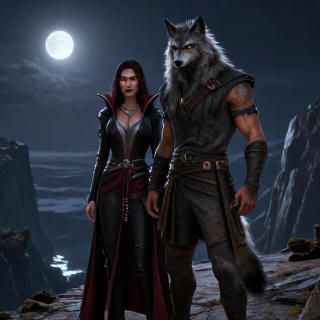
بخش اول: جنگلِ بیپرنده
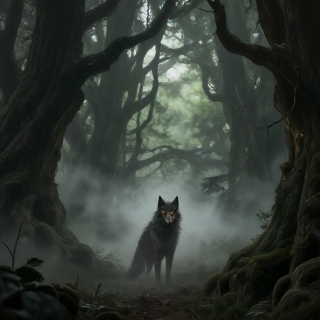
جنگلِ «زارِخُم» جایی بود که پرندگان در آن آواز نمیخواندند — نه از ترس، بلکه به احترام. درختانش آنقدر کهن بودند که ریشههایشان به دورانی میرسید پیش از آنکه نامی برای «نامها» انتخاب شود. مه همیشه از میان تنههای سیخسیخ بالا میآمد، مثل نفسهای خفتهی زمین.
آرمان در این جنگل خانه نداشت؛ او خودش جنگل را **داشت**. گرگینهای با موهای بهرنگ خاکستر و چشمانی بهرنگ کهربا که در تاریکی مثل دو شعلهی خاموششدهی تازه میدرخشیدند. صد سال و اندی بود که تنها زندگی میکرد — در برجی متروک بر فراز صخرهای به نام «صداکُش»، صخرهای که هرچه فریاد میزدی، صدا و غمت را با هم میبلعید.
نفرینش قدیمیترین نفرین دنیا بود. *«تا جفتِ روحت را نیابی، هیچکس کنارت نخواهد ماند.»* نه دستبند آهنین داشت، نه زنجیر — نفرینِ او این بود که **هرچه دوست میداشت، یادش میگرفت او را فراموش کند.**
او روزها گرگ میشد و شبها آدم. نه چون مجبور بود — چون در پوست گرگ، تنها بودن کمتر درد میکرد.
## بخش دوم: لحظهی سرخ
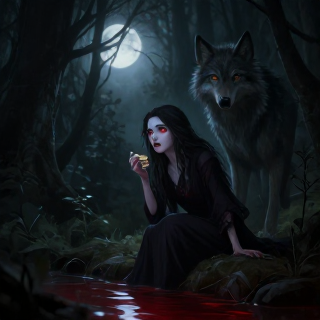
در شامگاهی که ماه مثل یک سکهی خیس میان ابرها افتاده بود، آرمان شکار میرفت. اما شکارِ آن شب، *او* را یافت.
کنار جویباری که آبهایش بوی شکوفهی خونآلود میداد، دختری نشسته بود. جوان، با پوستی بهرنگ ماهِ نو، و چشمانی **سرخ و براق** — چشمانی که در آنلحظه به یک سنجاب خیره بود، به بقایای کوچک و لرزانی که دیگر نمیلرزید.
او خون مینوشید. با وقاری. با ادبی. مثل کسی که خوردن خون برایش نه وحشت است، نه خشم — فقط *وعدهی غذاست*.
آرمان مات مانده بود. نه از ترس. از **یاد**.
آن قامت. آن شیوهی گرفتن سر شکار با دو دست. آن موها که هنگام تمایل به گوشهی لب، کنار صورتش میافتاد.
*«لیانا؟»* — نامی که سیصد سال بود کسی آن را با صدای بلند نگفته بود. نام همسرِ مردهاش. زنی که در محاصرهی «شهر خاکستر» از گرسنگی و خشم مرد، در حالی که آرمان برای نجاتش جنگیده بود و **شکست خورده بود.** در آن شب، آرمان به آسمان فحش داد. به هر خدایی که شاید گوشی داشت. جوابش را با نفرین گرفت: *«تنهایی، تنهایی، تنهایی — تا ابد، تا بازگشت.»*
دختر سرش را برگرداند. چشمان سرخش آرمان را دید. و صدای آسمان در گوش آرمان پیچید — مثل شکستنِ شیشهی خیلی ظریف:
*«...تا ابد.»*
او فرار کرد. آرمان هم. اما دلشان نه.
## بخش سوم: دخترِ خون
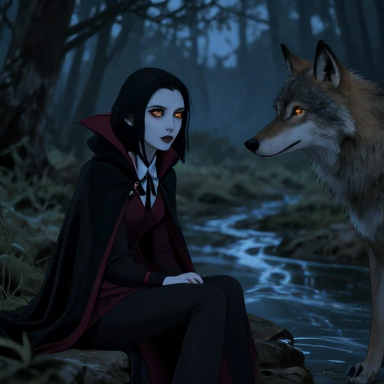
اسم دختر **سِروا** بود. خونآشامی از قبیلهی «شبتیره»، از نسلهایی که قرنها در تونلهای زیر شهر ممنوعه زندگی میکردند. قبیلهی گرگها و قبیلهی خون، دشمنان دیرینه بودند — کینهای به قدمت دو جنگ خانگی و یک معاهدهی شکسته.
برخوردشان ممنوع بود. نه قانونی — *خونی*.
اما سرِوا هم مشکلی داشت: او راندهشدهی قبیلهاش بود، چون از تولد نمیتوانست خون انسان بنوشد؛ استفراغ میکرد، ضعف میکرد. برای همین به خون **حیوانات** پناه برده بود — خونِ خام، خونِ بیروح. سنجاب، خرگوش، گاهی مرغ صحرایی. رژیمی که او را نصفهجان نگه میداشت ولی هیچوقت سیرش نمیکرد.
آرمان هر شب به جویبار برمیگشت. سرِوا هم. اول با فاصله. بعد با کلمات. بعد با سکوتهایی که بلندتر از حرف بودند.
- شبِ چهارم، آرمان یک سنجابِ خوشاندام شکار کرد و بیهیچ حرفی جلویش گذاشت.
- شبِ نهم، سرِوا پرسید: «چرا برمیگردی؟»
- آرمان گفت: «چون تو بازگشتی.»
- سرِوا نفهمید. آرمان توضیح نداد.
## بخش چهارم: نبردِ ناخواسته
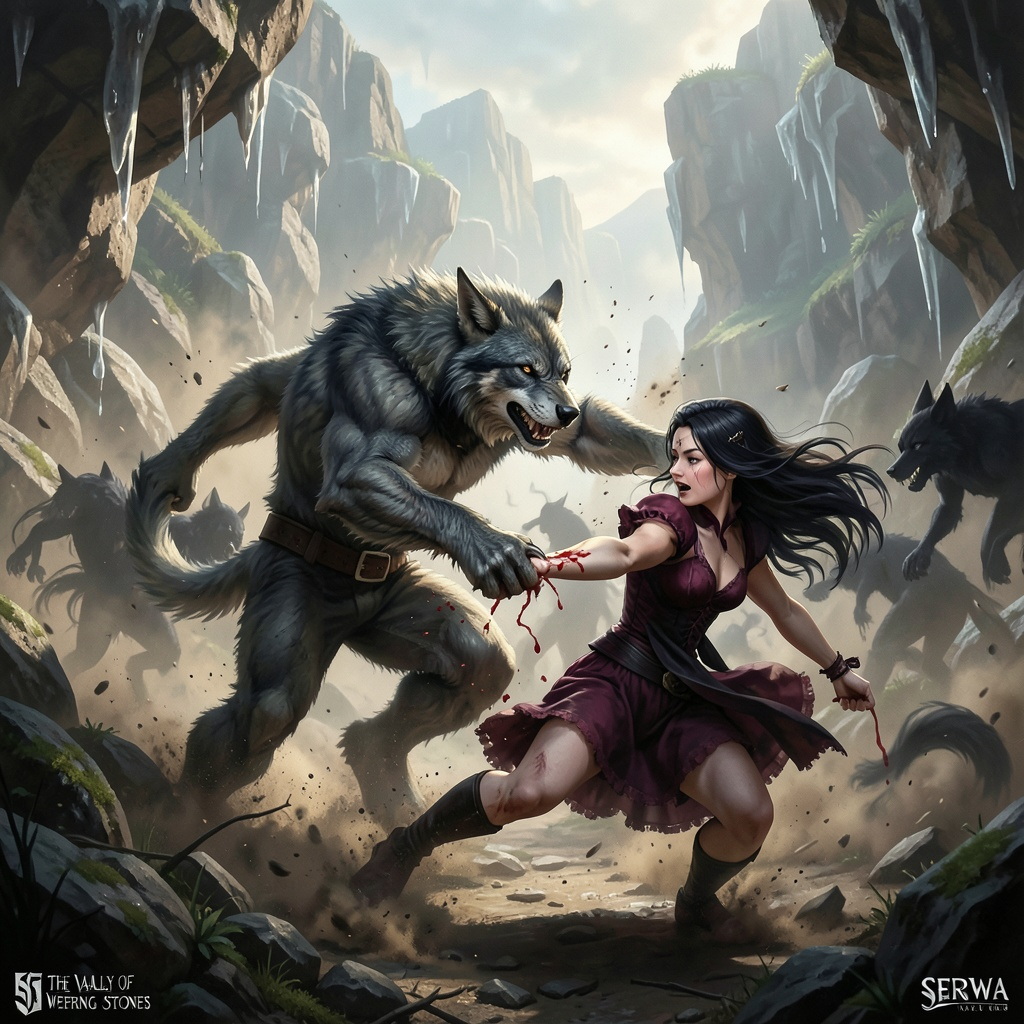
آن فاجعه در «درهی سنگهای گریان» افتاد — درهای که سنگهایش شکل قطرههای آویزان از صخره داشتند و بازتاب نورشان چون گریهی دائمی زمین مینمود.
گروهی از گرگهای «طایفهی زرد» به سرِوا حمله کردند. آرمان وارد شد — خشمگین، بیفکر، در قامت گرگِ تمامعیار. در وسط نبرد، با چنگِ پرتوانش ضربهای زد که باید به سینهی یک گرگِ زرد میرسید... اما سرِوا بین او و شکارچیاش دوید تا کمکش کند.
ناخنِ آرمان به بازوی سرِوا رسید. یک زخمِ کمعمق — اما خونِ سرِوا بوی باروت و شیر میداد و قبیلهی زرد بویش را «شناسایی» میکرد. یعنی اگر زخم میماند، دنبالش میآمدند تا شکارش کنند.
آرمان بدون فکر، سرِوا را بلند کرد و به سمت برجِ «صداکُش» شتافت. برجی که سیصد سال کسی جز خودش پایش را نگذاشته بود. برجی که آنقدر بالا رفتنهایش را شنیده بود، که دیوارهایش فرورفته بودند و سالنهایش با خاکسترِ خاطرات پوشیده شده بودند.
## بخش پنجم: خونِ مچ
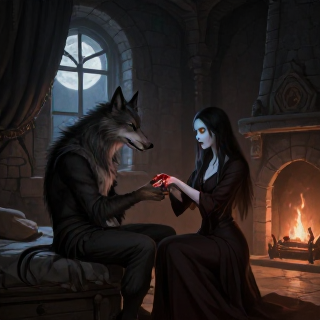
بر فراز برج، اتاقی بود که فقط یک تخت سنگی داشت، یک شومینه، و پنجرهای رو به ماه. آرمان سرِوا را روی سنگ نشاند. زخم بازویش را دید — خونِ رقیق و سرخ که بیوقفه میچکید.
میدانست خونِ حیوان کافی نیست. میدانست برای گرگینهها، خونِ خودشان **قانونی ممنوع** است — نوشیدنش خیانت به قبیله است، و حتی بدتر: با نوشیدنِ خونِ گرگینه، یک خونآشام به جفتِ خونی آن گرگینه «پیوند» میخورد. رابطهای که در هر دو تمدن، مرگ دارد.
اما سرِوا داشت رنگ میباخت.
آرمان سنجاقِ آستینش را کشید. مچش را تیز کرد. یک برشِ ظریف و تمیز داد.
- «نوش.»
- «هرگز.»
- «تو داری میمیری.»
- «من سالهاست که میمیرم، فقط آرام.»
- «من آرامتر از تو نمیتوانم ببینم.»
سرِوا چشمانش را بست. آرمان مچش را جلوی لبش گرفت — ناچار. اول یک قطره. بعد یک دهانه. بعد گرسنگیِ سیصدسالهی او از خواب بیدار شد و اشتهایش مثل آتش در جنگل زد.
بعدش همه چیز سریع شد. زخم سرِوا در چند دقیقه بسته شد. رنگ صورتش برگشت. اما یک چیز دیگر هم اتفاق افتاد — چشمان سرِوا دوباره باز شد، و این بار به رنگ **کهربایی** بود، نه سرخ.
*پیوند.*
و در همان لحظه، آرمان چیزی حس کرد که سیصد سال انتظارش را میکشید و به آن اعتقاد نداشت: **گرمی.** گرمای انسانی، گرمای دیگری در کنار خودش. نفرینِ «تنهایی» با صدایی که مثل شکستنِ یخ بود، از میان استخوانهای آرمان ترکید و به خاک نشست.
سکوت. سکوتی که پر بود، نه خالی.
سرِوا زیر لب گفت: «تو... دیگر تنها نیستی.»
آرمان گفت: «من تازه فهمیدم این جمله یعنی چه.»
## بخش ششم: جنجال — که دو دنیا را تکان داد
### ۱. قبیلهی گرگها
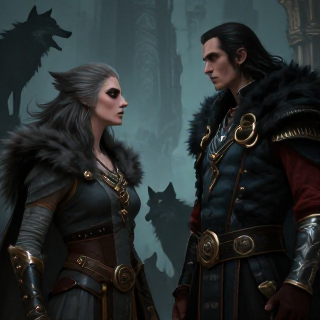
طایفهی «زرد» که بوی خون سرِوا را در دره شنیده بود، به سمت جنگل زارِخُم آمد. رئیس قبیله، **گورگینِ کُر**، زنی کهنسال با یک چشمِ بسته و یک چشمِ تمامبین، اعلام کرد:
«آرمان، به جرم پیوندِ خونی با دشمن، طرد و شکار میشود.»
اما گورگین یک راز داشت: خودش صد سال پیش، خونِ یک خونآشام را چشیده بود و پیوندش را قطع کرده بود با مرگِ او. او آرمان را محکوم میکرد، چون در آرمان، *خودِ جوانش را میدید.*
### ۲. قبیلهی خونآشامان
قبیلهی شبتیره فهمیدند سرِوا زنده مانده، و نه فقط زنده — **شکوفا**. برای اولین بار در عمرش، سرِوا بدون استفراغ، بدون ضعف، خون نوشیده بود. خونی که برایشان «ناپاک» بود، ولی در بدن سرِوا معجزه کرده بود.
**لُرد واهیک**، رهبر قبیله، اعلام کرد سرِوا باید به «خوابگاهِ سنگی» بازگردانده شود و پیوند خونیاش با «کرمِ گرگ» (تحقیرشان برای گرگینهها) بشکند. یعنی: سرِوا را جدا کنند، تا نمیرد.
یعنی: سرِوا را بکشند.
### ۳. گورگین و واهیک با هم
دو دشمنِ دیرینه — گورگینِ گرگ و واهیکِ خون — برای بار اول در تاریخ، **توافق** کردند: سرِوا و آرمان باید جداشوند. اما به بهانههای مختلف. گورگین به دلیل «حفظ اصالت نژاد» و واهیک به دلیل «رستگاری خون». هر دو گفتند به نامِ حفظِ *سنت*.
و این دقیقاً کاری بود که سرِوا و آرمان را کنار هم نگه داشت — **دو دنیا که علیهشان بودند، آنها را به هم چسباند.**
## بخش هفتم: درهی دو ماه
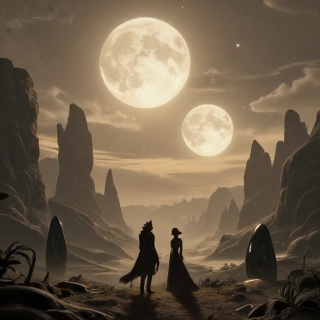
آرمان و سرِوا به «درهی دو ماه» گریختند — درهای که فقط در شبهای ماهِ دوگانه دیده میشد، جایی که نورِ دو ماهِ آسمان با هم برخورد میکرد و دره را روشن میکرد به رنگِ طلاییِ خاکسترِ هنوز داغ. جایی که هیچ قبیلهای حقِ ورود نداشت، چون باور داشتند خدایان در آنجا پرسه میزنند.
و آنجا، در شبِ ماهِ دوگانه، سرِوا از آرمان پرسید: «تو دین نداری، نه؟»
آرمان جواب داد: «داشتم. سیصد سال پیش، خدایان به من ثابت کردند که خدایی نیست.»
سرِوا گفت: «اما تو داری من را نجات میدهی. اگر خدایی نبود، چرا من همینجا، در درهای که خدایانش پرسه میزنند، تو را پیدا کردم؟»
آرمان سکوت کرد. برای اولین بار در سیصد سال، سکوتش *خالی* نبود.
## بخش هشتم: جنگِ دو تمدن
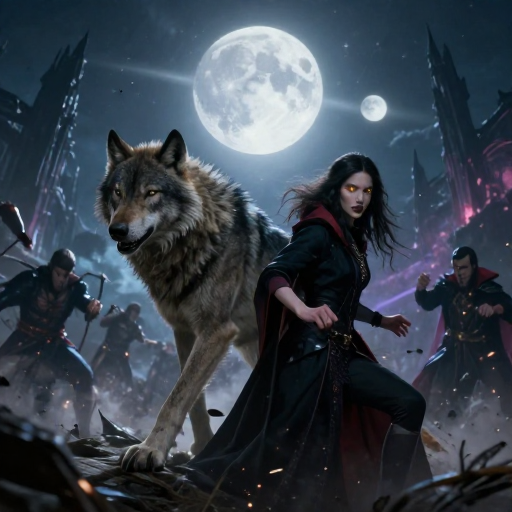
قبیلهی زرد و قبیلهی شبتیره به درهی دو ماه آمدند — هر دو با سلاح، هر دو با خشم، هر دو با ترسِ ناشناخته. نبردی شروع شد که تاریخ دو تمدن آن را **«جنگِ خونِ مشترک»** نامید.
آرمان در گرگچهرهی تمامقدش ایستاد. سرِوا در پسِ او، با چشمانِ کهربایی، با مچِ بریدهی آرمان که هنوز اثرش روی لبهایش بود.
گورگین فریاد زد: «آرمان! تو به قبیله خیانت کردی!»
آرمان جواب داد: «نه. من به سیصد سال تنهایی خیانت کردم. فرقش را بفهم.»
واهیک گفت: «سرِوا! تو به خونِ خودت خیانت کردی!»
سرِوا جواب داد: «من به خونِ خودم برگشتم. سیصد سال خونِ حیوان نوشیدم. من از هر دو دنیا بیشتر سرگردان بودم تا فرقتان.»
نبرد شروع شد. خون، غبار، نورِ ماهِ دوگانه.
اما درست وقتی که هر دو سمت آمادهی کشتنِ یکدیگر بودند، **چیزی از دلِ دره بلند شد.** صدایی نه از دهان، نه از فکر — بلکه از **خودِ نورِ ماهِ دوگانه**:
*«تنهایی، تنهایی، تنهایی — تا بازگشت. نفرین شکست، پسرِ من. و برای اولین بار، دو گونهی دشمن، یک پیوند ساختند. بروید. جنگ را بگذارید. تنهایی، تنها چیزی بود که من از شما خواستم نکنید.»*
خدایی که آرمان سیصد سال انکارش کرده بود، نه با خشم — با **خستگی** — بر او آشکار شد.
گورگین اولین کسی بود که سلاحش را انداخت. بعد واهیک. بعد جنگ.
## بخش نهم: پایانِ مُهرشده
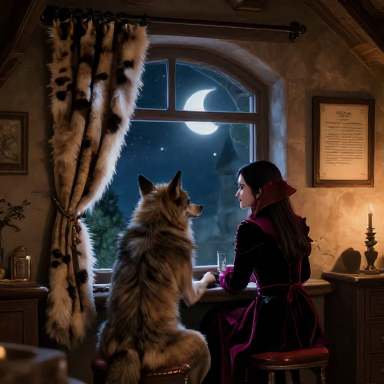
دو سال بعد، برجِ «صداکُش» دیگر برج نبود. خانه بود.
- روی پنجرهاش پردهی خاکستریای آویزان بود که سرِوا دوخته بود (از پوستِ سنجابِ صیدشده، با لبههای گلدوزیشده به شکل ماه).
- در سالن اصلی، تابلویی بود که گورگین و واهیک با هم امضا کرده بودند — *«معاهدهی خونِ مشترک»*، پایانِ دو جنگِ خانگی، شروعِ یک صلحِ شکننده اما واقعی.
- و روی سکوی سنگی، دو صندلی کنار هم بود. یکی بزرگ، خاکستری، با چشمانِ کهربایی. دیگری کوچکتر، پوستِ مهتابی، با لبهایی که هنوز خونِ گرمِ یک گرگینه را به یاد داشت.
هر شب، ماه میآمد. دو نفر پشتِ پنجره مینشستند. یکی به دیگری میگفت: «تنهاییات را چه کردی؟»
و دیگری جواب میداد: «دادمش به کسی که دیگری داشت.»
و دره از دور، آرام بود — نه ساکت، **آرام.** مثل چیزی که خیلی وقت است دیگر لازم نیست فرار کند.
**پایان.** 🌕🩸
(ترجمه شده از...)
## Part 1: The Birdless Forest
The forest of "Zarkhom" was a place where birds did not sing—not from fear, but out of respect. Its trees were so ancient their roots reached back to a time before names were even given to "things." Mist always rose from their gnarled trunks, like the sleeping breaths of the earth.
Arman did not have a home in this forest; he **was** the forest. A werewolf with hair the color of ash and eyes like amber, which glowed like newly extinguished embers in the dark. He had lived alone for over a hundred years—in a desolate tower perched atop a cliff called "Sound-Eater," a cliff that swallowed every scream, every sorrow you threw at it.
His curse was the oldest in the world. *"Until you find your soulmate, no one shall stay by your side."* He wore no iron shackles, no chains—his curse was that **everything he loved would learn to forget him.**
He would become a wolf by day and a man by night. Not because he had to—because being a wolf made loneliness hurt less.
## Part 2: The Crimson Moment
On an evening when the moon lay like a wet coin between the clouds, Arman went hunting. But that night's prey found **him**.
Beside a stream whose waters smelled of bruised blossoms, a girl sat. Young, with skin the color of the new moon, and **red, luminous eyes**—eyes fixed on a squirrel, on its small, trembling remains that no longer trembled.
She was drinking blood. With grace. With decorum. As if drinking blood were not a horror, nor a rage—just **a meal.**
Arman froze. Not in fear. In **memory.**
That posture. The way she held the prey with two hands. Those strands of hair that fell by her cheek when she tilted her head.
*"Lyana?"*—a name no one had spoken aloud in three hundred years. The name of his dead wife. A woman who had perished from hunger and rage in the siege of "Ash City," while Arman fought to save her and **failed.** That night, Arman cursed the heavens. Cursed any god who might be listening. His answer came with a curse: *"Loneliness, loneliness, loneliness—forever, until your return."*
The girl turned her head. Her red eyes met Arman's. And the voice of the sky echoed in Arman's ears—like the shattering of very delicate glass:
*"...Forever."*
He fled. Arman fled too. But their hearts did not.
## Part 3: The Blood Drinker
The girl's name was **Serwa**. A vampire from the "Shadow-Tribe," from lineages that had lived for centuries in tunnels beneath the forbidden city. The werewolf tribe and the vampire tribe were ancient enemies—a feud as old as two civil wars and a broken treaty.
Their encounters were forbidden. Not by law—by **blood.**
But Serwa had a problem of her own: she was an outcast from her tribe, unable to drink human blood since birth; it made her sick, weak. So she had resorted to **animal blood**—raw, soulless blood. Squirrel, rabbit, sometimes a moorhen. A diet that kept her half-alive but never satiated.
Arman returned to the stream every night. So did Serwa. First from a distance. Then with words. Then with silences louder than speech.
- On the fourth night, Arman hunted a plump squirrel and placed it before her without a word.
- On the ninth night, Serwa asked, "Why do you keep coming back?"
- Arman replied, "Because you returned."
- Serwa didn't understand. Arman didn't explain.
## Part 4: The Unintentional Battle
The tragedy occurred in the "Valley of Weeping Stones"—a valley where the rocks were shaped like hanging droplets from the cliffs, and their light-reflections resembled the earth's perpetual tears.
A group of "Yellow-Tribe" wolves attacked Serwa. Arman intervened—furious, thoughtless, in his full werewolf form. In the midst of the battle, with his powerful claw, he struck a blow meant for the chest of a yellow wolf... but Serwa darted between him and her attacker to help.
Arman's claw grazed Serwa's arm. A shallow wound—but Serwa's blood smelled of gunpowder and milk, and the Yellow Tribe could "identify" the scent. It meant if the wound remained, they would hunt her down.
Without thinking, Arman lifted Serwa and sprinted towards the "Sound-Eater" tower. A tower no one but him had set foot in for three hundred years. A tower whose many ascents had been heard so much, its walls had caved in, and its halls were covered in the ash of memories.
## Part 5: The Blood of the Wrist
At the tower's peak was a room with only a stone bed, a fireplace, and a window facing the moon. Arman sat Serwa on the stone. He saw her wounded arm—thin, red blood incessantly dripping.
He knew animal blood wouldn't suffice. He knew for werewolves, their own blood was **forbidden by law**—drinking it was betrayal of the pack, and worse: by drinking werewolf blood, a vampire would be "bonded" to that werewolf's mate. A connection that meant death in both civilizations.
But Serwa was fading.
Arman pulled the cufflink from his sleeve. He sharpened his wrist. A delicate, clean cut.
- "Drink."
- "Never."
- "You're dying."
- "I've been dying for years, just quietly."
- "I can't watch more quietly than this."
Serwa closed her eyes. Arman held his wrist to her lips—unwillingly. First a drop. Then a stream. Then her three-hundred-year dormant hunger awoke, and her appetite flared like a wildfire in the forest.
Then everything happened quickly. Serwa's wound closed within minutes. Color returned to her face. But something else happened too—Serwa's eyes opened again, and this time they were **amber**, not red.
*The bond.*
And at that moment, Arman felt what he had waited for, and disbelieved in, for three hundred years: **warmth.** Human warmth, another's warmth beside his own. The curse of "loneliness" shattered from Arman's bones with a sound like breaking ice and crumbled to dust.
Silence. A silence that was full, not empty.
Serwa murmured, "You... are not alone anymore."
Arman replied, "I just learned what that sentence means."
## Part 6: The Scandal—That Shook Two Worlds
### 1. The Werewolf Tribe
The "Yellow Tribe," having scented Serwa's blood in the valley, descended upon Zarkhom forest. Their leader, **Gorgin the Cripple**, an ancient woman with one blind eye and one all-seeing eye, declared:
"Arman, for bonding with the enemy, is to be exiled and hunted."
But Gorgin had a secret: she herself had tasted vampire blood a century ago and severed the bond with death. She condemned Arman because in him, she saw **her own youth.**
### 2. The Vampire Tribe
The Shadow-Tribe learned Serwa had survived, and not just survived—**thrived.** For the first time in her life, Serwa had drunk blood without vomiting, without weakness. Blood that was "impure" to them, but had worked miracles in Serwa's body.
**Lord Vahik**, the tribe's leader, declared Serwa must be returned to the "Stone Dormitory" and her blood-bond with the "Wolf Worm" (their insult to werewolves) broken. Meaning: Serwa would be separated, lest she die.
Meaning: Serwa would be killed.
### 3. Gorgin and Vahik Unite
Two ancient enemies—Gorgin the wolf and Vahik the vampire—for the first time in history, **agreed**: Serwa and Arman must be separated. But for different reasons. Gorgin cited "preserving racial purity," and Vahik cited "redemption of blood." Both claimed it was in the name of preserving **tradition.**
And this was precisely what kept Serwa and Arman together—**two worlds against them, bonding them.**
## Part 7: The Valley of Two Moons
Arman and Serwa fled to the "Valley of Two Moons"—a valley only visible on nights of the twin moons, where the light of the two celestial moons converged, illuminating the valley in a golden hue of still-hot ash. A place no tribe dared enter, believing the gods wandered there.
And there, on the night of the twin moons, Serwa asked Arman, "You don't have faith, do you?"
Arman replied, "I did. Three hundred years ago, the gods proved to me there were no gods."
Serwa said, "But you are saving me. If there were no gods, why did I find you here, in a valley where gods wander?"
Arman fell silent. For the first time in three hundred years, his silence was not *empty*.
## Part 8: The War of Two Civilizations
The Yellow Tribe and the Shadow Tribe descended upon the Valley of Two Moons—both armed, both enraged, both filled with primal fear. A battle began that the history of two civilizations would name **"The War of Shared Blood."**
Arman stood in his full wolf form. Serwa behind him, with her amber eyes, the scar on her wrist from Arman still on her lips.
Gorgin shouted, "Arman! You betrayed your tribe!"
Arman replied, "No. I betrayed three hundred years of loneliness. Understand the difference.
Vahik said, "Serwa! You betrayed your own blood!"
Serwa replied, "I returned to my own blood. I drank animal blood for three centuries. I was more lost than either of your worlds."
The battle commenced. Blood, dust, the light of the twin moons.
But just as both sides prepared to kill each other, **something rose from the heart of the valley.** A voice not from a mouth, not from a mind—but from **the light of the twin moons itself:**
*"Loneliness, loneliness, loneliness—until your return. The curse is broken, my son. And for the first time, two enemy species have forged one bond. Go. Leave the war. Loneliness was the only thing I asked you not to embrace."*
The god Arman had denied for three hundred years appeared to him, not with anger—but with **weariness.**
Gorgin was the first to drop her weapon. Then Vahik. Then the war.
## Part 9: The Sealed Ending
Two years later, the "Sound-Eater" tower was no longer a tower. It was a home.
- On its window hung a gray curtain Serwa had sewn (from the pelt of a hunted squirrel, with edges embroidered in the shape of moons).
- In the main hall, hung a tapestry that Gorgin and Vahik had signed together—*"The Pact of Shared Blood"*, the end of two civil wars, the beginning of a fragile but real peace.
- And on the stone platform, two chairs sat side-by-side. One large, grey, with amber eyes. The other smaller, moon-pale skin, with lips that still remembered the warm blood of a werewolf.
Every night, the moon would rise. Two figures would sit by the window. One would ask the other, "What did you do with your loneliness?"
And the other would reply, "I gave it to someone who had another's."
And the valley from afar was peaceful—not silent, **peaceful.** Like something that no longer needed to flee.
**The End.** 🌕🩸
اگر نفرین شکسته نمیشد چه اتفاقی میافتاد؟!