Fire prevention is a critical component of safety protocols in industrial, commercial, and residential environments. One of the most vital technologies in early fire detection is the flame detector. In this article, we will delve into how flame detectors work and their significance in fire prevention strategies. These devices play an integral role in ensuring early detection, reducing property damage, and most importantly, saving lives.
What Are Flame Detectors?
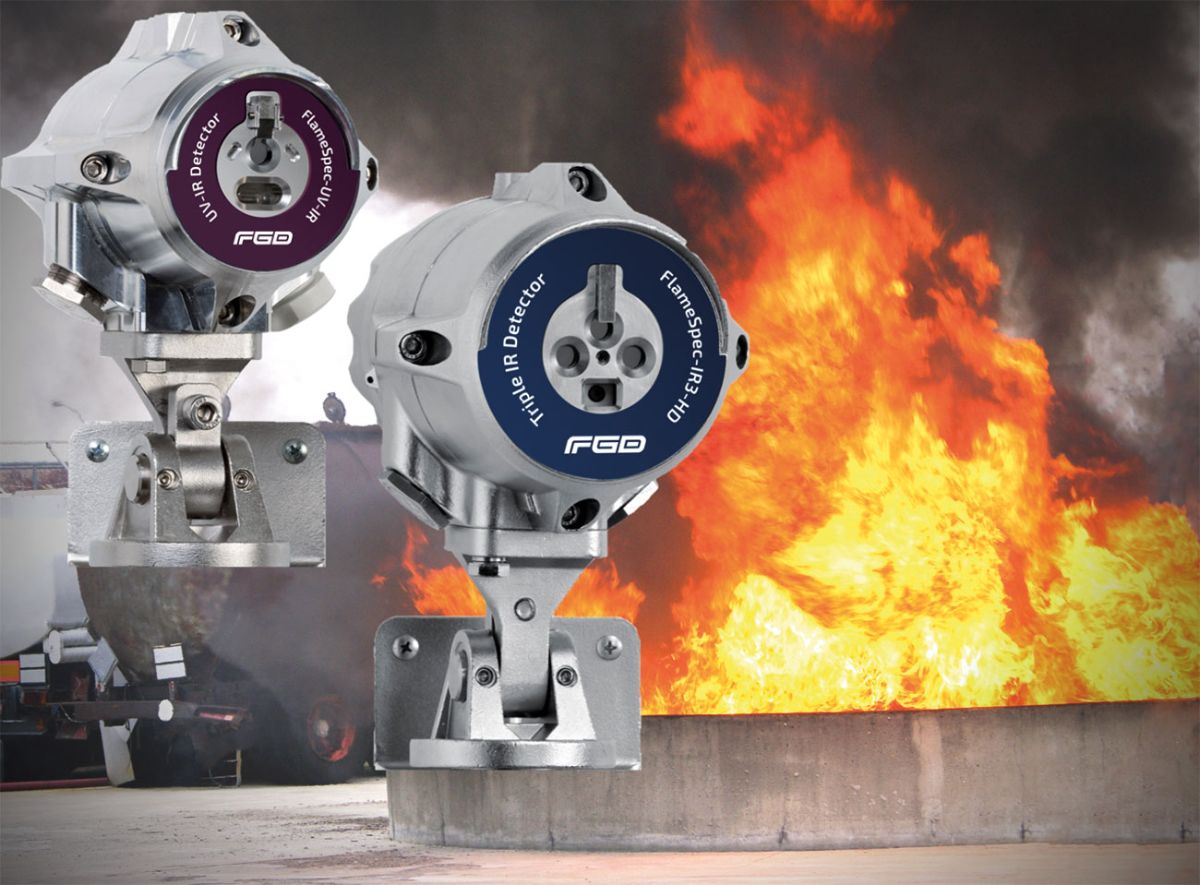
Flame detectors are specialized sensors that detect the presence of fire or flame through the specific wavelength of light emitted by the fire. They are part of a broader fire detection system, often working in conjunction with other fire safety devices like smoke detectors, heat detectors, and sprinkler systems.
Flame detectors are particularly effective in high-risk environments such as power plants, chemical plants, oil refineries, and other industrial settings where a fire can escalate quickly. The rapid response of these detectors is crucial to minimize the potential damage.
How Do Flame Detectors Work?
Flame detectors operate by sensing the ultraviolet (UV), infrared (IR), or visible light emitted by a flame. Different types of flame detectors are designed to detect specific kinds of fires, such as hydrocarbon or non-hydrocarbon fires.
Types of Flame Detectors:
Significance of Flame Detectors in Fire Prevention
Flame detectors are crucialfor fire prevention because they provide an early warning system. Detecting a fire in its initial stages can significantly reduce the response time, which is often the difference between minor damage and catastrophic loss. Here’s why flame detectors are essential:
1. Early Detection Saves Lives:
The earlier a fire is detected, the more quickly emergency response teams can act. Flame detectors excel in detecting flames before they become large enough to spread uncontrollably, giving individuals and safety systems the time needed to evacuate or extinguish the fire.
2. Preventing Damage to Equipment and Property:
Fires can cause irreparable damage to industrial machinery, buildings, and valuable assets. Flame detectors, especially in high-risk environments like chemical plants and oil refineries, provide the necessary early warning to shut down equipment and trigger fire suppression systems before the fire can cause extensive damage.
3. Integration with Fire Suppression Systems:
Modern flame detectors can be integrated into automatic fire suppression systems, such as sprinklers or foam dispensers. Once a flame is detected, the system activates and works to contain or extinguish the fire. This automatic response is crucial in situations where human intervention may be delayed or impossible.
4. Minimizing False Alarms:
Traditional fire detection systems, like smoke or heat detectors, can sometimes trigger false alarms due to dust, steam, or other environmental factors. Flame detectors, especially UV/IR and multi-spectrum IR detectors, are designed to differentiate between real flames and environmental noise, reducing the risk of false alarms. This ensures that emergency responses are only triggered when necessary.
5. Adapting to Varied Environments:
Flame detectors are designed to operate in diverse settings, from clean rooms to hazardous industrial zones. Their adaptability means they can be installed in environments where other types of fire detection systems might struggle. For example, in environments where dust or smoke may be prevalent but not indicative of a fire, a flame detector offers a more reliable solution for fire prevention.

Choosing the Right Flame Detector
Selecting the right flame detector depends on the specific needs of the environment. Factors such as the type of fire hazards present, ambient temperature, and potential sources of false alarms all play a role in determining the most effective flame detector for a particular application.
Maintenance and Testing of Flame Detectors
Flame detectors require regular maintenance to ensure optimal performance. Routine testing should be conducted to verify that the detector is functioning correctly and that it will trigger an alarm in the event of a fire.
Conclusion
Flame detectors are a key component of modern fire prevention strategies, especially in environments where fires can start and spread rapidly. Their ability to detect flames at an early stage helps to mitigate risks, protect assets, and most importantly, save lives. By choosing the right type of flame detector for your environment and ensuring regular maintenance, you can enhance the effectiveness of your fire prevention systems.