February 16, 2021 – 19:55
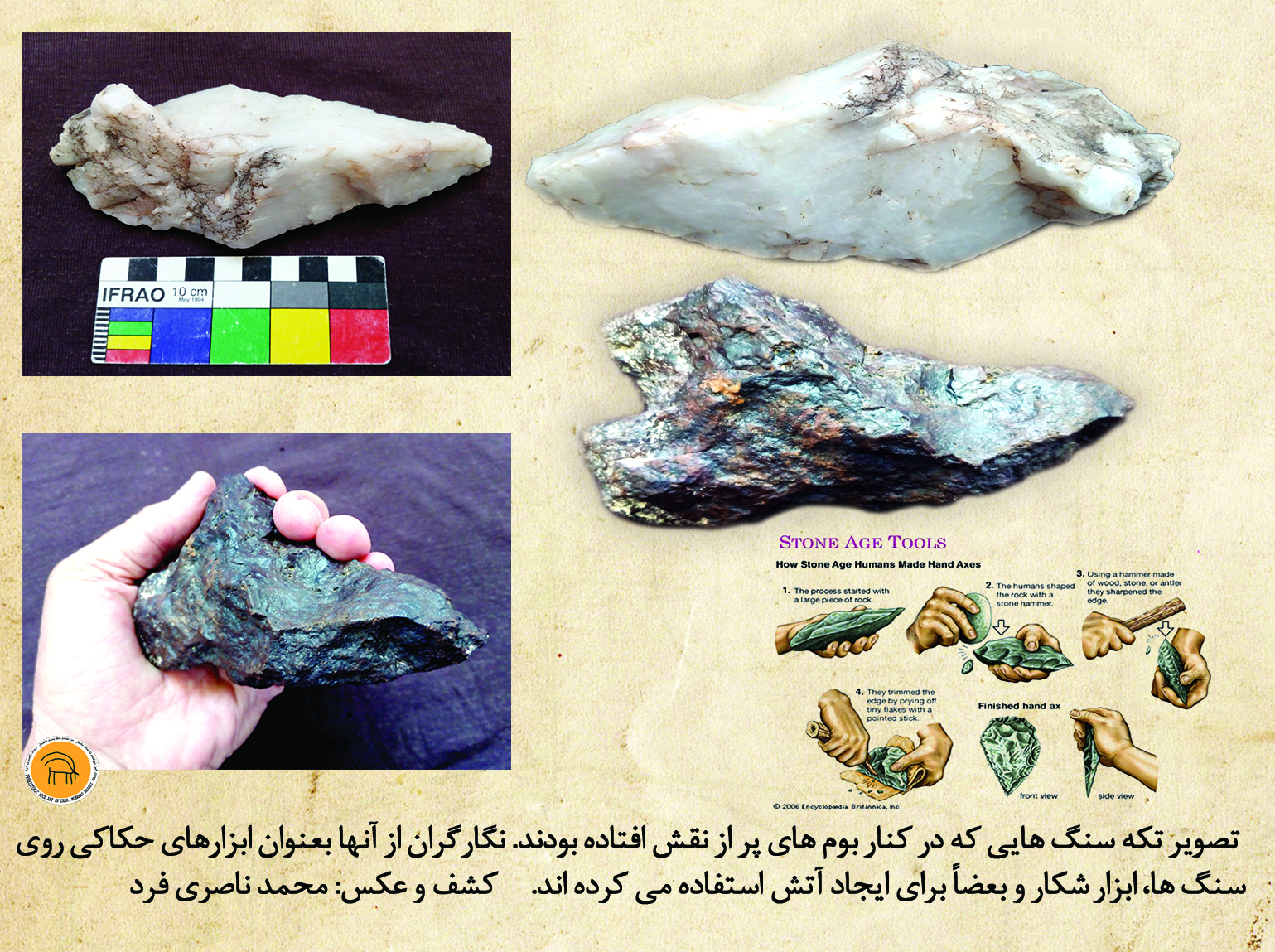
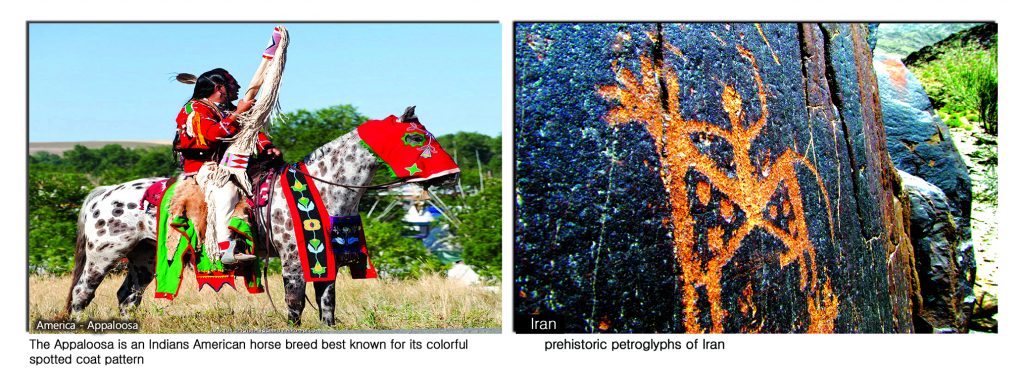
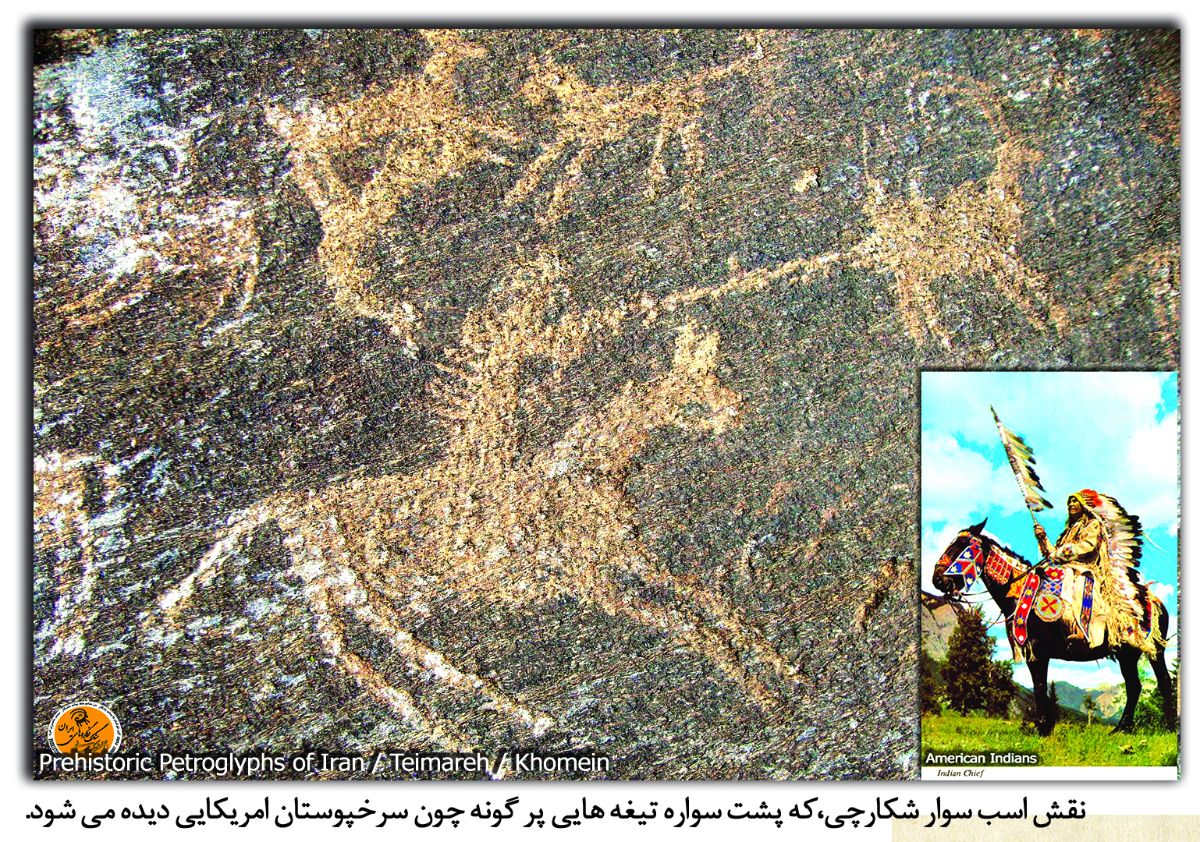
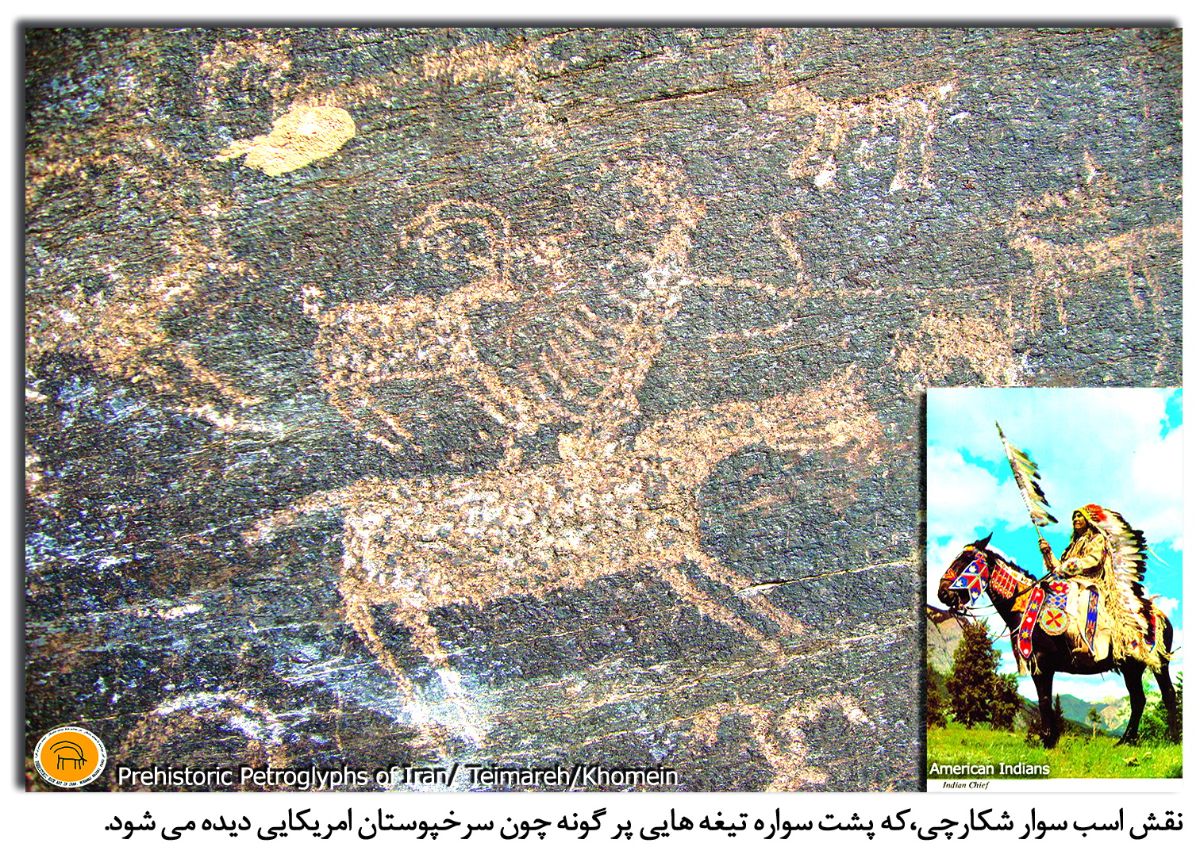
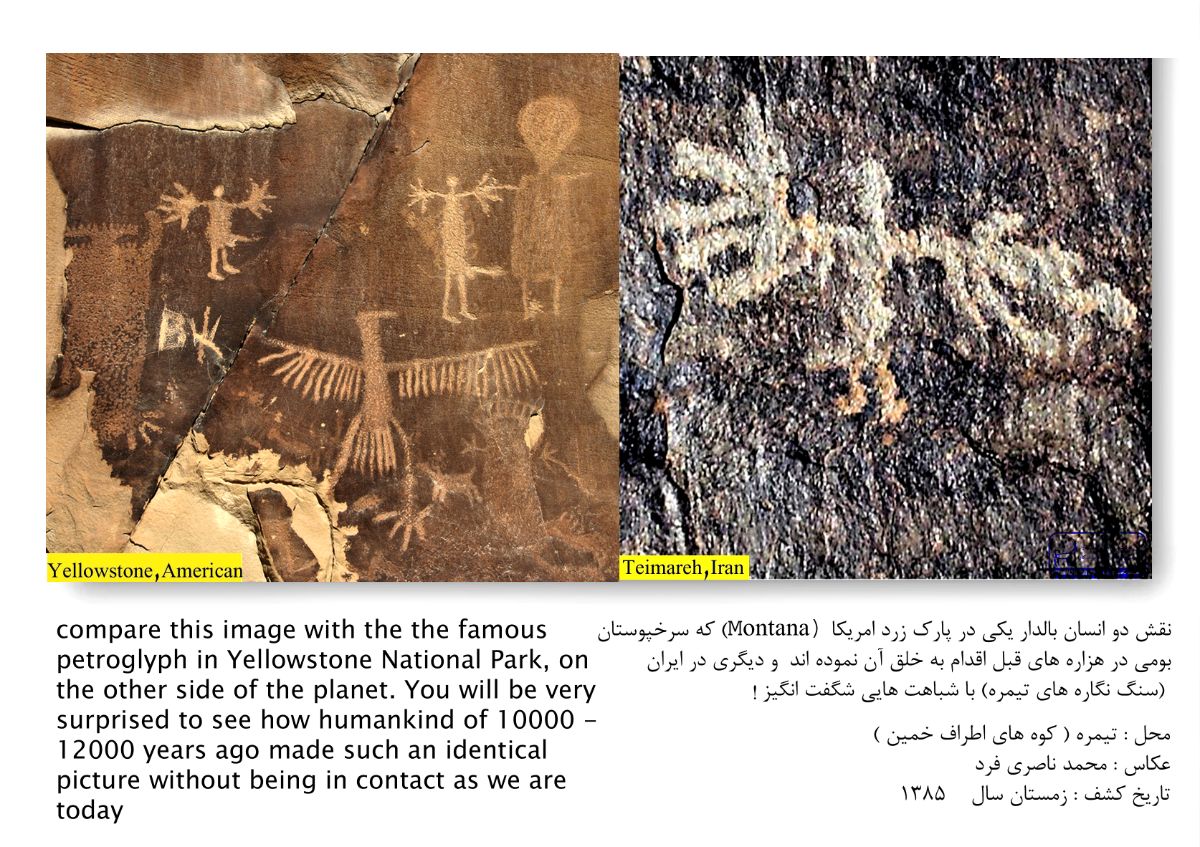
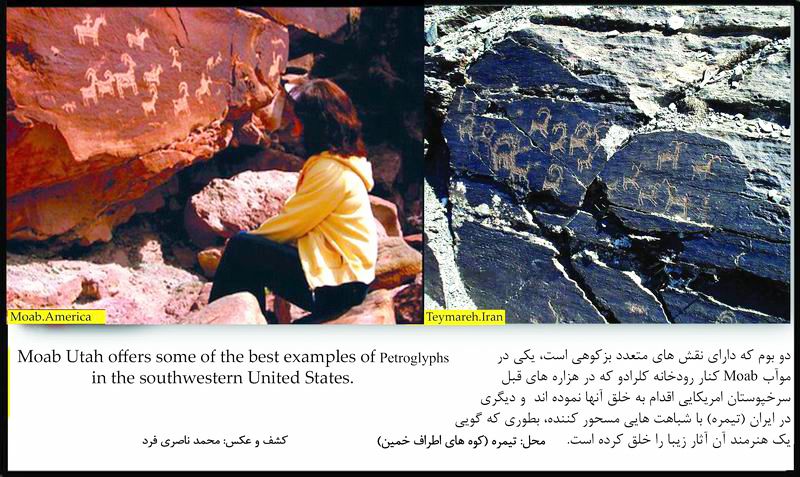
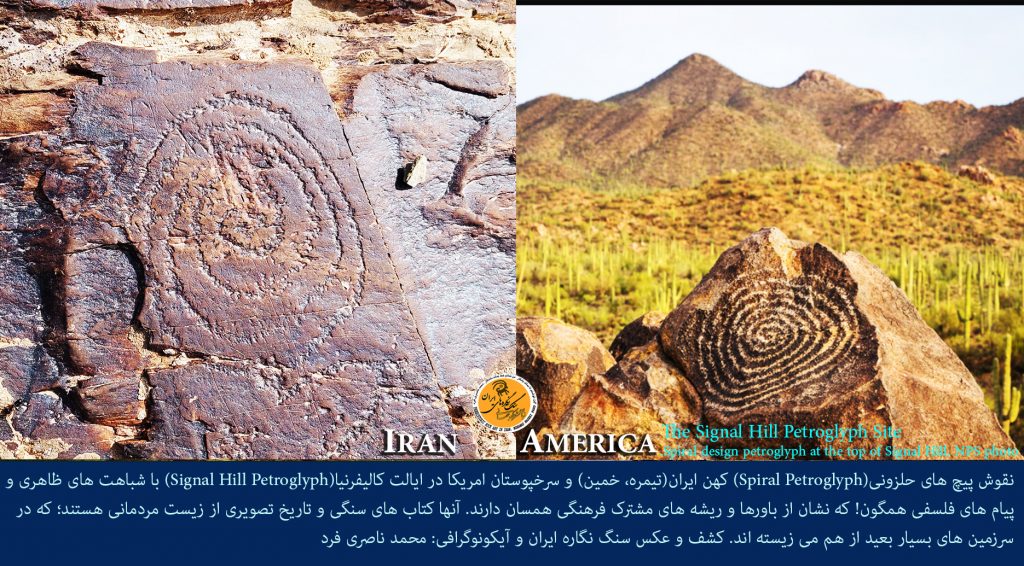
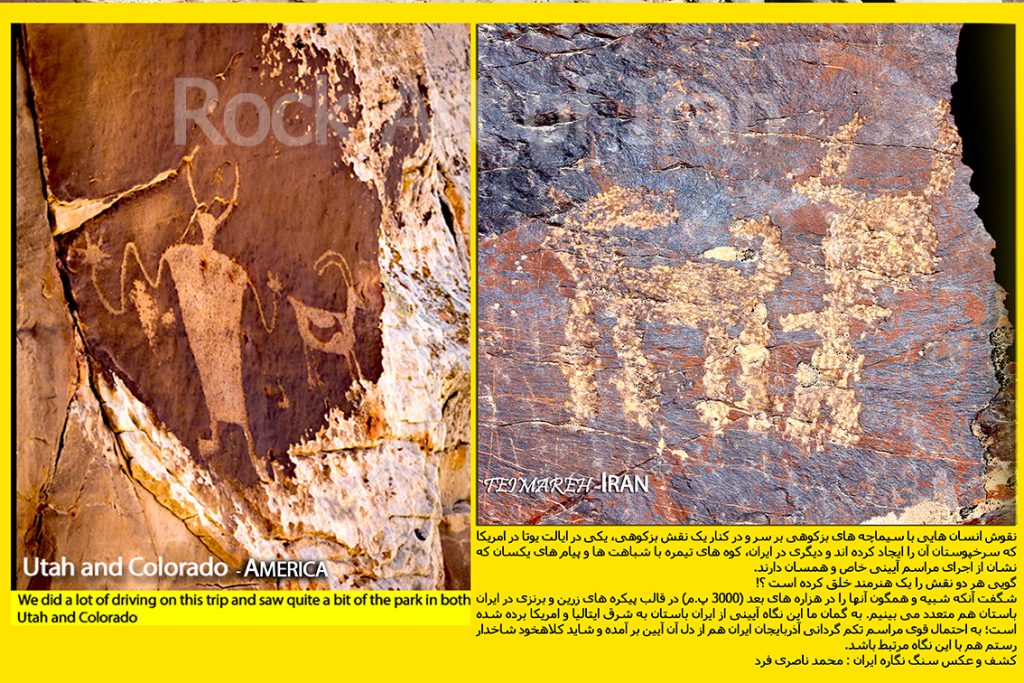
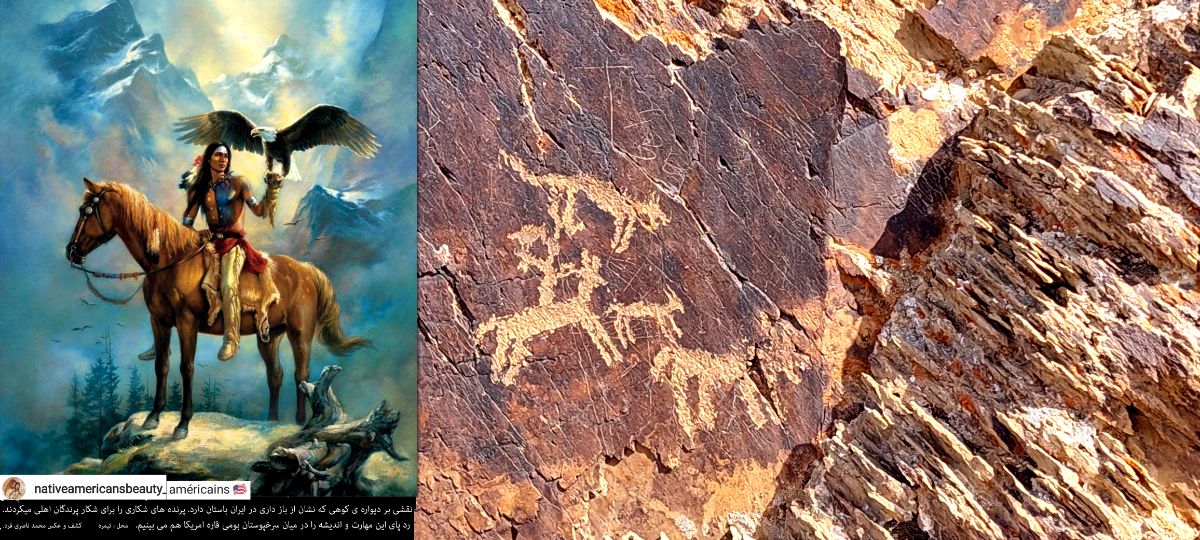
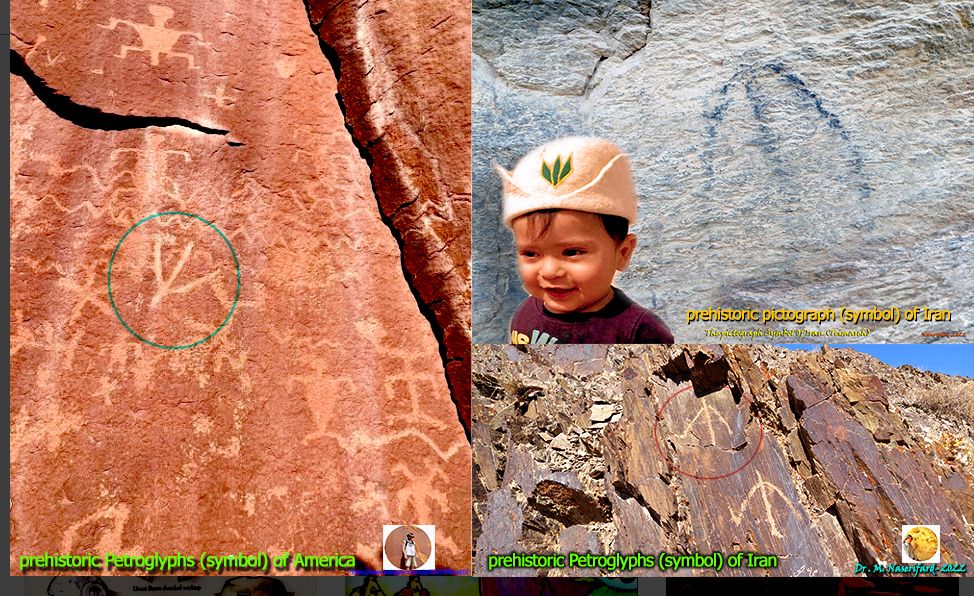
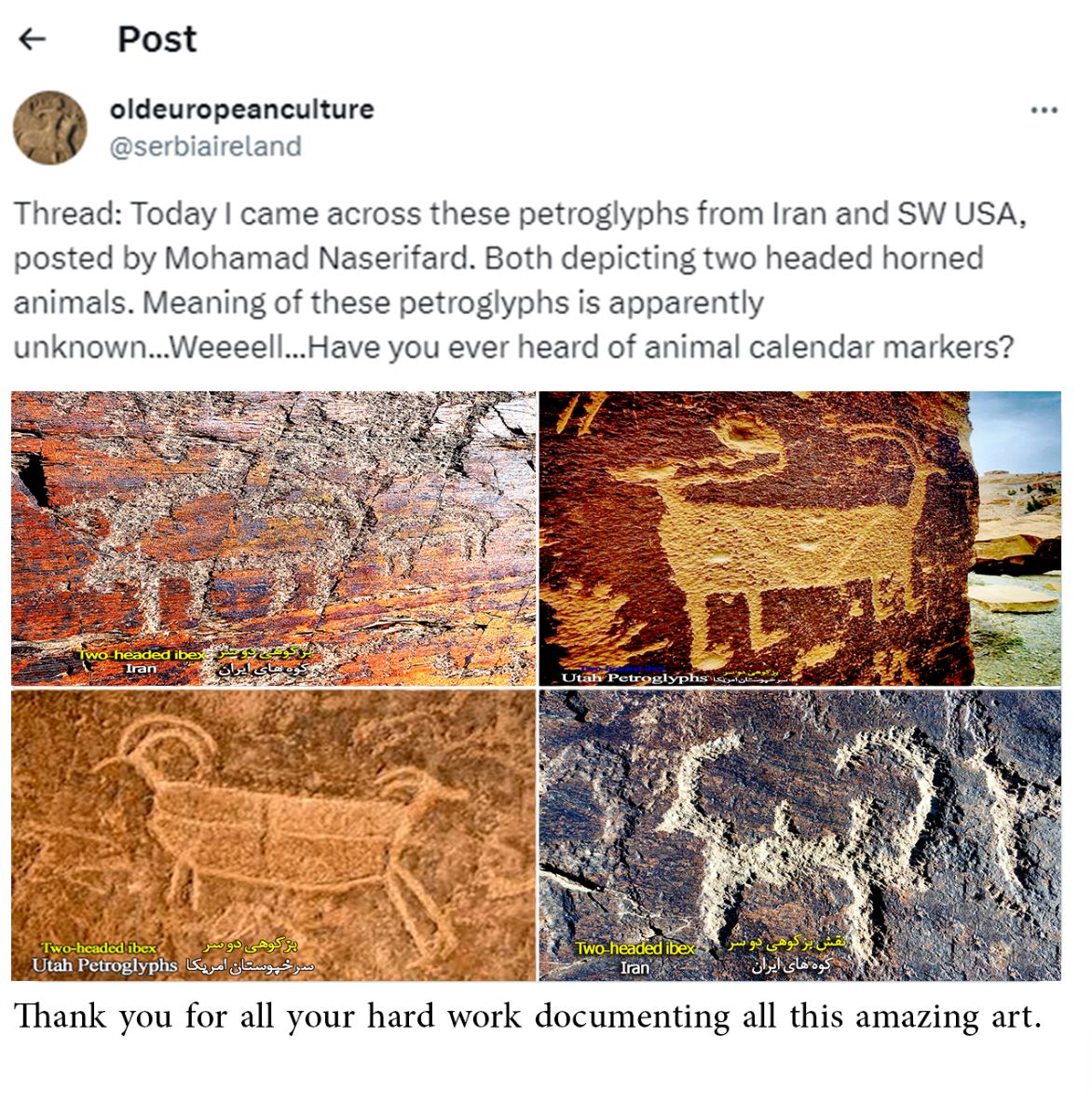
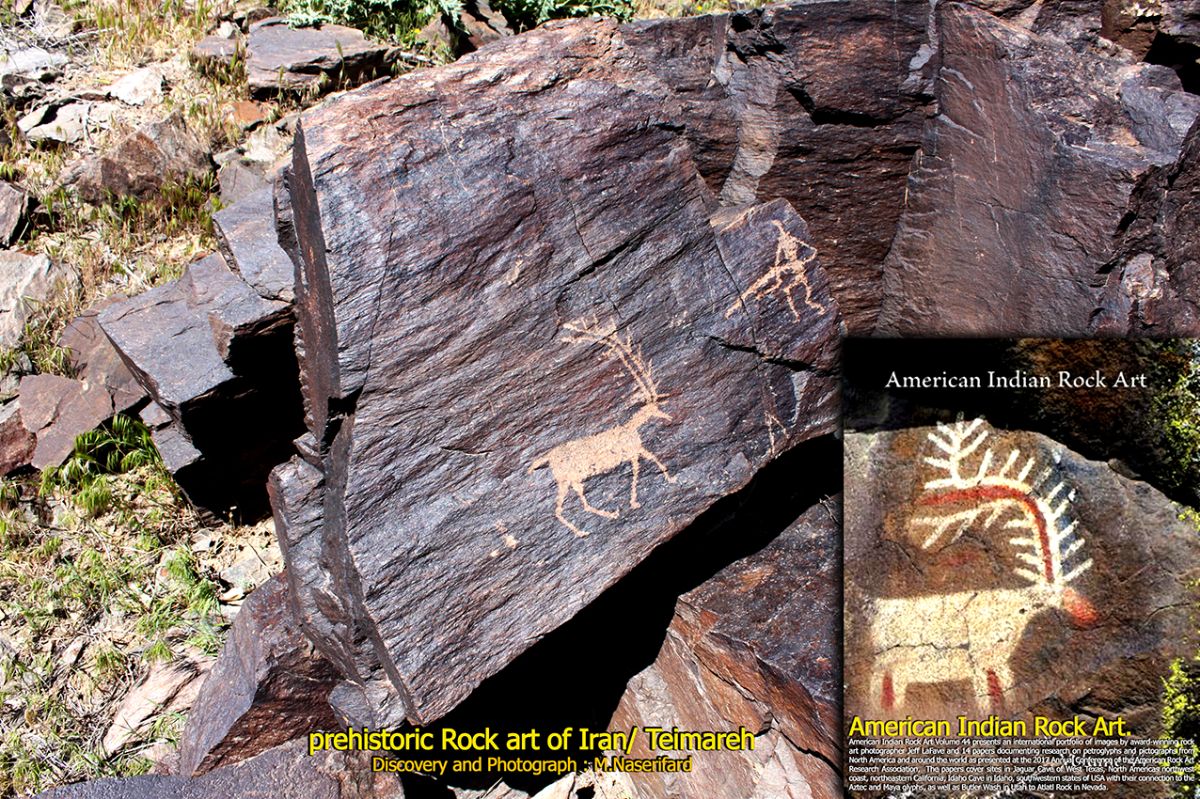
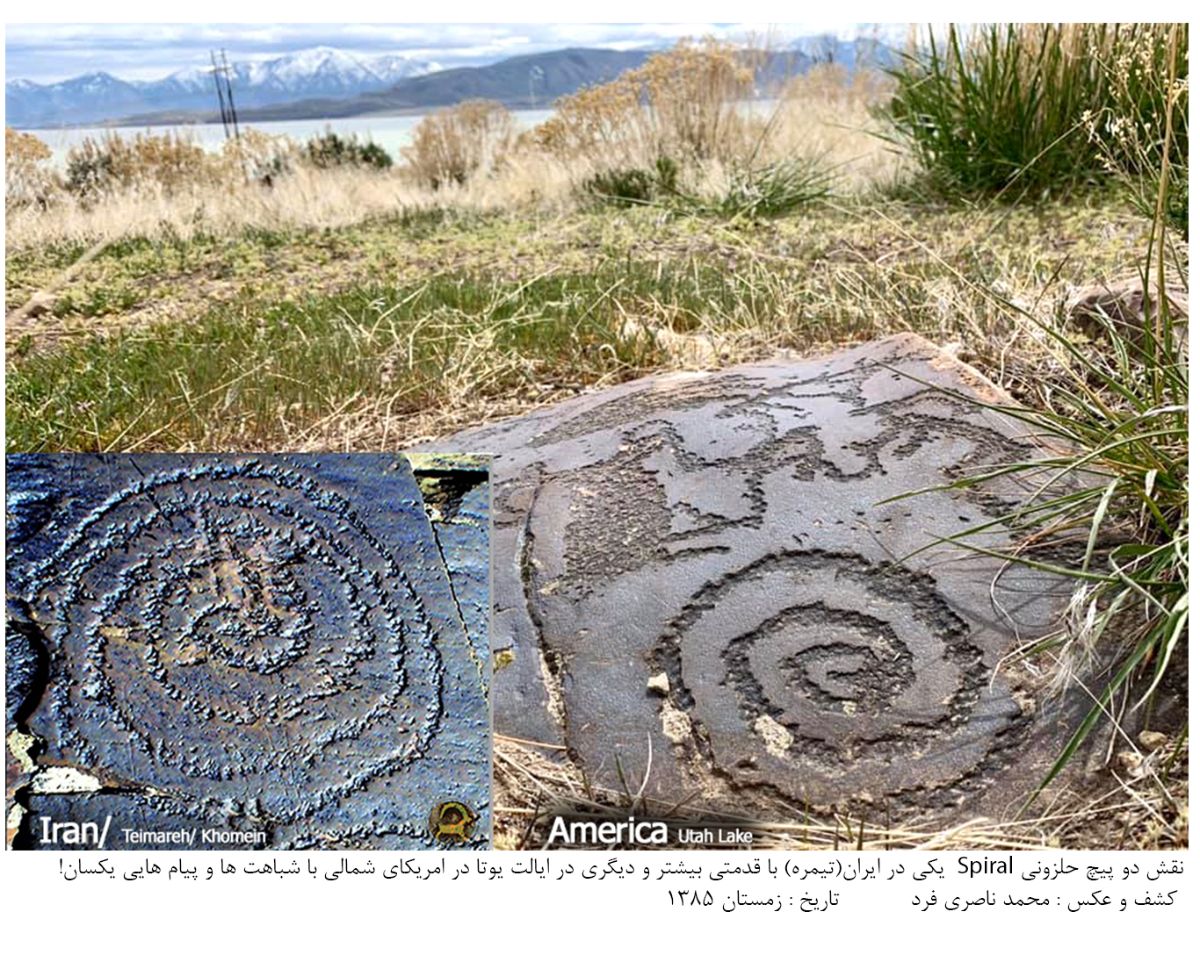
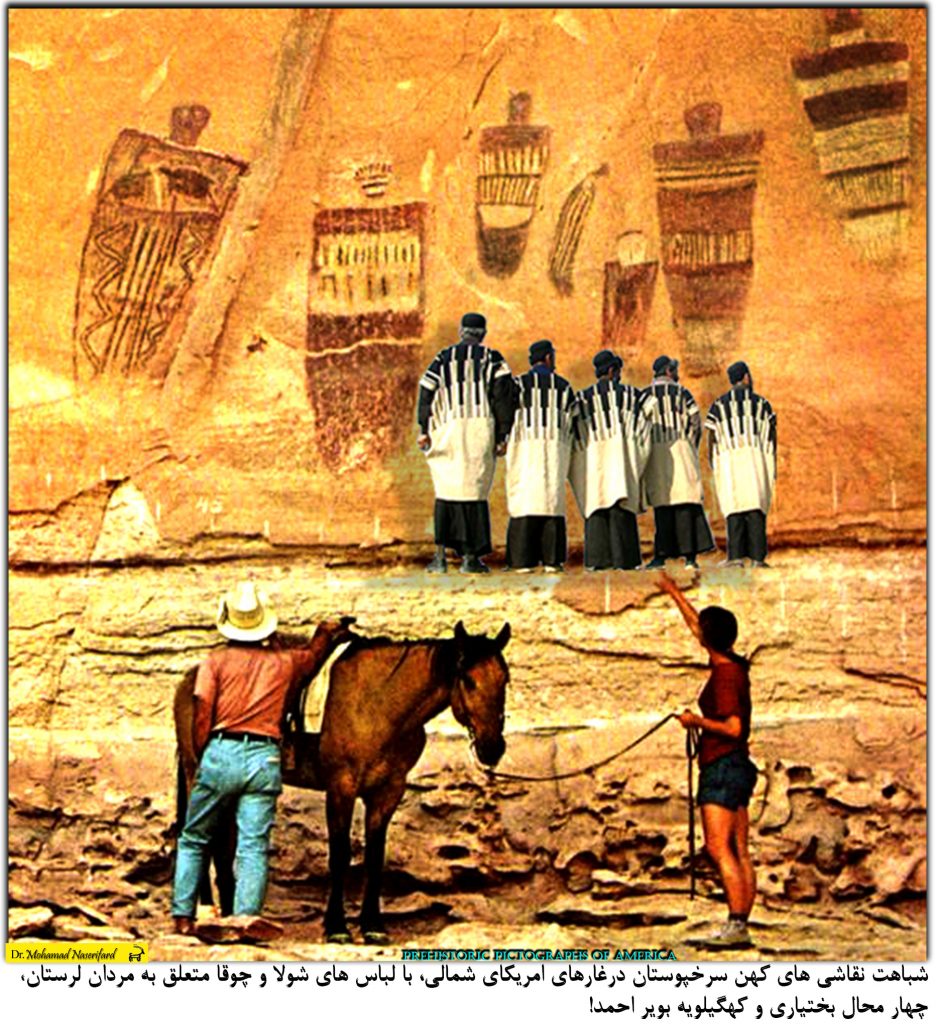
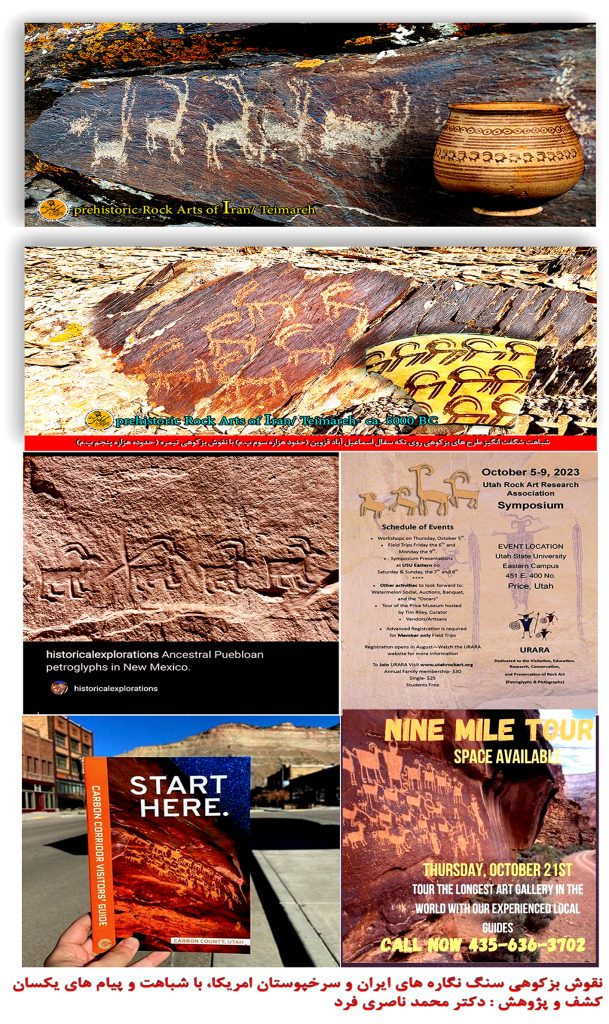
TEHRAN – Another cluster of ancient petroglyphs has recently been discovered in a barren plain in Lorestan province, western Iran. “The petroglyphs, which bear carved symbols and figures in the two colors of black and ocher, were discovered during an architectural survey conducted in Chegeni county of Lorestan province,” the provincial tourism chief, Seyyed Amin Qasemi, announced on Monday. “The drawings include animal, human, and plant motifs as well as scenes of hunting and horseback riding,” the official said. The Islamic Republic is seeking an integrated UNESCO recognition for millennia-old petroglyphs scattered across the country. Iran will put forward clusters of its millennia-old petroglyphs—located in Khomein county of Markazi province, and the ones dotted in the provinces of Isfahan and Lorestan–as a candidate for inclusion in UNESCO’S World Heritage list. Teymareh petroglyphs, which are located in Khomein county, have been estimated to be carved in a period spanning from 40,000 to 4,000 years ago, providing insights into past eras and cultures both by tools utilized for carving and themes being carved. Last year, a prehistorical petroglyph, which bears Pahlavi script written by ordinary people of the time, was found during an archaeological survey in the Teymareh region of central Iran. “This is the sixth petroglyph, engraved with Pahlavi script, which has so far been found in the highlands of Teymareh. And the petroglyph is estimated to date back to 2,200 years ago,” according to Iranian archaeologist Mohammad Nasserifard. Nasserifard had earlier proposed a bold hypothesis on a variety of petroglyphs that are scarred in the region, saying “some prehistorical residents of the Iranian plateau migrated to the Americas.” His assumption is based on evidence from similarities between the petroglyphs and cave painting symbols in central Iran and the ones found in the Americas. “After years of exploring ancient paintings inside Iran’s caves and mountains and other parts of the globe, amazing achievements have been made in this regard,” Nasserifard said.“Appearance similarities, artistic styles, and uniform themes of ancient petroglyphs and cave paintings of this land (Iran) reveal many missing links in human history and arts one of which is the resemblance of ancient artifacts in Iran with ones found in the American continent.” In March 2020, a team of entomologists and archaeologists concluded that a previously-founded petroglyph showcases a six-limbed creature with the head and arms of a praying mantis. The rare 14-centimeter rock carving was first spotted in the Teymareh rock art site during surveys between 2017 and 2018, but could not be identified due to its unusual shape. International experts Jan Brouwer and Gus van Veen have examined the Teymareh site estimating its carvings were made 40,000-4,000 years ago. Prehistoric rock art provides insights into past eras and cultures as archaeologists classify the tools for the carvings by specific eras Incising tools include flint, metal, or thigh bones of hunted prey.
https://www.tehrantimes.com/news/458201/Ancient-petroglyphs-discovered-in-western-Iran
تـــــــــــرجــمــــــــــــــــــــــــــــــــــــــــــــه
سنگنگارههای باستانی در ایران و سرخپوستان آمریکایی کشف شد
۱۶ فوریه ۲۰۲۱ - ۱۹:۵۵
تهران - اخیراً دسته دیگری از سنگنگارههای باستانی در دشتی بایر در استان لرستان، غرب ایران، کشف شده است. سید امین قاسمی، مدیر کل گردشگری استان، روز دوشنبه اعلام کرد: «این سنگنگارهها که نمادها و اشکال حکاکی شدهای با دو رنگ سیاه و اخرایی دارند، در جریان یک بررسی معماری که در شهرستان چگنی استان لرستان انجام شد، کشف شدند.» این مقام مسئول گفت: «این نقاشیها شامل نقوش حیوانی، انسانی و گیاهی و همچنین صحنههایی از شکار و اسبسواری است.» جمهوری اسلامی به دنبال به رسمیت شناختن یکپارچه سنگنگارههای هزاران ساله پراکنده در سراسر کشور توسط یونسکو است. ایران دستههایی از سنگنگارههای هزاران ساله خود - واقع در شهرستان خمین استان مرکزی و آنهایی که در استانهای اصفهان و لرستان پراکنده شدهاند - را به عنوان نامزد ثبت در فهرست میراث جهانی یونسکو ارائه خواهد کرد. سنگنگارههای تیمره که در شهرستان خمین واقع شدهاند، تخمین زده میشود که در دورهای بین ۴۰۰۰۰ تا ۴۰۰۰ سال پیش حکاکی شدهاند و بینشهایی را در مورد دورهها و فرهنگهای گذشته، چه از طریق ابزارهای مورد استفاده برای حکاکی و چه از طریق مضامین حکاکی شده، ارائه میدهند. سال گذشته، یک سنگنگاره ماقبل تاریخ که دارای خط پهلوی نوشته شده توسط مردم عادی آن زمان است، در طی یک بررسی باستانشناسی در منطقه تیمره در مرکز ایران پیدا شد. به گفته محمد ناصری فرد، باستانشناس ایرانی، «این ششمین سنگنگاره حکاکی شده با خط پهلوی است که تاکنون در ارتفاعات تیمره یافت شده است. و تخمین زده میشود که قدمت این سنگنگاره به ۲۲۰۰ سال پیش بازگردد.» ناصری فرد پیش از این فرضیه جسورانهای را در مورد انواع سنگنگارههایی که در این منطقه وجود دارند، مطرح کرده و گفته بود: «برخی از ساکنان ماقبل تاریخ فلات ایران به قاره آمریکا مهاجرت کردهاند.» فرضیه او بر اساس شواهدی از شباهتهای بین سنگنگارهها و نمادهای نقاشی غار در مرکز ایران و نمونههای یافتشده در قاره آمریکا است. ناصری فرد گفت: «پس از سالها کاوش در نقاشیهای باستانی درون غارها و کوههای ایران و سایر نقاط جهان، دستاوردهای شگفتانگیزی در این زمینه حاصل شده است.» «شباهتهای ظاهری، سبکهای هنری و مضامین یکسان سنگنگارهها و نقاشیهای غار باستانی این سرزمین (ایران)، حلقههای گمشده بسیاری را در تاریخ و هنر بشر آشکار میکند که یکی از آنها شباهت آثار باستانی در ایران با آثار یافتشده در قاره آمریکا است.» در مارس ۲۰۲۰، تیمی از حشرهشناسان و باستانشناسان به این نتیجه رسیدند که یک سنگنگاره که قبلاً کشف شده، موجودی ششپا با سر و بازوهای یک آخوندک را به نمایش میگذارد. این حکاکی سنگی نادر ۱۴ سانتیمتری برای اولین بار در طول بررسیهای بین سالهای ۲۰۱۷ و ۲۰۱۸ در سایت هنر صخرهای تیمره مشاهده شد، اما به دلیل شکل غیرمعمول آن قابل شناسایی نبود. کارشناسان بینالمللی، یان بروور و گاس ون وین، محوطه تیمره را بررسی کردهاند و تخمین زدهاند که حکاکیهای آن ۴۰۰۰۰ تا ۴۰۰۰ سال پیش انجام شده است. هنر صخرهای ماقبل تاریخ، بینشهایی را در مورد دورهها و فرهنگهای گذشته ارائه میدهد، زیرا باستانشناسان ابزارهای حکاکی را بر اساس دورههای خاص طبقهبندی میکنند. ابزارهای حکاکی شامل سنگ چخماق، فلز یا استخوان ران شکار شکار شده است.