
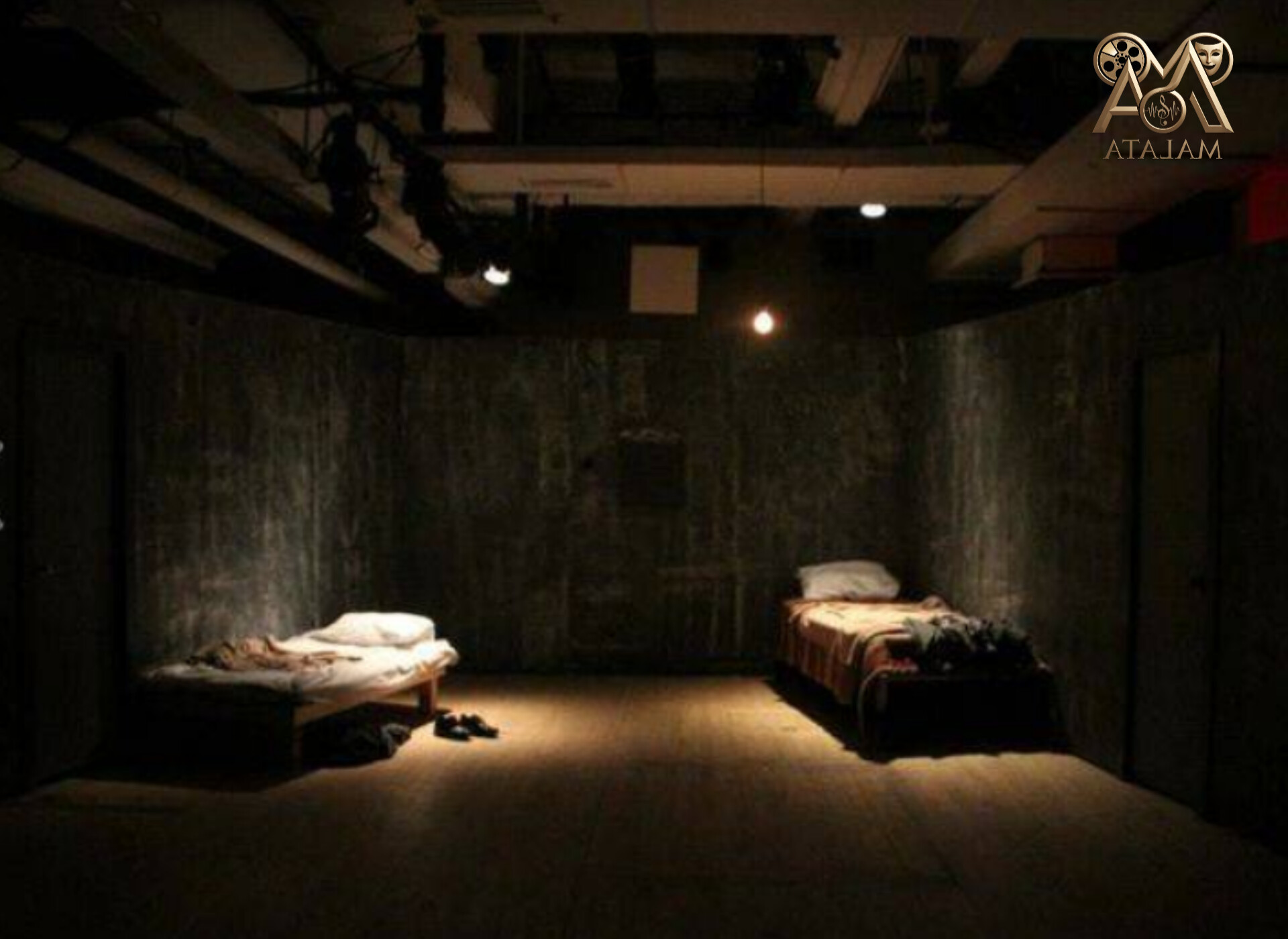
نمایشنامه «پیشخدمت» (۱۹۵۷) یکی از شاهکارهای اولیه هارولد پینتر، نمایشنامهنویس برنده نوبل، در زمرهی آثار موسوم به «کمدی هراس» (Comedy of Menace) قرار میگیرد؛ اما فراتر از این دستهبندی سنتی، این اثر را میتوان کمدیای سیاسی با لایههای ژرف وجودشناختی خواند. پینتر در این تکپرده، دو آدمکش مزدور به نامهای بن و گاس را در سردابی بسته و تاریک به تصویر میکشد که منتظر دستوری از جانب رئیس ناشناس خود هستند؛ انتظاری پوچ و بیحاصل که یادآور اسطورهی سیزیف در فلسفهی آلبر کامو است . موقعیت مکانی بسته و تهویهنشده، نهتنها فضایی فیزیکی، بلکه استعارهای از وضعیت انسان مدرن در نظامهای قدرتمحور پساجنگ جهانی دوم است .
The Dumb Waiter (1957), one of Harold Pinter's early masterpieces, is classified among the so-called "Comedies of Menace"; however, beyond this traditional categorization, the play can be read as a political comedy with profound existential layers. In this one-act play, Pinter portrays two hired assassins, Ben and Gus, confined in a closed, dark basement, waiting for an order from their unknown boss a futile, absurd waiting that echoes the myth of Sisyphus in Albert Camus's philosophy . The enclosed, unventilated space is not merely a physical setting but a metaphor for the condition of modern humanity within power systems in the post-WWII era .
نیروی محرکهی درام، نه کنش بیرونی، که ساختار سلسلهمراتبی حاکم بر رابطهی دو شخصیت است. بن، بهعنوان عضو ارشد، تجسم نظم و حرفهگری بیچونوچراست؛ او دستورات را بیپرسش اجرا میکند و هرگونه کنجکاوی را تهدیدی برای تمامیت سیستم میداند. در مقابل، گاس با پرسشهای کودکانهاش دربارهی هویت قربانیان و ماهیت سازمان، نظم خفقانآور را به چالش میکشد. پینتر از طریق دیالوگهای بریدهبریده و سکوتهای سنگین، شکاف زبانی این دو را بهعنوان بازتابی از نابرابری قدرت بهتصویر میکشد، بن از زبان بهعنوان ابزاری برای سلطه و طرد گاس استفاده میکند و او را از دسترسی به اطلاعات محروم میسازد.
The driving force of the drama is not external action, but the hierarchical structure governing the relationship between the two characters. Ben, as the senior partner, embodies unquestioning order and professionalism; he executes orders without hesitation and views any curiosity as a threat to the system's integrity . In contrast, Gus, with his childlike questions about the victims' identity and the organization's nature, challenges the suffocating order. Through fragmented dialogues and heavy silences, Pinter portrays the linguistic disparity between the two as a reflection of power imbalance: Ben uses language as a tool of domination and exclusion, denying Gus access to information .
عنوان نمایشنامه، «پیشخدمت» (Dumb Waiter)، خود بهتنهایی چندلایه و هوشمندانه است. این وسیلهی مکانیکی که سفارشهای غذا را از بالا به پایین میفرستد، کارکردی دوگانه دارد: از سویی یادآور ساختارهای قدرت غیرقابلدسترس فرادستان است و از سویی، بهعنوان ابزاری برای نظارت و اعمال فشار روانی عمل میکند. سفارشهای مضحک غذایی (چیپس، کلم بروکلی و...) که بن و گاس قادر به تأمین آنها نیستند، پوچی موقعیت آنان را عریان میسازد و آنان را بهمثابهی «دندههایی در ماشینی» بزرگتر نشان میدهد که نه از کل سیستم سردر میآورند و نه عاملیتی در سرنوشت خود دارند. این موقعیت را میتوان در چارچوب «پانوپتیکون» فوکو تحلیل کرد: شخصیتها همواره زیر نظر قدرتی نامرئی هستند که از طریق لولهی گویا و بالابر غذا با آنان ارتباط برقرار میکند، اما هرگز چهرهای عینی نمییابد.
The play's title, "The Dumb Waiter," is in itself multi-layered and ingenious. This mechanical device, which sends food orders from above to below, serves a dual function: on one hand, it evokes the inaccessible power structures of the superiors, and on the other, it operates as an instrument of surveillance and psychological pressure . The absurd food orders (crisps, broccoli, etc.) that Ben and Gus cannot fulfill lay bare the futility of their situation, depicting them as "cogs in a larger machine" who neither understand the overall system nor have any agency over their own fate. This situation can be analyzed within Foucault's panopticon framework: the characters are constantly under the surveillance of an invisible through the speaking tube and the food lift, but never assumes a concrete form .
ویژگی بارز پینتر در این اثر، استفادهی او از زبان بهعنوان «پوششی برهنهای بر فراز سکوت» است. دیالوگهای بن و گاس اغلب در کلیشههای روزمره (اخبار روزنامه، مشکلات لولهکشی، نحوهی دمکردن چای) گیر میکند و از هرگونه ارتباط اصیل و معنادار فاصله میگیرد. این «پچپچهای تهی» اما کارکردی حیاتی دارند: آنان را در برابر وحشت وجودی و سکوت مهیب اتاق محافظت میکنند. بااینحال، هرگاه پای «دیگری غایب» (رئیس یا قربانی نامعلوم) به میان میآید، این سطح زبانی فرو میریزد و خشونت نهفته در زیر پوست کلمات آشکار میشود؛ چنانکه دعوای بیمعنی بر سر «کتری» ناگهان به خشونت فیزیکی بن بدل میگردد. این رویکرد، هستیشناسی پوچگرایانهی پینتر را بهنمایش میگذارد: انسان در جهانی بیمعنا و سرشار از هراس، بهاجبار به سطحیترین اشکال ارتباط پناه میبرد تا از مواجهه با خلأ هستی بگریزد.
Pinter's hallmark in this play is his use of language as "a naked strategy to cover the silence." The dialogues between Ben and Gus are often trapped in mundane clichés (newspaper news, plumbing problems, how to make tea) and remain far from any authentic, meaningful communication. This "empty chatter," however, serves a vital function: it protects them against existential dread and the room's terrifying silence. Nevertheless, whenever the "absent other" (the boss or the unknown victim) is invoked, this linguistic surface collapses, and the violence lurking beneath the words erupts as seen when a meaningless argument over "the kettle" suddenly escalates into Ben's physical violence . This approach reveals Pinter's absurdist ontology: in a meaningless world filled with menace, humans are compelled to take refuge in the most superficial forms of communication to avoid confronting the void of existence.
اوج دراماتیک اثر در پایانبندی هوشمندانهی آن رخ میدهد. زمانی که گاس برای آوردن آب از اتاق خارج میشود، دستور نهایی از بالا صادر میشود: «بعدی را که وارد میشود بکش». گاس بدون کت، وست و هولستر خود بازمیگردد و دو مرد در سکوت کامل به یکدیگر میخیرند. پینتر با این پایان باز، اصل مکانیسم خودتنظیمگری نظامهای قدرت را بهتصویر میکشد: هر عنصری که از هنجار «پرسشناپذیری» خارج شود، باید حذف گردد. گاس که جرئت پرسش و تردید یافته، بهمثابهی «دندهای زائد» قلمداد میشود که باید از چرخه خارج شود. این پایان هراسانگیز، نهتنها تهدید بیرونی، که امکان خیانت و خشونت درونی در نظامهای سلسلهمراتبی را آشکار میسازد. مخاطب با این پرسش بیپاسخ رها میشود که آیا بن فرمان را اجرا خواهد کرد یا نه؛ اما قدرت تعلیق پینتر در همین «نگاه خیره» نهفته است که بار معنایی تمام نمایشنامه را بر دوش تماشاگر میگذارد .
The dramatic climax occurs in the play's ingenious ending. When Gus leaves the room to fetch water, the final order comes from above: "Kill the next one who enters." Gus returns without his jacket, waistcoat, and holster, and the two men stare at each other in complete silence. With this open ending, Pinter depicts the self-regulating mechanism of power systems: any element that deviates from the norm of "unquestioning obedience" must be eliminated. Gus, who has dared to question and doubt, is deemed a "redundant cog" to be removed from the cycle. This terrifying ending reveals not only external threats but also the possibility of internal betrayal and violence within hierarchical systems. The audience is left with the unanswered question of whether Ben will execute the order; yet Pinter's power of suspense lies precisely in this "stare," which places the entire interpretive burden of the play upon the spectator.
«پیشخدمت» فراتر از یک کمدی سیاه پوچگرا، هجویهای تلخ دربارهی وضعیت انسان مدرن در برابر نظامهای قدرت نامرئی و زبان تهی از معناست. پینتر با فضاسازی مینیمال و دیالوگنویسی هولناک خود، مرز میان کمدی و تراژدی را چنان محو میکند که مخاطب امروزی نیز با خوانش سیاسی این اثر، بازتابی از ساختارهای قدرت و نظارت جامعهی معاصر را در آن بازمییابد. این نمایشنامه نهتنها تصویری از دههی ۱۹۵۰ بریتانیا، که آیینهای تمامنما از سرشت همیشگی سلطه و انقیاد است.
The Dumb Waiter transcends the boundaries of an absurdist black comedy, ofpower that fering a bitter satire of modern humanity's condition in the face of invisible power structures and language emptied of meaning. Through his minimalistic staging and terrifying dialogue, Pinter blurs the line between comedy and tragedy so completely that contemporary audiences, through a political reading, can recognize reflections of power and surveillance structures in their own society. This play is not merely a portrait of 1950s Britain but a full-length mirror reflecting the eternal nature of domination and submission.communicates with them

