
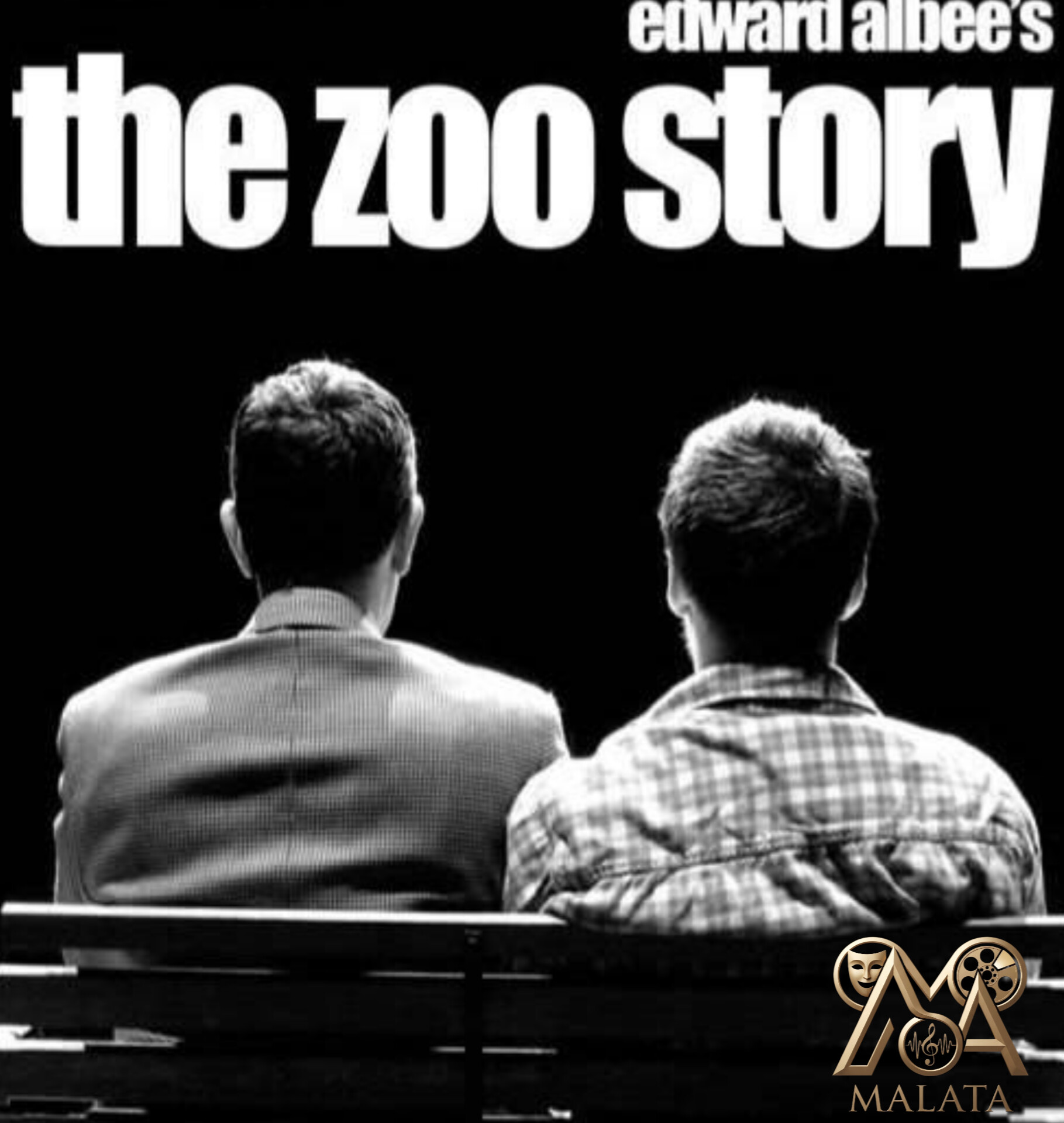
«باغ وحش» ادوارد آلبی، در نگاه نخست، نمایشی درباره تنهایی و شکست ارتباط انسانی به نظر میرسد. اما این خوانش سطحی، از عمق تراژیک و زهرآگین این اثر غافل میماند. آلبی در این نمایشنامه یک پردهای، نه یک داستان ساده، بلکه یک آیین قربانی مدرن را به صحنه میبرد؛ جایی که باغ وحش، استعارهای از جامعه آمریکایی است که انسانها را در قفسهای طبقاتی، جنسی و روانی زندانی کرده است.
Edward Albee's "The Zoo Story" appears, at first glance, to be a play about loneliness and the failure of human communication. But this superficial reading overlooks the tragic depth and venomous sharpness of the work. In this one-act play, Albee stages not a simple story, but a modern ritual of sacrifice where the zoo serves as a metaphor for American society, imprisoning individuals within cages of class, gender, and psychology.
آنچه در این اثر شوکآور است، نه صرفاً مرگ جری، بلکه آگاهیای است که این مرگ برای پیتر و مخاطب به ارمغان میآورد. پیتر، نماینده بورژوازی خوشبخت و بیخبر، در طول نمایش از یک انسان خنثی به قاتلی مضطرب تبدیل میشود و این دقیقاً همان هدفی است که آلبی دنبال میکند: «کندن زیر پوست تا جایی که تقریباً غیرقابل تحمل شود».
What is shocking in this work is not merely Jerry's death, but the awareness that this death brings to Peter and the audience. Peter, a representative of the blissfully ignorant bourgeoisie, transforms throughout the play from a neutral man into an anxious killer and this is precisely the goal Albee pursues: "digging so deep under the skin that it becomes practically intolerable."
نکته محوری در نقد این نمایشنامه، پرهیز از دستهبندیهای کلیشهای است. مارتین اسلین، منتقد شهیر، آلبی را در زمره نمایشنامهنویسان «تئاتر ابزورد» قرار داده است، اما این برچسب به هیچ وجه گویای تمامیت اثر نیست. برخلاف بکت یا یونسکو که بر پوچی متافیزیکی جهان تأکید دارند، آلبی به پوچیای اجتماعی و ساخته دست بشر میپردازد.
A central point in critiquing this play is avoiding simplistic categorization. Critic Martin Esslin placed Albee within the "Theatre of the Absurd," but this label fails to capture the work's full complexity. Unlike Beckett or Ionesco, who emphasize metaphysical meaninglessness, Albee addresses a socially constructed absurdity
جری، شخصیت محوری نمایش، دیوانهای بیمنطق نیست؛ او پیامبری خشمگین است که قوانین نانوشته طبقه متوسط را به سخره میگیرد. زبان او ترکیبی است از طنز گزنده، فحاشیهای عمدی، و داستانپردازیهای تمثیلی (مانند ماجرای سگ) که همگی برای شکستن دیوار بیتفاوتی پیتر طراحی شدهاند.
Jerry, the central character, is no irrational madman; he is an angry prophet mocking the unwritten rules of the middle class. His language combines biting satire, deliberate profanity, and allegorical storytelling (such as the dog episode) all designed to shatter Peter's wall of indifference.
در واقع، باغ وحش فارغ از تمثیلهای مسیحی یا روانکاوانهای که برای آن ساختهاند، یک «بازجویی اخلاقی» است؛ پرسشی بیامان از مخاطب که چرا تا وقتی با چاقو مواجه نشود، از قفس ذهنی خود خارج نمیشود؟ این نمایش، آیینه تمامنمای جامعه مصرفگرای دهه ۱۹۵۰ آمریکاست که در آن ارزش انسانها به وسایل خانه و درآمدشان تقلیل یافته است، و آلبی با قلمی تیزبین، این توهم خوشایند را به کام مخاطب تلخ میکند.
In essence, "The Zoo Story", beyond its Christian or psychoanalytic interpretations, is a "moral inquisition" a relentless question to the audience: why does it take a knife to break free from our mental cages? The play is a mirror of 1950s consumerist America, where human worth is reduced to possessions and income, and Albee's sharp pen forces this bitter realization upon the audience.
تنهاییای که در یک پارک زنده میشود، روایت تازهای از «داستان باغوحش» با کارگردانی محمد تات و ترجمه غزل زکی پور، جایی که یک نیمکت، جهان را میلرزاند. اجرا در شهریور ۱۴۰۵

