
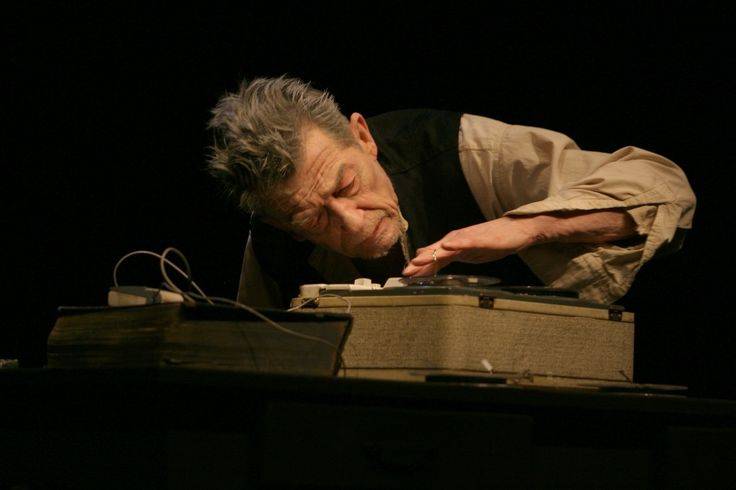
نمایش نوار آخر کرپ به کارگردانی محمد تات و ترجمه غزل زکیپور، مرداد ۱۴۰۵ توسط گروه هنری مالاتا روی صحنه میرود؛ آغاز فصل تازهای در تجربهگرایی تئاتر ایران.
«نمایش نوار آخر کرپ به کارگردانی محمد تات مرداد ۱۴۰۵ توسط گروه هنری مالاتا روی صحنه میرود؛ آغاز فصل تازهای در تجربهگرایی تئاتر ایران.»
این نمایشنامه، مرثیهای بر بیهودگی ثبت خویشتن است؛ جایی که نوار ضبطشده نه سند حقیقت، که گواه خیانت همیشگی خاطره به ماست.
This play is an elegy to the futility of self-documentation; where the recorded tape is not a document of truth, but proof of memory's eternal betrayal of us.
کراپ جوان، با غرور کاذب، «شانس خوشبختی» را فدای «تکالیف» ادبیاش میکند، اما کراپ پیر با نوارش روبرو میشود تا ببیند آن تکالیف، جز ۱۷ نسخهی فروشنرفته، هیچ دستاوردی نداشته است؛ این طنزی سیاه بر بلعیدهشدن زندگی به پای هنری است که خود تهیتر از آن است که نجاتبخش باشد.
The young Krapp, with false pride, sacrifices his "chance of happiness" for his literary "homework," but the old Krapp confronts his tape only to see that those homework have yielded nothing but 17 unsold copies; this is a dark irony of life devoured at the altar of an art that is too hollow to be redemptive.
بکت با قالب تکگویی، نه به درون یک شخصیت، که به ورطهی تهیگی خود آگاهی قدم میگذارد؛ صدای ضبطشده، خود دیگری است که هرگز با «من» کنونی همپوشانی ندارد و این شکاف، همان عذاب حقیقی انسان مدرن است.
Beckett, through the monologue form, steps not into a character's interior, but into the abyss of consciousness itself; the recorded voice is the other self that never overlaps with the present "I," and this gap is the true torment of modern man.
موزهایی که کراپ میخورد و پوستهایش که روی زمین میلغزند، استعارهی نبوغآمیزی از کل هستیاو هستند: حرکاتی مکرر، اشتهاهایی بینتیجه، و سقوطی که در دل هر لذت لحظهای نهفته است.
The bananas Krapp eats and their skins on which he slips are a stroke of genius as a metaphor for his entire existence: repetitive motions, futile appetites, and a fall embedded in every momentary pleasure.
نکتهی کوبندهی نمایش اینجاست که کراپ در شب تولد ۶۹ سالگیاش، نه بهدنبال پاسخی برای آینده، که مجذوب شنیدن دوبارهی همان عشق ازدسترفتهی جوانی میشود؛ او بهجای ساختن «آخرین نوار» جدید، در چرخهای از تکرار وابستهی خود غرق میشود.
The devastating point of the play is that on his 69th birthday, Krapp seeks not an answer for the future, but is captivated by re-listening to that same lost love of his youth; instead of composing a new "last tape," he drowns in a cycle of his own dependent repetition.
زبان در این تکگویی به اوج زوال خود میرسد؛ جایی که کراپ فریاد میزند «هیچی برای گفتن ندارم»، اما ناچار به گفتن همین هیچ است، و این تناقض، بنمایهی تمامی آثار بکت و ناتوانی زبان در مهار هستی است.
Language in this monologue reaches its own decay; where Krapp shouts "Nothing to say," but is forced to say that very nothing, and this paradox is the leitmotif of all Beckett's works and the inability of language to master being.
در نهایت، کراپ نه با گذشتهاش، که با پوچی مطلق هر دو سوی زمان روبرو میشود: گذشتهای که نتوانست زندگی کند و حالی که دیگر برای زندگی دیر شده؛ این نقدی بیامان بر اومانیسم خوشبینی است که وعدهی معنا میدهد، اما فقط سکوت یک اتاق تاریک و یک نوار کهنه را تحویل میدهد.
In the end, Krapp confronts not his past, but the absolute void of both sides of time: a past he failed to live and a present where it is already too late to live; this is a merciless critique of optimistic humanism that promises meaning, but delivers only the silence of a dark room and an old tape.
بکت با این شاهکار، ثابت میکند که خاطرهبازی، یک نوستالژی دلنشین نیست؛ بلکه رویارویی با جنازهی زندهی انتخاباتمان است، و کراپ خاموش در پایان، تجسم همان لحظهی حیرتآوری است که انسان پس از کندن تمام نقابها، با چهرهی تهیگاه خود خیره میشود.
With this masterpiece, Beckett proves that reminiscing is not a pleasant nostalgia; it is a confrontation with the living corpse of our choices, and the silent Krapp at the end is the embodiment of that stupefying moment when man, after tearing off all masks, stares at his own hollowed-out face.
«نمایش نوار آخر کرپ به کارگردانی محمد تات و ترجمه غزل زکیپور، مرداد ۱۴۰۵ توسط گروه هنری مالاتا روی صحنه میرود؛ آغاز فصل تازهای در تجربهگرایی تئاتر ایران.»
#محمد تات، #گروه هنری مالاتا، #نوار آخر کرپ، #ساموئل بکت

