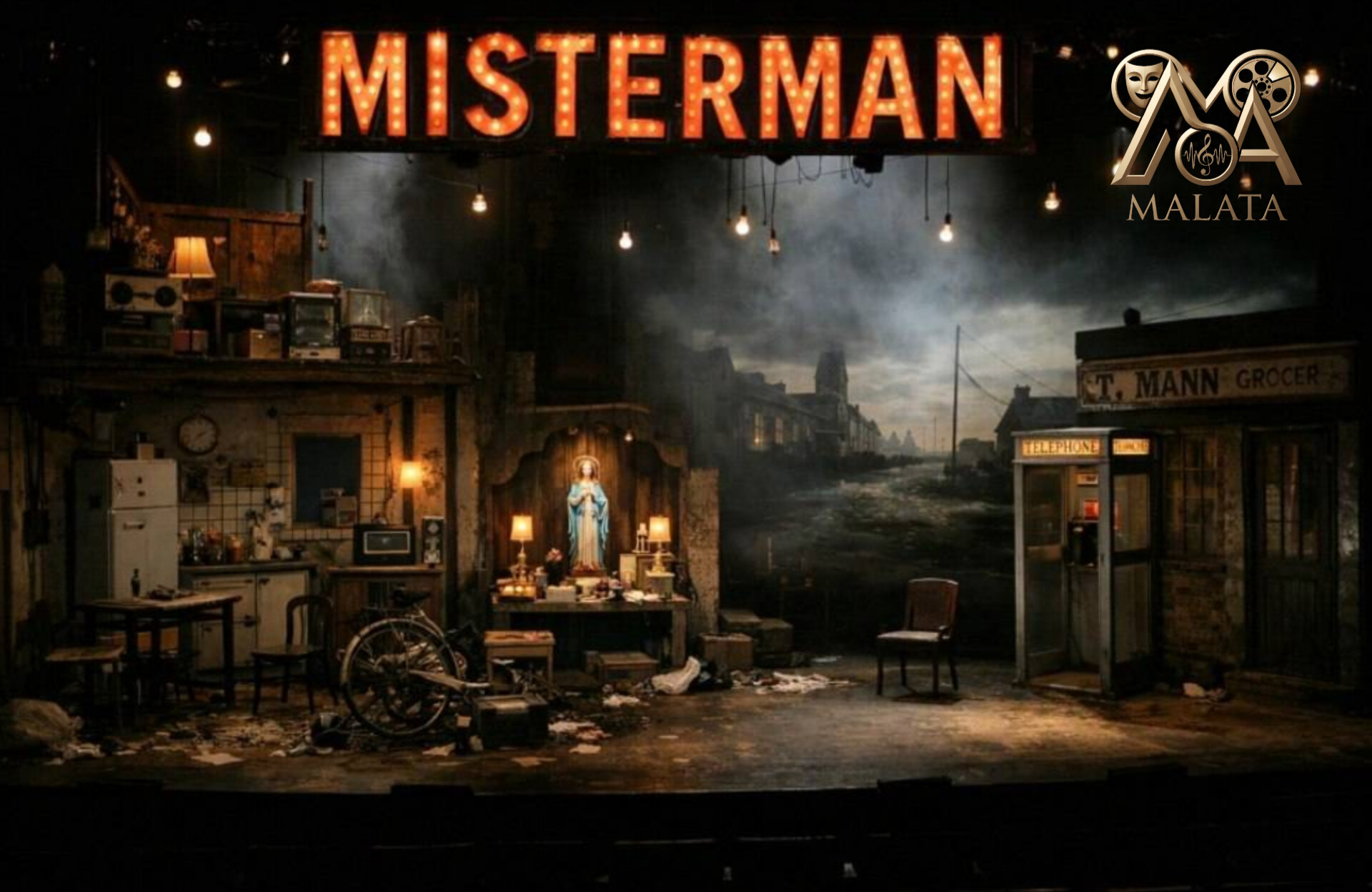
نمایش «مستر من» یکی از پیچیدهترین و چالشبرانگیزترین آثار اندا والش، نمایشنامهنویس برنده تونی، است که در فضای یک شهر کوچک ایرلندی به نام «اینیشفری» روایت میشود. این اثر تکنفره، که نخستین بار در سال ۱۹۹۹ در کورک به صحنه رفت و در سال ۲۰۱۱ با بازی کیلیان مورفی به اوج شهرت رسید، روایتگر فروپاشی روانی مردی به نام توماس مگیل است که خود را مأمور الهی برای داوری همشهریانش میداند. آنچه این نمایش را از یک تکگویی روانشناختی صرف فراتر میبرد، ساختار صوتی و فضایی آن است که مخاطب را درون ذهن آشفته شخصیت اصلی محبوس میکند. والش در این اثر، مرز میان واقعیت و توهم را چنان هنرمندانه محو میکند که مخاطب هرگز نمیداند صداهایی که میشنود از درون ذهن توماس برمیخیزد یا از جهان بیرونی.
"Misterman," one of the most complex and challenging works by Tony Award-winning playwright Enda Walsh, is set in a small Irish town called Inishfree. This one-man play, first staged in Cork in 1999 and reaching peak fame in 2011 with Cillian Murphy, portrays the psychological collapse of Thomas Magill—a man who sees himself as a divine agent sent to judge his fellow townspeople. What elevates this play beyond a mere psychological monologue is its sonic and spatial structure, trapping the audience inside the protagonist's fractured mind. Walsh blurs the line between reality and delusion so masterfully that the audience can never be certain whether the voices they hear originate from within Thomas's head or from the external world
والش در «مستر من» از منظر روایی به طرز هوشمندانهای با فرم بازی میکند. کل نمایش در طول یک روز رخ میدهد، اما این روز در ذهن توماس بارها و بارها بازنویسی میشود. او با ضبطهای صوتی که از مکالمات اهالی شهر تهیه کرده، صحنهها را بارها مرور و بازآفرینی میکند تا به «حقیقت» پشت رفتار آنها پی ببرد. این لایهبرداری صوتی، که توسط طراح صدای برجستهای مانند گرگ کلارک در اجرای ۲۰۱۱ به سطحی از هنر ارتقا یافت، در واقع شخصیت دوم نمایش محسوب میشود. صداها نه تنها فضایی چندبعدی خلق میکنند، بلکه به ما نشان میدهند که توماس چگونه روایت خود را از جهان میسازد؛ او نه فقط بازیگر، بلکه کارگردان و تدوینگر واقعیتِ خودش است. این ساختار، نمایش را به آثاری چون «زیر درختان شیرین» دیلن تامس نزدیک میکند، با این تفاوت که والش سمتوسویی تاریکتر و بیمارگونهتر به آن میدهد.
Walsh cleverly plays with narrative form in "Misterman." The entire play unfolds over a single day, but that day is rewritten over and over in Thomas's mind. Using audio recordings of conversations with the townspeople, he revisits and reenacts scenes to uncover the "truth" behind their behavior. This sonic layering elevated to an art form in the 2011 production by sound designer Greg Clarke—becomes the play's second character. The sounds create a multidimensional space while revealing how Thomas constructs his own narrative of the world; he is not merely an actor but also the director and editor of his own reality. This structure draws the play close to works like Dylan Thomas's "Under Milk Wood," though Walsh gives it a darker, more pathological twist.
نقطه قوت بیچونوچرای «مستر من»، شخصیتپردازی لایهلایه توماس مگیل است. او نه یک دیوانهی کلیشهای، بلکه موجودی تراژیک است که بین تعصب مذهبی، عشق مادرانهای که هرگز به آن دست نیافته، و تنهایی مطلق در نوسان است. والش با ظرافت تمام نشان میدهد که توماس چگونه خشونت را در لباس عدالتالهی توجیه میکند. او با مادرش زندگی میکند، از سگهای جهنم میترسد، و صدای دوریس دی در ذهنش پخش است این ترکیب عجیب از عناصر روزمره و آخرالزمانی، شخصیتی خلق کرده که هم خندهدار است، هم وقیح، و در نهایت به طرز غیرقابلتحملی غمانگیز. بازی در این نقش، یک «تور دو فورس» تمامعیار است؛ بازیگر باید به تنهایی بیش از ده شخصیت متفاوت را خلق کند، بین لحظات شیدایی و افسردگی جابهجا شود، و تماشاگر را با خود همراه کند. کیلیان مورفی در اجرای ۲۰۱۱ چنان در این نقش غرق شد که تماشاگران سالن ملی لندن که معمولاً مخاطبی سرد و محافظهکار دارد تا سه بار او را تشویق ایستاده کردند و بانویی مسن در خروجی سالن، اشکریزان به همسرش چسبیده بود.
The undeniable strength of "Misterman" lies in its layered characterization of Thomas Magill. He is no clichéd madman but a tragic figure oscillating between religious zealotry, a mother's love he never truly received, and absolute loneliness. Walsh subtly shows how Thomas justifies violence in the guise of divine justice. He lives with his mother, fears the hounds of hell, and hears Doris Day playing in his head this strange blend of everyday and apocalyptic elements creates a character who is at once funny, repulsive, and unbearably tragic. Performing this role is a full-fledged tour de force; the actor must single-handedly embody over a dozen distinct characters, shift between manic and depressive states, and carry the audience along. Cillian Murphy immersed himself so completely in the 2011 production that audiences at London's National Theatre known for their reserved demeanor gave him three standing ovations, with one elderly woman clinging tearfully to her husband in the lobby.
اگرچه «مستر من» در ظاهر یک درام روانشناختی فردی است، اما والش از آن به عنوان آینهای برای نقد جامعهی ایرلندی و بهطورکلی هر جامعهی بسته و خودسانسورگر استفاده میکند. توماس با ضبط صدای همسایگان و قضاوت آنها، در واقع استعارهای از سازوکارهای نظارت و کنترل اجتماعی است. والش در گفتوگوهایش بارها اشاره کرده که بسیاری از نمادهای آثارش عمدی نبودهاند، اما همینطور که خودش طنزآمیز میگوید: «خب، من فقط وانمود میکنم که اینها عمدی بوده تا باهوش به نظر برسم». این خودآگاهی طنزآمیز، بخشی از جذابیت والش است؛ او قرار نیست پیام سیاسی مستقیمی به خورد مخاطب بدهد، بلکه فضایی میسازد که مخاطب خودش به این نتیجه برسد که چگونه تعصب و پارانویا میتوانند یک انسان معمولی را به ابزار سرکوب تبدیل کنند. پایان بندی نمایش که در آن توماس به جنایتی وحشتناک دست میزند، این سوال را بیپاسخ میگذارد که آیا او دیوانهای خطرناک است یا محصولِ طبیعیِ جامعهای که به او یاد داده همسایهاش را داوری کند.
Though "Misterman" appears to be an individual psychological drama, Walsh uses it as a mirror to critique Irish society and by extension, any closed, self-censoring community. By recording his neighbors and judging them, Thomas becomes a metaphor for mechanisms of surveillance and social control. Walsh has noted in interviews that many of his symbols were unintentional, adding humorously: "I just pretend they were intentional to make myself look clever". This self-aware irony is part of Walsh's charm he doesn't force a direct political message but creates a space where audiences can conclude for themselves how bigotry and paranoia can transform an ordinary person into an instrument of repression. The play's ending, where Thomas commits a horrific act, leaves unanswered whether he is a dangerous madman or the natural product of a society that taught him to judge his neighbors.
«مستر من» بیشک یکی از ماندگارترین تکنماهای تئاتر معاصر است، نه به خاطر پیچیدگی تکنیکی صرف، بلکه به خاطر جسارتِ والش در به تصویر کشیدن تاریکترین گوشههای روان انسان مدرن. این اثر، برخلاف بسیاری از نمایشهای روانشناختی که به رستگاری یا روشنگری ختم میشوند، مخاطب را در تاریکی رها میکند و این پایان باز، دقیقا همان چیزی است که آن را از یک اثرِ صرفاً سرگرمکننده به یک تجربهی تئاتری ماندگار تبدیل میکند. اجرای مجدد این اثر در جشنوارهی Origin Irish Theatre در سال ۲۰۲۶ با بازی دانیل مارکونی، نشاندهندهی تازگی همیشگی این متن است. نمایشی که بیش از دو دهه از نگارش اولیهاش میگذرد، اما همچنان میتواند مخاطب را به چالش بکشد و او را وادار کند که در آینهی توماس مگیل، خودش را هم ببیند. والش با «مستر من» ثابت کرد که برای روایت بزرگترین درامهای انسانی، گاهی تنها یک بازیگر، یک صندلی، و جهانی از صداهای درون کافی است.
"Misterman" remains one of the most enduring solo plays in contemporary theatre not merely for its technical complexity, but for Walsh's audacity in portraying the darkest recesses of the modern psyche. Unlike many psychological dramas that conclude with redemption or enlightenment, this work leaves the audience in darkness, and that open-endedness is precisely what transforms it from mere entertainment into a lasting theatrical experience. The play's revival at the 2026 Origin Irish Theatre Festival with Daniel Marconi attests to the text's enduring freshness. More than two decades after its first writing, it still challenges audiences and forces them to see themselves in Thomas Magill's mirror. With "Misterman," Walsh proved that sometimes, to stage the greatest of human dramas, all you need is one actor, a chair, and a world of inner voices.
مستر من اعترافهای خاموش
جایی که یک مرد، جهان را از پشت دیوارهای ذهن خودش دوباره میسازد.
اجرا در شهریور ۱۴۰۵ با کارگردانی محمد تات و ترجمه غزل زکیپور