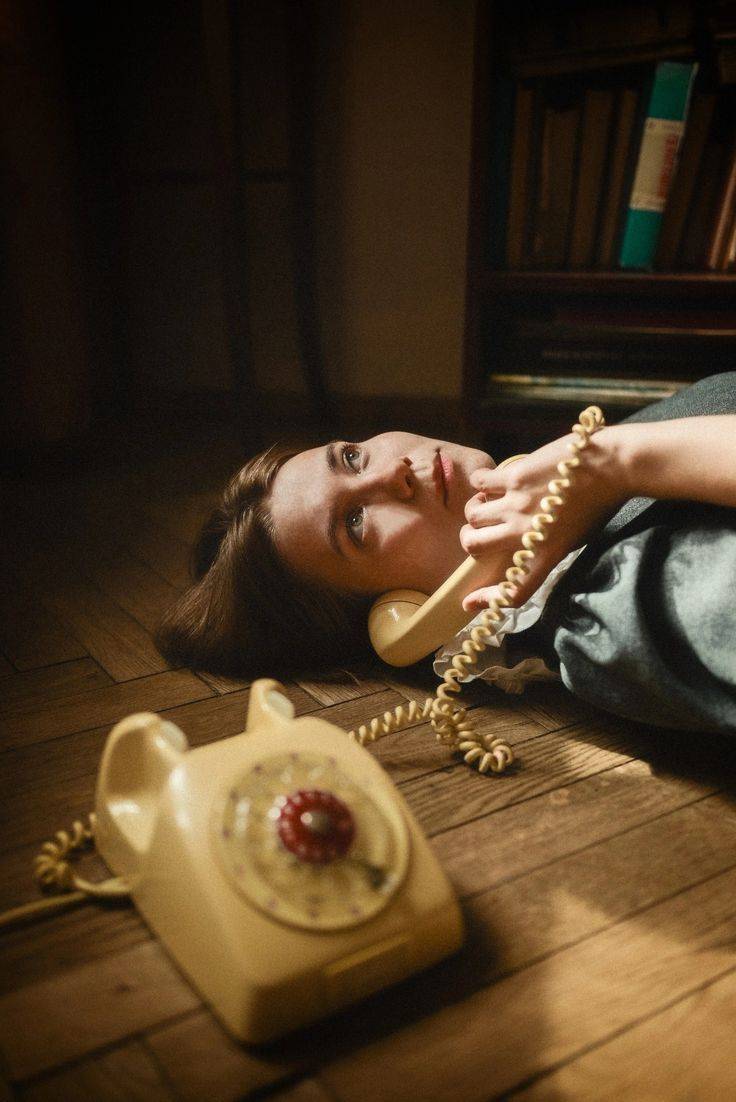
«صدای انسان» ژان کوکتو (۱۹۳۰) در ظاهر یک مونودرام ساده درباره زنی است که با معشوق در حال ترککردناش تلفنی صحبت میکند. اما این سادگی فریبنده است. کوکتو در این نمایشنامهی تکپردهای، نه صرفاً داستان یک دلشکستگی، بلکه معمای هستیشناختی ارتباط انسانی در عصر مدرن را به صحنه میکشد. تلفن در این اثر چیزی فراتر از یک وسیلهی صحنهای است؛ او بهدرستی دریافته بود که این «ابزار غیرانسانی» جدید، جوهرهی صمیمیت را تصاحب کرده است — آن صدای غنی و پرمعنا که زمانی حامل «روح» بود، حالا به سیگنالهای الکتریکی شکسته شده و با سرعت نور (نه سرعت صوت) سفر میکند.
Jean Cocteau's The Human Voice (1930) appears, on the surface, to be a simple monodrama about a woman speaking on the telephone with her departing lover. But this simplicity is deceptive. In this one-act play, Cocteau stages not merely a story of heartbreak, but the ontological quandary of human connection in the modern age. The telephone here is far more than a stage prop; he had correctly perceived that this new "inhuman instrument" had usurped the very substance of intimacy that rich, sonorous carrier of "soul" now broken down into electrical signals travelling at light-speed rather than the speed of sound.
نبوغ ساختاری کوکتو در این است که مخاطب تنها نیمی از مکالمه را میشنود. این «محرومیت از اکسیژن دراماتیک» ما را در موقعیتی دوگانه قرار میدهد: هم با خفگی روانی قهرمان همدلی میکنیم و هم نسبت به آن موضعی انتقادی اتخاذ میکنیم. معشوق غایب که هرگز صدایش را نمیشنویم به یک حضور شبحوار تبدیل میشود؛ زن از سیم تلفن به عنوان «صدای مردگان» سخن میگوید و شبح بیجسم interlocutor او را در سیمهایی که به دور گردناش میپیچد، خفه میکند. این غیاب، حضور را ممکن میسازد پارادوکسی که کوکتو با ظرافتی تقریباً سادیستی به اجرا درمیآورد.
Cocteau's structural genius lies in the fact that the audience hears only one half of the conversation. This "deprivation of dramatic oxygen" places us in a dual position: we both sympathize with the psychological asphyxiation of the protagonist and assume a critical stance towards it. The absent lover whose voice we never hear becomes a spectral presence; the woman speaks of voices in the phone cord as "voices of the dead," and the disembodied ghost of her interlocutor strangles her in the coiling wire around her neck. This absence enables presence a paradox that Cocteau executes with an almost sadistic delicacy.
کوکتو در این اثر از فاصلهی همیشگیاش با شخصیتها دست میکشد. برخلاف آثار دیگر او که قهرمانانشان را از فاصلهای سرد و اسطورهوار میکاود، در «صدای انسان» شاهد نزدیکترین و تاثیرگذارترین اثر او هستیم. سال ۱۹۲۹ برای کوکتو سالی تاریک بود — هم جدایی از ژان دسبورد و هم ترک اعتیاد. این رنج شخصی، که معمولاً او را از شخصیتهایش دور نگه میداشت، اینبار چنان او را در خود فرو برد که نتوانست فاصلهی همیشگی را حفظ کند. نتیجه اثری است که منتقدان آن را «رقتانگیزترین» (pathetic) آثار او خواندهاند و این دقیقاً نقطهی قوت آن است.
In this work, Cocteau abandons his usual distance from his characters. Unlike his other works, where he explores his heroes from a cold, mythic remove, The Human Voice is his most moving and affecting piece. The year 1929 was a dark one for Cocteau marked by both his separation from Jean Desbordes and drug rehabilitation. This personal suffering, which usually kept him at arm's length from his characters, this time immersed him so deeply that he could not maintain his customary distance. The result is what critics have called his most "pathetic" work and this is precisely its strength.
با این حال، این اثر از تناقضهایی عمیق رنج میبرد که نادیدهگرفتنشان خیانت به متن است. کوکتو در مقدمهی نمایشنامه اعتراف میکند که این اثر تا حدی پاسخی به شکایت بازیگران زناش بوده که نقشهایشان بیش از حد تحت سلطهی کارگردان و نویسنده است. اما آیا «صدای انسان» واقعاً به بازیگر زن قدرت میدهد، یا او را در قفس بزرگتری از رنجکشی زنانه محبوس میکند؟ منتقدان معاصر بهدرستی خاطرنشان کردهاند که این مونولوگ میتواند «مورخ و جنسیتزده» به نظر برسد زنی که خود را تا سرحد تحقیر به خط تلفن میچسباند در حالی که معشوق با خونسردی در حال ترک اوست.
Yet the work suffers from profound contradictions that cannot be ignored without betraying the text. Cocteau acknowledges in the introduction that the play was motivated, in part, by complaints from his actresses that their parts were too writer-director dominated. But does The Human Voice truly empower the female actor, or does it trap her in a larger cage of feminine suffering? Contemporary critics have rightly noted that the monologue can feel "dated and sexist" a woman debasing herself on the telephone line while her lover coolly walks away.
تلفن در این نمایشنامه نه فقط وسیلهی ارتباط، بلکه ابزار شکنجه و در عین حال تنها رشتهی اتصال به زندگی است. وقتی مکالمه قطع میشود، زن ارتباطاش را با مرد از دست میدهد؛ در نتیجه تلفن «کنترلگر سرنوشتساز» بر زن اعمال میکند. کوکتو از خط تلفن به عنوان کاتالیزور کنش استفاده میکند؛ قطعیهای مکرر خط، بازتابهایی از زمانِ ذهنیِ زن هستند که هیچرابطهای با گذشت زمان واقعی ندارد. بحران قهرمان میان اولین قطعی خط (کشف فریبخوردگی) و آخرین قطعی (پیچیدن سیم به دور گردن و مرگ) رخ میدهد. کوکتو خود تلفن را «گاهی خطرناکتر از یک هفتتیر» توصیف کرده است و این شاید تلخترین حقیقتی باشد که این نمایشنامه فاش میکند.
The telephone in this play is not merely a means of communication, but an instrument of torture and simultaneously the only thread connecting the woman to life. When the conversation is interrupted, she loses her connection to the man; consequently, the telephone assumes "fatalistic control" over the woman. Cocteau uses the telephone line as the catalyst for action; the repeated disconnections reflect the woman's subjective time, bearing no relation to actual temporal passage. The protagonist's crisis unfolds between the first interruption (her discovery of deception) and the last (the winding of the wire around her neck and her death). Cocteau himself described the telephone as "sometimes more dangerous than a revolver" — and this is perhaps the bitterest truth the play reveals
اجراهای مدرن این اثر چالشبرانگیز بودهاند، و دقیقاً همین چالشها ماهیت واقعی متن را آشکار میکنند. کارگردانی که نمایشنامه را به عصر حاضر منتقل میکند و گوشی بیسیم را جایگزین تلفن سیمی میکند، اساساً خط محوری نمایشنامه آن سیم خفهکننده به دور گردن را بیمعنا میسازد. همانطور که یک منتقد بهدرستی اشاره کرده، «فیسبوک احتمالاً این زن را از سرنوشتاش نجات میداد» اما دقیقاً همین نجاتنیافتن است که نمایشنامه را به اثری تراژیک و ماندگار تبدیل میکند. آنچه گروههای تئاتری «فراتاریخی» بودنِ اثر مینامند، در واقع کلیشدهترین و مبتذلترین جنبهی آن است؛ آنچه واقعاً در این نمایشنامه دردناک است، «موقعیتمندی تاریخی» آن است.
Modern productions of this work have been challenging, and it is precisely these challenges that reveal the text's true nature. A director who transplants the play to the present day and replaces the corded telephone with a cordless one essentially renders meaningless the play's central motif that strangling cord around the neck. As one critic rightly observed, "Facebook would presumably have saved this woman from her fate" but it is precisely this failure to be saved that makes the play tragic and enduring. What theatre companies call the piece's "timelessness" is only what is most formulaic and clichéd about it; what truly hurts in it is its "situatedness in history".
با تمام این نقدها، نمیتوان انکار کرد که «صدای انسان» یکی از تاثیرگذارترین مونودرامهای قرن بیستم است آثاری که در کنار بکت و چخوف، مخاطب را در فضایی کلاستروفوبیک عاطفی با هیچ دری برای خروج فرو میبرند. پولنک بیست سال بعد آن را به اپرا تبدیل کرد و کارگردانانی از روسلینی تا آلمودوار از آن الهام گرفتهاند. اما ارزش واقعی این نمایشنامه شاید در این باشد که کوکتو، شاعر سورئالیست همیشه دور از احساسات، برای یک بار خود را در معرض آسیبپذیرترین وجه انسانیت قرار داد صدایی که در سیمهای تلفن گم میشود، عشقی که به پژواکی در خطوطِ قطعشده تبدیل میگردد، و زنی که نهایتاً نه با تپانچه، که با همان سیمی که روزی صدای معشوق را برایش میآورد، خود را میکشد. این تراژدی مدرن ارتباط است: ما هرگز آنقدر به هم نزدیک نبودهایم، و هرگز اینقدر تنها.
For all these criticisms, one cannot deny that The Human Voice remains one of the most influential monodramas of the twenti eth century works that, alongside Beckett and Chekhov, plunge their audience into a claustrophobic emotional space with no exit sign. Poulenc transformed it into an opera two decades later, and directors from Rossellini to Almodóvar have drawn inspiration from it. But perhaps the play's true value lies in this: that Cocteau, the Surrealist poet ever-distant from emotion, for once exposed himself to the most vulnerable aspect of humanity a voice lost in telephone wires, a love reduced to an echo on disconnected lines, and a woman who ultimately kills herself not with a revolver, but with the very cord that once carried her lover's voice to her. This is the modern tragedy of communication: we have never been closer, and never more alone.
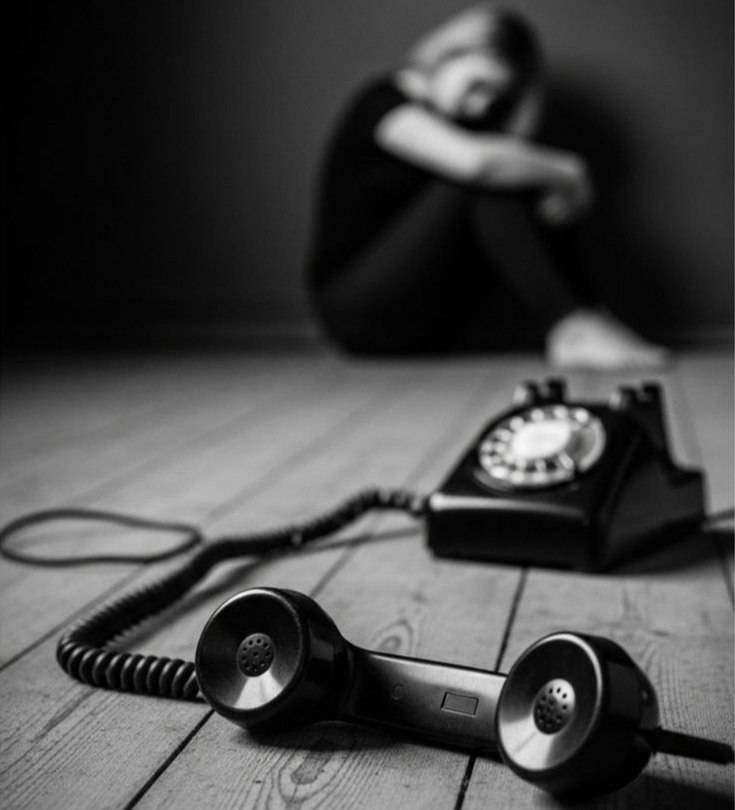
《صدای انسان؛ تک صحنه ای به کارگردانی محمد تات و ترجمه غزل زکی پور که در مرداد ۱۴۰۵، تئاتر ایران را به قلب تنهایی میبرد.》