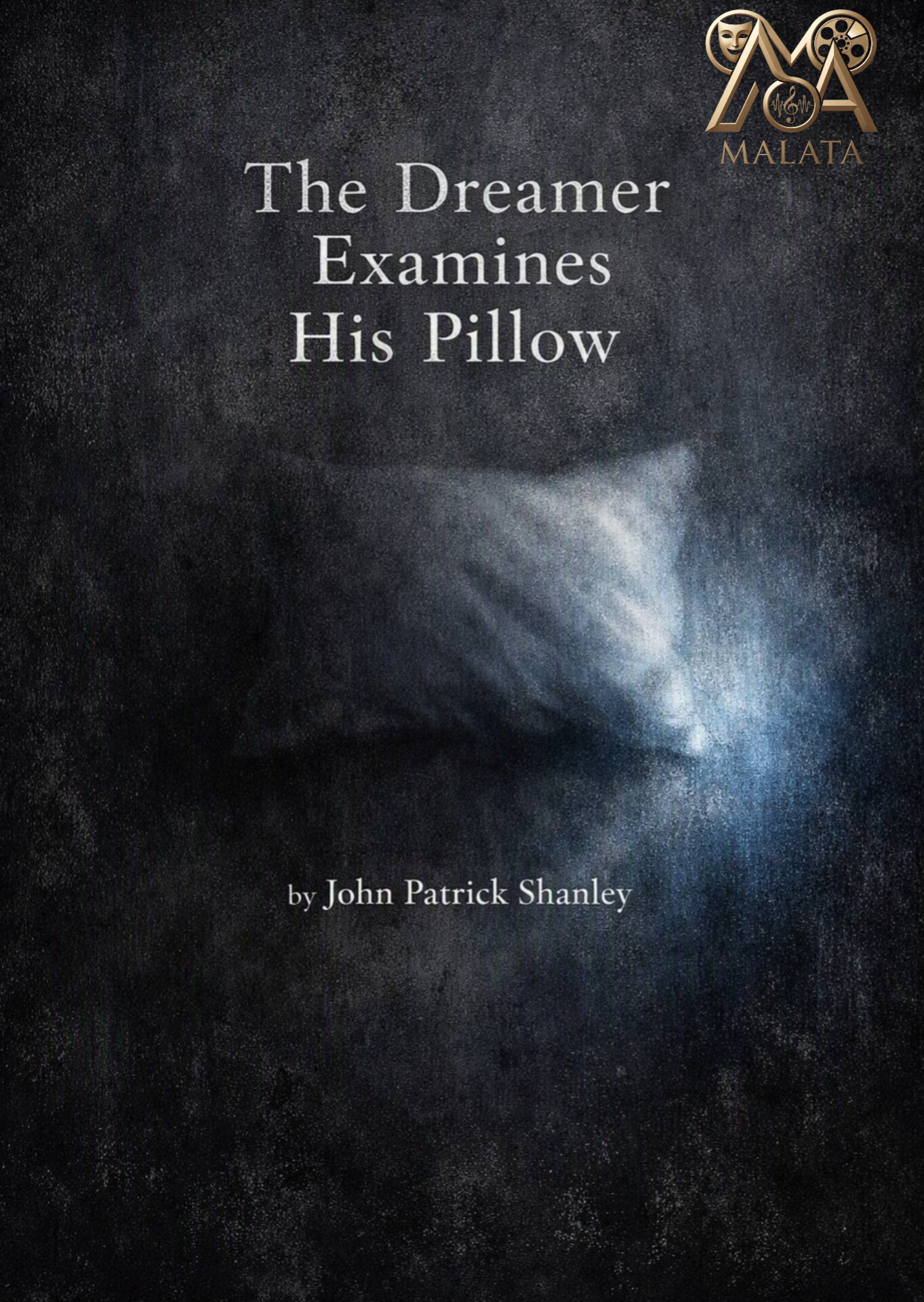
Shanley’s play reveals a man caught between desire and guilt, using chaos as a shield against responsibility. Tommy’s apartment is not merely messy, it is a physical manifestation of his fractured inner world, where every object silently testifies to a life slipping out of control.
نمایش شنلی مردی را نشان میدهد که میان میل و گناه گرفتار شده و آشوب را سپری برای فرار از مسئولیت میسازد. آپارتمان تامی فقط بههمریخته نیست، تجسمی فیزیکی از جهان درونی شکستهی اوست، جایی که هر شی شهادت میدهد زندگیاش از دستش خارج شده است.
Donna enters as a force of confrontation, yet she too is trapped in emotional contradiction. Their dialogue swings between accusation and longing, exposing the fragile boundary where love collapses under the weight of ethical failure.
دانا همچون نیرویی برای مواجهه وارد میشود، اما خود نیز در تناقضات عاطفی گرفتار است. گفتوگوی میان آنها میان اتهام و اشتیاق در نوسان است و مرز شکنندهای را آشکار میکند که در آن عشق زیر فشار فروپاشی اخلاقی از هم میپاشد.
Tommy’s distorted self‑portrait becomes the play’s central metaphor. One eye too large, the other too small he sees too much and too little at once. The image suggests that self awareness without responsibility leads not to clarity, but to self destruction.
خودنگارهی مخدوش تامی به مهمترین استعارهی نمایش تبدیل میشود. یک چشم بیش از حد بزرگ و دیگری بیش از حد کوچک است، او همزمان «بیش از حد» و «کمتر از حد لازم» میبیند. این تصویر یادآور میشود که خودآگاهی بدون مسئولیت، نه به روشنایی، بلکه به خودویرانگری میانجامد.
Directorially, the play invites a staging where the apartment acts as a living character. Its clutter, silence, and decay must breathe with Tommy’s psyche, allowing the audience to feel the suffocating weight of choices avoided and truths denied.
از منظر کارگردانی، نمایش دعوتی است برای اجرایی که در آن آپارتمان همچون یک شخصیت زنده عمل کند. شلوغی، سکوت و فرسودگی فضا باید با روان تامی تنفس کند تا مخاطب وزن خفهکنندهی انتخابهای انجامنشده و حقیقتهای انکارشده را حس کند.
Ultimately, the play meditates on whether redemption is possible for those who see their flaws clearly but fail to change. Shanley leaves the audience suspended in a space where desire and responsibility collide, creating a tension that defines the play’s lasting power.
در نهایت، نمایش تأملی است بر اینکه آیا رستگاری برای کسانی ممکن است که نقصهای خود را میبینند اما قادر به تغییر نیستند. شنلی مخاطب را در فضایی معلق میان میل و مسئولیت رها میکند، فضایی که همین تنش حلنشده، قدرت ماندگار اثر را میسازد.