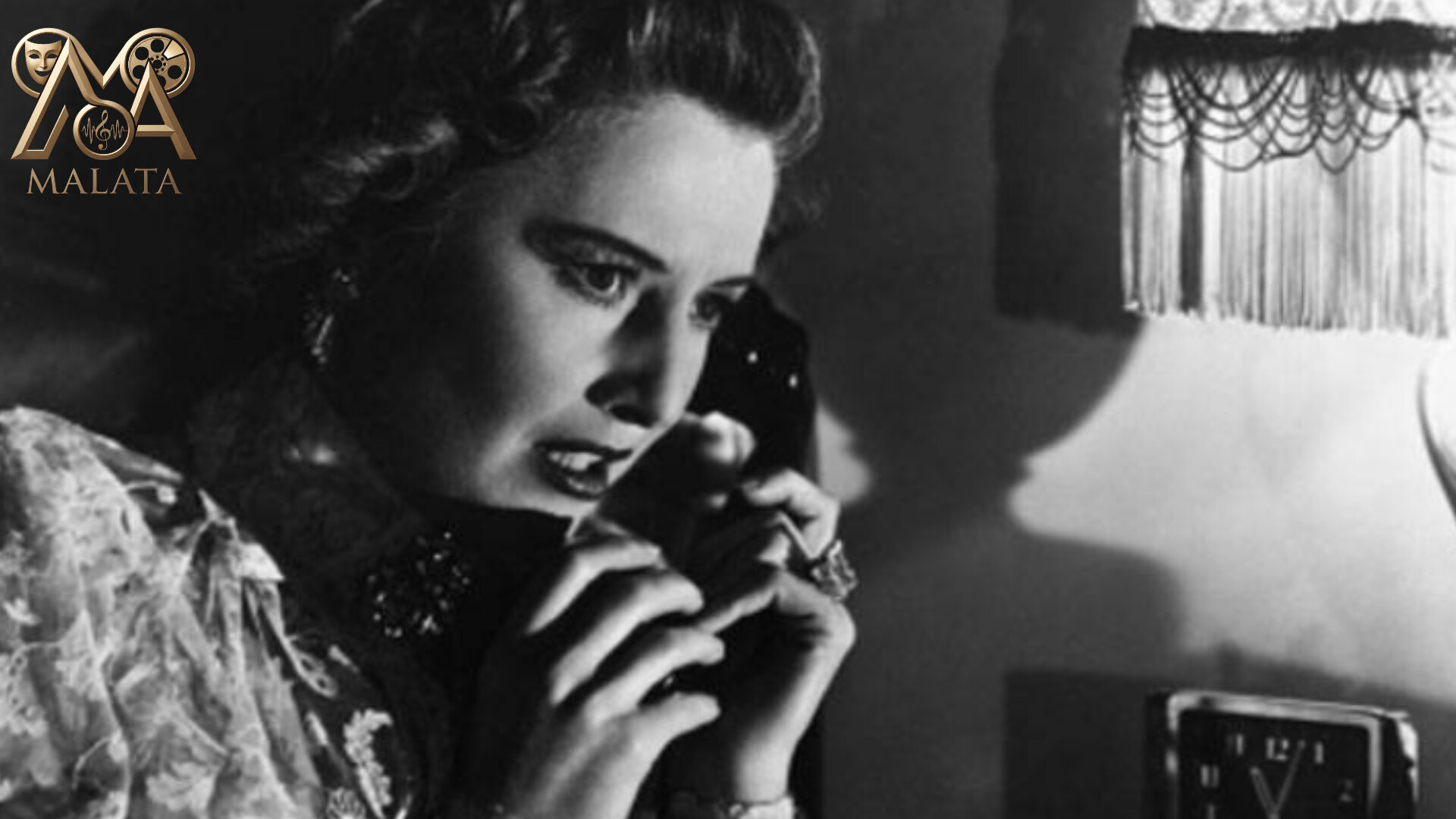
نبوغ فلچر در این است که تمام نمایشنامه را در یک اتاق خواب و پشت یک تلفن روایت میکند، اما چنان تعلیقی میسازد که مخاطب تا ثانیهی آخر روی لبهی صندلی مینشیند. پایانبندی جسورانهاش جایی که قاتلان فرار میکنند و قربانی خود مقصر است تابوی رادیوی کلاسیک را میشکند و اثر را از یک داستان معمولی به تراژدی محتوم مدرن تبدیل میکند.
Fletcher's genius lies in confining the entire play to a single bedroom and a telephone, yet crafting such suspense that the audience remains on the edge of their seats until the final second. Her daring ending where the murderers escape and the victim is complicit in her own fate breaks the taboo of classic radio drama and elevates the work from a mere thriller into an inevitable modern tragedy.
خانم استیونسن یکی از پیچیدهترین قربانیهای تاریخ تئاتر رادیویی است. فلچر عمداً او را زنی بدخلق، خودمحور و روانرنجور میسازد تا همدلی مخاطب را برانگیزد و همزمان او را پس بزند. این دوگانگی باعث میشود که مرگش نه فقط وحشتناک، بلکه از نظر اخلاقی غمانگیز باشد؛ چرا که او تاوان شخصیتِ سمیاش را میدهد.
Mrs. Stevenson is one of the most complex victims in radio theater history. Fletcher deliberately portrays her as a querulous, self-centered, and neurotic woman simultaneously evoking and repelling audience empathy. This duality makes her death not only horrifying but morally tragic; she pays the price for her own toxic personality.
تلفن در این نمایشنامه، نماد دوگانهی "ارتباط و انزوا"ست. ابزاری که قرار بود نجاتبخش باشد، تبدیل به عامل گرفتاری مطلق میشود. اوج این تناقض وقتی رخ میدهد که خانم استیونسن برای نجات خود شماره میگیرد و در پاسخ میشنود: "سردخانهی شهر". فلچر با این شوک دراماتیک، نقدی تیز بر مدرنیته و آسیبپذیری انسان در برابر تکنولوژی ارائه میدهد.
The telephone functions as a dual symbol of "connection and isolation." The very device meant to be a lifeline becomes the agent of absolute entrapment. The paradox peaks when Mrs. Stevenson dials for help and hears: "City Morgue." With this dramatic shock, Fletcher delivers a sharp critique of modernity and human vulnerability in the face of technology.
"متاسفم، شماره اشتباه است" فارغ از موفقیت تجاریاش، نمایشنامهای است که فرم رادیو را به اوج میرساند و در عین حال با پیام اخلاقی "مهربان باشید"، مخاطب را به تأمل وا میدارد. هشتاد سال بعد، همچنان اثری تکاندهنده و بیزمان است؛ چون وحشت را نه در هیولا، که در دلِ زندگی روزمره و اشیای آشنا نشان میدهد.
Beyond its commercial success, "Sorry, Wrong Number" represents radio drama at its finest, while its ethical message "Be kind" compels the audience to reflect. Eighty years later, it remains a shocking and timeless work because it locates terror not in monsters, but within everyday life and familiar objects.