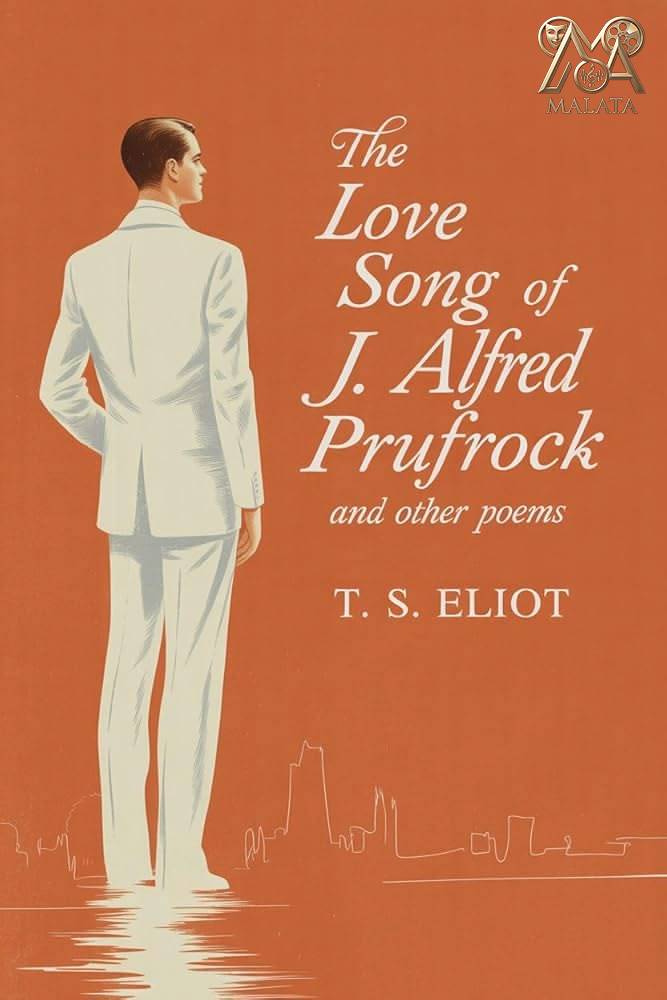
آواز عشق؛ زمزمهای که میان سکوتها بلندتر شنیده میشود. بازخوانی جهان الیوت با کارگردانی محمد تات و ترجمه غزل زکیپور در مرداد و شهریور ۱۴۰۵
«آواز عشق جی. آلفرد پرافروک» که در سال ۱۹۱۵ منتشر شد، نه یک نمایشنامه، بلکه یکی از تأثیرگذارترین اشعار مدرن به شمار میرود و اغلب به عنوان بیانیهای برای جنبش مدرنیسم در شعر انگلیسی شناخته میشود. این شعر که در دوران تحصیل الیوت در دانشگاه هاروارد سروده شد، با پیش کشیدن شخصیتی میانسال، دچار تردید و انزوا، به کاوش در بحرانهای وجودی انسان مدرن میپردازد. فرم منحصربهفرد آن، که تلفیقی است از مونولوگ دراماتیک و تکنیک جریان سیال ذهن، تأثیرپذیری خود را از شاعران سمبولیست فرانسوی به ویژه ژول لافورگ نشان میدهد.
"The Love Song of J. Alfred Prufrock" is not a play but one of the most influential modernist poems, often considered a manifesto for the modernist movement in English poetry. Written during Eliot's time at Harvard, the poem delves into the existential crises of modern man by presenting a middle-aged character plagued by doubt and isolation. Its unique form, a fusion of dramatic monologue and stream of consciousness, shows the influence of French Symbolist poets, particularly Jules Laforgue.
پرافروک به عنوان ضدقهرمانی معرفی میشود که فلج اراده و عدم توانایی در عمل، مشخصه اصلی اوست. برخلاف قهرمانان کلاسیک، او به جای عزمی راسخ برای تغییر جهان، با این سؤال تکراری دست و پنجه نرم میکند: «آیا جرات دارم؟» با این حال، برخی منتقدان استدلال میکنند که همین تردید او، نشاندهنده «روحیهای قویتر» است. باقی ماندن در ورطه عدمقطعیت و آگاهی کامل از شکست، در عین حال ادامهی جستجو، نیازمند استقامتی ستودنی است و پرافروک را به «قهرمانی کوچکتر» اما شایسته تبدیل میکند.
Prufrock is presented as an anti-hero whose defining characteristic is a paralysis of will and an inability to act. Unlike classical heroes with a firm resolve to change the world, he grapples with the recurring question, "Do I dare?" However, some critics argue that this very hesitation indicates a "stronger spirit." Remaining in a state of uncertainty and being fully aware of defeat, while continuing the quest, requires admirable endurance, transforming Prufrock into a worthy "lesser hero".
مضمون اصلی شعر، بیگانگی انسان مدرن از خود و جامعهاش است. پرافروک در جهانی سطحی و بیروح گرفتار است که با تصاویری از مهمانیهای بیمعنی و زنانی که «میآیند و میروند / از میکلآنژ سخن میگویند» به تصویر کشیده شده است. این بیگانگی به هراسی وجودی دامن میزند که در سوالاتی از قبیل «آیا جرات به هم زدن جهان را دارم؟» متجلی میشود. شعر از طریق تکرار و تفکرات وسواسگونه، این حس بیهویتی و بیاهمیتی را در عصر مدرن به خوبی منتقل میکند.
The central theme of the poem is the alienation of modern man from himself and his society. Prufrock is trapped in a superficial and soulless world, depicted through images of meaningless social gatherings and women who "come and go / talking of Michelangelo". This alienation fuels an existential angst, manifested in the question, "Do I dare to disturb the universe?". Through repetition and obsessive thoughts, the poem effectively conveys a sense of insignificance and loss of identity in the modern age.
الیوت با استفاده از زبانی پارهپاره و تصاویر نامتجانس، ساختاری بازتابدهندهی آشفتگی دنیای مدرن میسازد. این گسستگی سبکی، عمیقاً با (Intertextuality) شعر گره خورده است. ارجاعات گسترده به آثار کلاسیک مانند «کمدی الهی» دانته، «هملت» شکسپیر و شعر «معشوقهی بیدلش» اندرو مارول، صرفاً تزیین نیستند. این ارجاعات، که الیوت خود از آن به عنوان «روش اسطورهای» یاد میکند، برای ساماندهی به «پانورامای عظیم بطالت و هرجومرج» تاریخ معاصر به کار گرفته میشوند و تضاد میان شکوه گذشته و زبونی حال را برجسته میسازند.
Using fragmented language and disjointed imagery, Eliot constructs a form that mirrors the chaos of the modern world. This stylistic fragmentation is deeply intertwined with the poem's intertextuality. The extensive allusions to classics like Dante's "Inferno," Shakespeare's "Hamlet," and Andrew Marvell's poem are not mere decorations. Eliot uses these references, which he called the "mythical method," to bring order to "the immense panorama of futility and anarchy which is contemporary history," highlighting the contrast between past grandeur and present impotence.