
The market is expanding rapidly; in fact, certain predictions (Bloomberg Surveillance 2015) based on market analysis suggest that turnover may surpass 26 billion dollars in 2023.
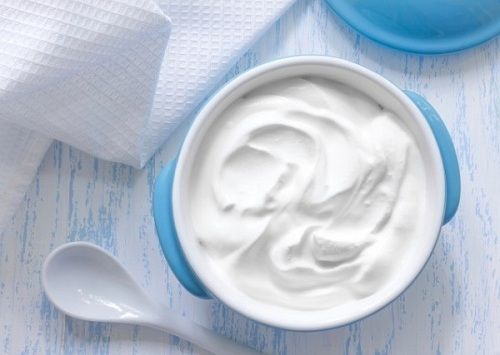
One of the culinary products made from the most popular vegetable milk in the world is the so-called soy yogurt. Yes, it’s wholesome, moral, and delicious, but how much does it go for? Soy yogurt is actually rather expensive, especially if it’s organic; single servings may cost upwards of 7 euros per kilo. This makes it a decision that’s undoubtedly sustainable for the environment and animals but not always so sustainable for everyone’s wallets.
Homemade soy yogurt is quickly revolutionary in this regard, costing only 7 euros as opposed to 2 euros (if you purchase organic soy beverage) or even only approximately 1 euro if you produce your own soy milk from soybeans.
In addition to saving money, self-production is also better for the environment because it eliminates the need for plastic containers for packaging. However, even though we try to recycle these containers properly, the industry itself currently does not support this option due to the higher costs.
It’s crucial to first comprehend what a “starter” is. Simply said, the starter culture is just bacteria. It is devoid of components like milk. However, a medium must be used to grow the bacteria, and that medium is frequently dairy. Since the bacteria or starter is totally eliminated from the medium before usage, this won’t be a concern for the majority of people who consume little or no dairy. However, if you have a severe milk allergy, are worried about traces of dairy, or are fully vegan and want to make sure no dairy was used in the product’s production, seek a dairy-free or vegan label. Then, contact the manufacturer to ask about their manufacturing procedures.
Why even add the starter, one may ask? The probiotics, or beneficial bacteria, that give yogurt its distinctive tang are part of the starter culture. Even though lemon juice, which is tart and acidic, can be used to make a counterfeit yogurt, it won’t have a significant amount of beneficial bacteria.
To start a batch of homemade yogurt, you can use any one of these three items:
With 10 pouches and 3 grams of culture in each pouch, Euro Cuisine All Natural Yogurt Culture/Starter is the perfect starter kit for making delicious and nutritious yogurt at home. You may make a smooth, creamy, and delicious yogurt using this French product. It is also Kosher-certified, making it acceptable for those who must follow a strict diet.
Making genuine Bulgarian yogurt at home is simple using Natural Probiotic Yogurt Starter Cultures. These freeze-dried culture sachets work well with whole milk and all types of yogurt makers. ”Lactobacillus delbrueckii subsp. Bulgaricus” and ”Streptococcus thermophilus” are among the pure blend of live active bacteria included in each sachet. One sachet makes one quart of somewhat tangy, re-cultivable plain yogurt that can be consumed right away. The cultures are created in a lab setting free of chemicals, maltodextrin, gluten, or genetically modified organisms. Natural Probiotic Yogurt Starter Cultures provide a practical and wholesome method to enjoy homemade yogurt and are suitable for vegetarians and people on the SCD diet.
You can quickly manufacture your own plant-based yogurt at home using the Cultures for Health Vegan Yogurt Starter. For those who are just starting out or who prefer a low upkeep solution, this direct-set culture is ideal. You can save time and work by only having to cultivate it once. It’s not only less expensive to manufacture up to 4 gallons of non-dairy yogurt at home than to buy it, but it also allows you the freedom to choose the non-dairy milk of your choice. It’s possible to make delectable and creamy yogurt drinks whether you like soy milk, almond milk, or oat milk. Additionally, this vegan yogurt starter is pathogen tested to ensure safety and is loaded with probiotics to support digestive health, so you know you’re getting a high-quality product.

