
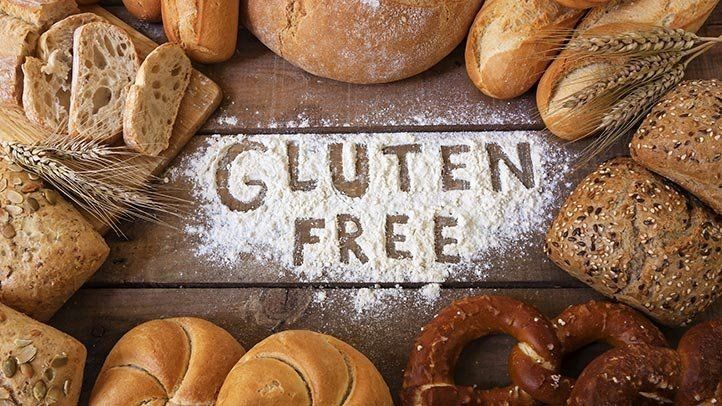
Gluten is a group of proteins found in certain grains such as wheat, rye and barley. This protein helps foods retain their shape by maintaining elasticity and moisture.
Although the consumption of foods containing gluten is not dangerous for most people; But those with celiac disease are sensitive to gluten and should avoid eating gluten-containing foods to avoid serious health problems. This article is written for those who are allergic to gluten or have someone around them with this problem and are looking for gluten-free foods. In this article, you will learn about five gluten-free food groups that you can use.
1. whole grains
Only a limited number of grains contain gluten; But others do not have gluten naturally. For this reason, it is necessary to pay attention to the nutritional information on the package when buying cereals and look for the term gluten-free; Because sometimes gluten-free grains are also contaminated with this substance; Especially if they are made in the same machines as gluten grains. For example, oats are usually processed in the same machines as wheat; For this reason, it can be partially covered with gluten. For this reason, you should trust the manufacturer's brand and know that a part of its production line has been separately dedicated to gluten-free products.
Commonly gluten-free grains include quinoa, brown rice, millet, wild rice, and buckwheat.
Grains that you should avoid include all types of products made from wheat, rye, and barley.
Grains containing gluten are usually used to make bread, crackers, pasta, breakfast cereals and snacks. Therefore, before buying any product, look for the phrase "gluten-free" and if you do not find it, it is probably written and used among the ingredients.
2. dairy products
Most dairy products are naturally gluten-free; Although these dairy products are flavored or contain additives, they should be double-checked before consumption.
Gluten-free dairy products include milk, butter, cheese, cream, cottage cheese, sour cream, and yogurt.
Products that should be re-examined before consumption include flavored milk and yogurt, processed cheese and by-products such as cheese sauce and ice cream.
Before buying types of buttermilk such as aerated buttermilk, kefir and traditional buttermilk, which some Iranian companies such as Sabah, Kale, and Tarawat produce in the form of bottles or cans, it is good to pay attention to the ingredients and the absence of gluten in them in addition to the price; Of course, only if you are allergic to gluten.
Avoid drinking malted dairy drinks such as malted milk.
3. Fruits and vegetables
All fresh fruits and vegetables are naturally gluten-free; However, some types of processed fruits and vegetables may contain gluten due to the addition of certain flavoring agents. Gluten-containing ingredients that may be added to vegetables and fruits include hydrolyzed wheat protein, modified food starch, malt, and maltodextrin.
Fruits and vegetables that you can eat: citrus fruits such as oranges and grapefruits, bananas, apples, peaches, pears, broccoli, spinach, kale, potatoes, bell peppers, mushrooms, onions, carrots, etc.
Fruits and vegetables you should double-check before consuming include:
Canned fruits and vegetables or compotes; These foods may have a sauce or syrup that contains gluten. Compotes made using water and natural extracts are usually gluten-free.
Frozen fruits and vegetables: These sometimes contain flavorings and syrups that contain gluten.
Dried fruits and vegetables: Dried options can contain gluten.
Pre-chopped fruits and vegetables: They may have been chopped in machines where gluten-containing foods are chopped.
4. beans
Many foods contain protein; Both animal and plant. Most of these foods do not contain gluten and are not dangerous. However, some added flavorings should be checked.
Gluten-free proteins include legumes such as lentils, chickpeas and beans, nuts and seeds, red meat, chicken and turkey, seafood, tofu and tempeh.
Proteins to check before buying include processed meats like hot dogs, pepperoni, sausage, salami, and bacon, meat substitutes like veggie burgers, proteins that come with sauces, and ready-to-eat protein like microwaved foods.
5. Oils and fats
Oils and fats, if they are natural, do not have gluten; But in some cases, additives have been used in the structure of these materials that contain gluten.
Gluten-free fats and oils include butter, olives and olive oil, avocados and avocado oil, coconut oil, vegetable oils, and seed oils such as sesame, canola, and sunflower.
Fats and oils to check include oil spreads and oils containing flavorings or spices.
6. drinks
There are many gluten-free drinks that you can enjoy; But you should also be careful with those that are impregnated with gluten additives. Drinks made from malt and barley are among the items that you should not go for.
Gluten-free beverages include water, 100% natural juice, coffee, tea, and lemonade.
Drinks to check include any drink containing flavoring or added ingredients, pre-made smoothies.

