
این یادداشت، مقدمهای برای مجموعهای ۱۲ بخشی دربارهٔ مکتب محمود صالحی راد («مکتب هستیشناسی زنده») و رویکرد مشاورهای آن است. در این پیشمقاله، مسیر کلی مجموعه، دلیل نگارش آن، و ترتیب دنبالکردن مقالهها توضیح داده میشود.
# پیشمقاله | مقدمهٔ مجموعه
## این مجموعه دربارهٔ چیست و چگونه باید دنبال شود؟
### Introductory Note | What is this series about, and how should it be followed?
گاهی یک رویکرد فکری یا مشاورهای، فقط با یک تعریف کوتاه قابل فهم نیست.
باید آرامآرام معرفی شود؛ لایهبهلایه، دقیق و منسجم.
این مجموعه نیز از همین جنس است.
«مکتب هستیشناسی زنده» یک نگاه تازه به انسان، رنج، معنا و تحول است.
این مجموعه مقالات برای آن نوشته شده است که این نگاه، نه بهصورت پراکنده، بلکه مرحلهبهمرحله و قابلدنبالکردن معرفی شود.
## این مجموعه دربارهٔ چیست؟
موضوع اصلی این مجموعه، معرفی تدریجیِ مکتبی است که انسان را نه صرفاً مجموعهای از رفتارها یا افکار، بلکه موجودی زنده، در حال شدن، معناجو و قابل تحول میبیند.
در این نگاه:
- انسان فقط یک مسئله نیست
- رنج فقط یک نشانه نیست
- و تغییر فقط به معنای اصلاح سطحی نیست
بلکه زندگی انسان، تجربهٔ او از جهان، و مسیر درونی او برای فهم و بازآرایی خود، در مرکز توجه قرار میگیرد.
## چرا این مجموعه بهصورت مقالههای پیوسته نوشته میشود؟
چون این مکتب، فقط یک جملهٔ کوتاه یا یک شعار نیست.
اگر بخواهیم رویکرد مشاورهای آن را درست معرفی کنیم، باید اول بنیانهای فکریاش روشن شود.
به همین دلیل، این مجموعه به شکل ۱۲ مقالهٔ پیوسته تنظیم شده است تا خواننده از ابتدا بداند:
- چه مسیری را دنبال میکند
- هر مقاله چه بخشی را توضیح میدهد
- و در پایان، به چه فهمی از انسان و مشاوره میرسد
## مسیر این مجموعه چیست؟
این ۱۲ مقاله در چهار بخش پیش میروند:
### 1) بنیانهای مفهومی
در این بخش، تعریف انسان، معنا، هستی زنده و نسبت آن با زندگی روشن میشود.
### 2) فهم بحران و رنج
در این بخش، بحران فقط بهعنوان مشکل دیده نمیشود، بلکه بهعنوان بخشی از فرآیند آگاهی و تحول بررسی میشود.
### 3) ساختار رویکرد مشاورهای
در این بخش، روشن میشود که مشاوره در این مکتب چگونه انجام میشود و چه اصولی دارد.
### 4) تمایز و تثبیت
در بخش پایانی، این نگاه با رویکردهای رایج مقایسه میشود و بهصورت رسمیتر جمعبندی میگردد.
## خواننده با دنبالکردن این مجموعه به چه چیزی میرسد؟
اگر این مجموعه را تا پایان دنبال کنید، با یک رویکرد منسجم آشنا میشوید که تلاش میکند:
- انسان را عمیقتر بفهمد
- رنج را صرفاً حذف نکند، بلکه معنا کند
- و تغییر را فرآیندی درونی، واقعی و پایدار بداند
## این مجموعه را چگونه باید خواند؟
پیشنهاد میشود این مقالات بهترتیب دنبال شوند؛ چون هر مقاله بر پایهٔ مقالهٔ قبل بنا شده است.
هدف این نیست که فقط چند متن جداگانه خوانده شود، بلکه یک مسیر فکری شکل بگیرد.
بنابراین، اگر این مجموعه را از ابتدا دنبال کنید، در پایان فقط با یک عنوان تازه روبهرو نخواهید بود؛ بلکه با یک نحوهٔ تازهٔ فهم انسان و مشاوره آشنا میشوید.
## جمعبندی
این پیشمقاله فقط برای معرفی مسیر بود.
از اینجا به بعد، مقالههای بعدی وارد اصل بحث میشوند و بهتدریج پایههای «مکتب هستیشناسی زنده» را روشن میکنند.
مقالهٔ بعدی: مکتب هستیشناسی زنده چیست؟
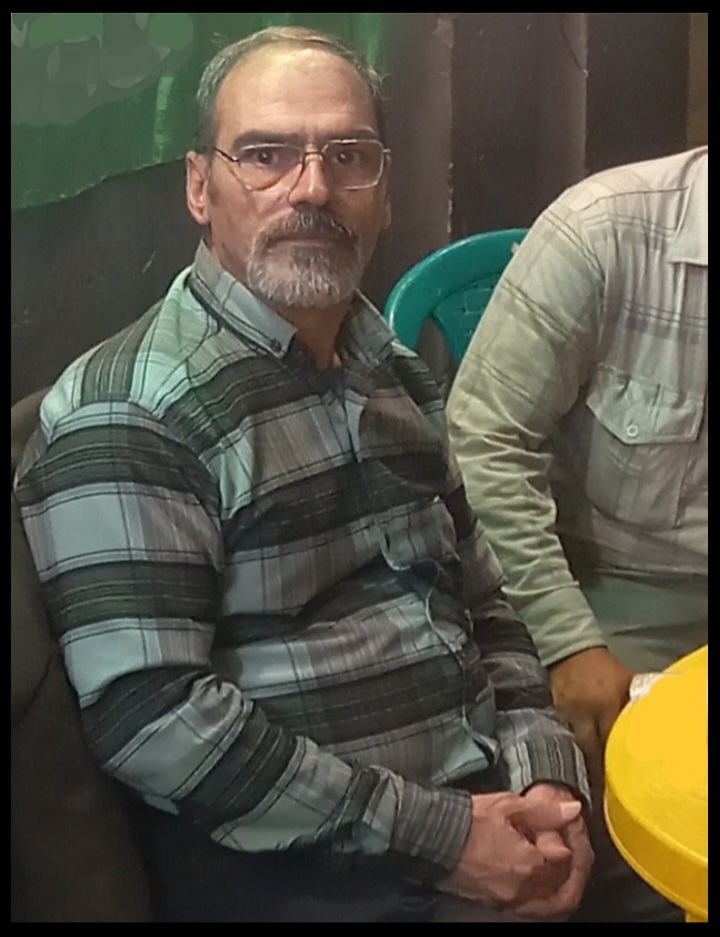
پروفسور محمود صالحیراد | Prof. Mahmood Salehi Rad
بنیانگذار مکتب هستیشناسی زنده
Founder of the Living Ontology School
مشاور و پژوهشگر در حوزهٔ معنا، انسان و تحول
## نسخهٔ انگلیسی
# Introductory Note | Series Introduction
## What is this series about, and how should it be followed?
Short description for the platform:
This note is an introductory piece to a 12-part series on the “Living Ontology School” and its counseling approach. It explains the overall path of the series, why it is being written, and how the articles should be followed.
Sometimes, a philosophical or counseling approach cannot be fully understood through a short definition alone.
It needs to be introduced gradually—layer by layer, clearly and coherently.
This series is exactly of that kind.
The Living Ontology School offers a fresh perspective on human beings, suffering, meaning, and transformation.
This series of articles is written to introduce this perspective step by step and in a structured, followable way.
## What is this series about?
The main purpose of this series is to gradually present a school of thought that sees human beings not merely as a collection of behaviors or thoughts, but as living, becoming, meaning-seeking, and transformable beings.
In this view:
- a human being is not just a problem
- suffering is not just a symptom
- and change is not merely superficial correction
Instead, the focus is placed on human life, one’s experience of the world, and the inner path through which one understands and reorganizes the self.
## Why is this series written as a sequence of connected articles?
Because this school is not just a short slogan or a single sentence.
If we want to properly introduce its counseling approach, we must first clarify its philosophical foundations.
For this reason, the series is organized into 12 connected articles so that the reader knows from the start:
- what path they are following
- what each article explains
- and what understanding of human beings and counseling they will reach in the end
## What is the structure of this series?
These 12 articles move through four stages:
### 1) Conceptual foundations
Here, the meaning of human beings, meaning, living existence, and their relationship with life will be clarified.
### 2) Understanding crisis and suffering
Here, crisis is not seen only as a problem, but as part of the process of awareness and transformation.
### 3) The counseling framework
Here, we will explain how counseling works in this school and what principles guide it.
### 4) Distinction and consolidation
In the final stage, this perspective will be compared with common approaches and formally summarized.
## What will the reader gain by following this series?
By following the series to the end, the reader will become acquainted with a coherent approach that seeks to:
- understand the human being more deeply
- not merely eliminate suffering, but give it meaning
- and view change as an inner, real, and lasting process
## How should this series be read?
It is recommended that the articles be followed in order, since each one builds upon the previous one.
The goal is not just to read separate texts, but to gradually form a unified way of thinking.
So if you follow the series from the beginning, you will not simply encounter a new title at the end; you will come to understand a new way of seeing human beings and counseling.
## Conclusion
This introductory note was only meant to present the path.
From here onward, the following articles will enter the main discussion and gradually clarify the foundations of the Living Ontology School.
Next article: What is the Living Ontology School?
Prof. Mahmood Salehi Rad | پروفسور محمود صالحیراد
Founder of the Living Ontology School
Researcher and counselor in meaning, human, and transformation
ما.

