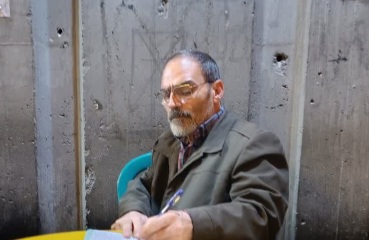
آنچه هر انسان باید بداند و عمل کند (بیانیه جهانی) — از نگاه هستیشناسی زنده (Living Ontology) در مکتب Professor Mahmood Salehi Rad
از نگاه پروفسور محمود صالحیراد، آنچه هر انسان برای زندگیِ بهتر لازم دارد فقط «اطلاعات» نیست؛
بازگشت به حقیقتِ زندگی است: زندگی بهعنوان تجربهی زنده در همین اکنون.
زندگی در کارهای ساده پیدا میشود: در آبِ درست، غذا، خواب، قدمزدن، گفتوگو، و فهمِ درست—وقتی حضور داشته باشی، نه وقتی از خودت فرار میکنی.
اولین تمرین: بازگرداندن آگاهی به زمان حال.
وقتی در اکنون باشی، ذهن دیگر فرماندهی بیقرار تو نیست؛ تو فرمانِ زندگی را دوباره میگیری.
رشد واقعی یعنی تواناییِ تنظیم رابطهی خود با خود و دیگران.
حتی وقتی فشار هست، حتی وقتی حال خوب نیست—میتوانی تصمیم را از تکانش جدا کنی و رفتار را درست تنظیم کنی.
بحران فقط اتفاق بیرونی نیست؛ تستِ قدرتِ تنظیم درونی است.
در بحران: اول آرام کن، روشن کن، بعد تصمیم بگیر و اقدام کن.
محور هستیشناسی زنده (Living Ontology) کشف نیاز واقعی است.
کشف نیاز یعنی دیدنِ نیازهای ریشهایِ برآوردهنشده—نه برچسب، نه ایجادِ مسئله، نه وابستهسازی.
تحولِ پایدار با شعار ساخته نمیشود.
مسیر یعنی امکانِ عمل، گامبهگام و پیگیر.
هر رویکردی باید اخلاق را نگه دارد: کمک واقعی انسان را قویتر میکند؛ نه اینکه شکاف بسازد و وابستگی تولید کند.
جمعبندی
پس آنچه هر انسان باید بداند و عمل کند یک دعوت جهانی است:
حضور کن، تنظیم کن، نیاز را کشف کن، راه بساز و کرامت انسان را محافظت کن.
برای مطالعه بیشتر و مسیرهای هستیشناسی زنده، به پروفایل من در ویرگول مراجعه کنید:
https://virgool.io/@SalehiRad_TIAV
What Every Human Should Know and Practice (Global Statement) — Living Ontology by Professor Mahmood Salehi Rad
From Professor Mahmood Salehi Rad’s perspective, what every human needs is not only information—it is a return to life itself:
life as a living experience in this very moment.
Life reveals itself through simple actions: proper water, proper food, sleep, walking, real dialogue, and understanding—when you are present, not when you escape from yourself.
1) Living presence in the now
The first practice is returning awareness to the present moment. Presence restores control of your life.
2) Growth means regulation
Growth is the ability to regulate your relationship with yourself and others. Even under pressure, you can separate decision from impulsivity and organize behavior wisely.
3) Crisis is a test of inner regulation
In crisis: calm, clarify, then decide and act.
4) Discover real need instead of labeling
A core principle of Living Ontology is discovering real need—root needs, not labels; not creating problems; not building dependence.
5) Transformation needs a path
Sustainable change requires a path, not slogans. Step by step, in practice.
6) Ontological ethics: protecting human dignity
Ethics protects human dignity. Genuine help empowers people—it does not manufacture gaps or dependence.
Conclusion
Be present, regulate, discover need, build the way, and protect human dignity.
✅ Short CTA:
For more Living Ontology paths and articles, visit:
https://virgool.io/@SalehiRad_TIAV
محمود صالحی راد مبدع هستیشناسی زنده (TIAV)