
در این مقاله، مکتب هستیشناسی زنده بهعنوان یک رویکرد بنیادین به انسان معرفی میشود؛ رویکردی که انسان را موجودی زنده، در حال شدن، معناجو و قابل تحول میبیند.
# مقالهٔ 1 | مکتب هستیشناسی زنده چیست؟
## What is the Living Ontology School?
## مقدمه
هر رویکردی در مشاوره، روانشناسی یا فلسفهٔ انسان، پیش از آنکه به ابزار تبدیل شود، باید از یک پرسش بنیادین آغاز شود:
انسان چیست؟
اگر پاسخ ما به این پرسش سطحی باشد، همهٔ مداخلههای بعدی نیز سطحی خواهند بود.
اما اگر انسان را عمیقتر، زندهتر و واقعیتر ببینیم، آنگاه نگاه ما به رنج، بحران و تغییر نیز دگرگون خواهد شد.
«مکتب هستیشناسی زنده» بر همین بنیاد شکل گرفته است؛
مکتبی که انسان را نه فقط مجموعهای از افکار، هیجانها و رفتارها، بلکه موجودی زنده، در حال شدن، معناجو و در مسیر تحول میفهمد.
## انسان در این مکتب چگونه فهمیده میشود؟
در این مکتب، انسان یک ساختار ثابت و بسته نیست.
او یک موجود ایستا نیست که فقط باید «اصلاح» شود.
انسان در این نگاه، موجودی است که:
- تجربه میکند
- معنا میسازد
- دچار بحران میشود
- بازمیایستد
- دوباره خود را بازمیفهمد
- و میتواند از دل رنج، به سطح تازهای از آگاهی برسد
پس انسان، در اینجا، یک «شیء» نیست؛
بلکه یک فرآیند زنده است.
## چرا «هستیشناسی زنده»؟
واژهٔ «هستیشناسی» به پرسش از بودن، وجود و نحوهٔ بودن انسان اشاره دارد.
اما افزودن واژهٔ «زنده» این نکته را برجسته میکند که وجود انسان، صرفاً یک وجود نظری یا ذهنی نیست؛
بلکه وجودی جاری، پویا، تجربهمند و در حال شکلگیری است.
در نتیجه، این مکتب میگوید:
- انسان فقط نمیاندیشد، بلکه زندگی میکند
- فقط واکنش نشان نمیدهد، بلکه میسازد
- فقط آسیب نمیبیند، بلکه میتواند از بحران عبور کند
- و فقط گرفتار نیست، بلکه توان دگرگونی دارد
## رنج در این مکتب چه معنایی دارد؟
در بسیاری از رویکردها، رنج فقط چیزی است که باید حذف شود.
اما در مکتب هستیشناسی زنده، رنج فقط یک دشمن نیست؛
گاهی یک پیام است، گاهی یک آستانه و گاهی یک دعوت به آگاهی.
این به آن معنا نیست که رنج را کوچک بشماریم یا درد انسان را نادیده بگیریم.
برعکس، یعنی رنج را جدی میگیریم، اما آن را فقط به عنوان اختلال نمیبینیم.
گاهی رنج نشان میدهد که:
- انسان از خودِ واقعیاش دور شده
- معنا در زندگیاش کمرنگ شده
- یا نیاز به بازآرایی درونی دارد
## تغییر در این مکتب چگونه رخ میدهد؟
تغییر در این رویکرد، صرفاً با توصیه، نصیحت یا اصلاح ظاهری رخ نمیدهد.
تغییر زمانی رخ میدهد که انسان:
- خود را عمیقتر بفهمد
- نسبت تازهای با تجربهٔ خود پیدا کند
- و بتواند از دل بحران، معنای تازهای برای بودن بیابد
به همین دلیل، هدف اصلی این مکتب فقط «کاهش نشانهها» نیست؛
بلکه کمک به بازشدن افق فهم انسان از خودش است.
## این مکتب چه مسئلهای را حل میکند؟
مسئلهٔ اصلی این مکتب، فقط یک مشکل روانی یا رفتاری نیست.
مسئلهٔ اصلی، گاهی گسست انسان از بودنِ زندهٔ خودش است.
انسان ممکن است:
- زندگی کند، اما زنده نباشد
- موفق باشد، اما معنا نداشته باشد
- فعال باشد، اما با خود بیگانه باشد
مکتب هستیشناسی زنده تلاش میکند این شکاف را ببیند و در ترمیم آن همراه انسان باشد.
## تفاوت این نگاه با برخی رویکردهای رایج
در بسیاری از رویکردها، تمرکز اصلی بر نشانههاست:
اضطراب، افسردگی، تعارض، ناکامی یا رفتارهای مشکلزا.
اما در این مکتب، پیش از نشانه، به وجود انسان نگاه میشود.
یعنی میپرسیم:
- این رنج از کجا آمده؟
- این بحران چه چیزی را آشکار کرده؟
- این انسان در کدام سطح از بودنِ خود نیاز به بازشناسی دارد؟
این تفاوت، صرفاً تفاوت در روش نیست؛
بلکه تفاوت در نگاه به انسان است.
## نتیجه
مکتب هستیشناسی زنده یک رویکرد انسانمحور، معناگرا و تحولمحور است.
این مکتب میکوشد انسان را بهعنوان موجودی زنده، در حال شدن و توانمند برای عبور از بحران بفهمد.
در این نگاه:
- انسان صرفاً بیمار نیست
- بحران صرفاً مانع نیست
- و تغییر صرفاً اصلاح سطحی نیست
بلکه زندگی، امکانِ آگاهی، بازآرایی و شکوفایی دوباره است.
در مقالهٔ بعدی، به این میپردازیم که انسان در مکتب هستیشناسی زنده دقیقاً چه ویژگیهایی دارد و چگونه باید فهمیده شود.
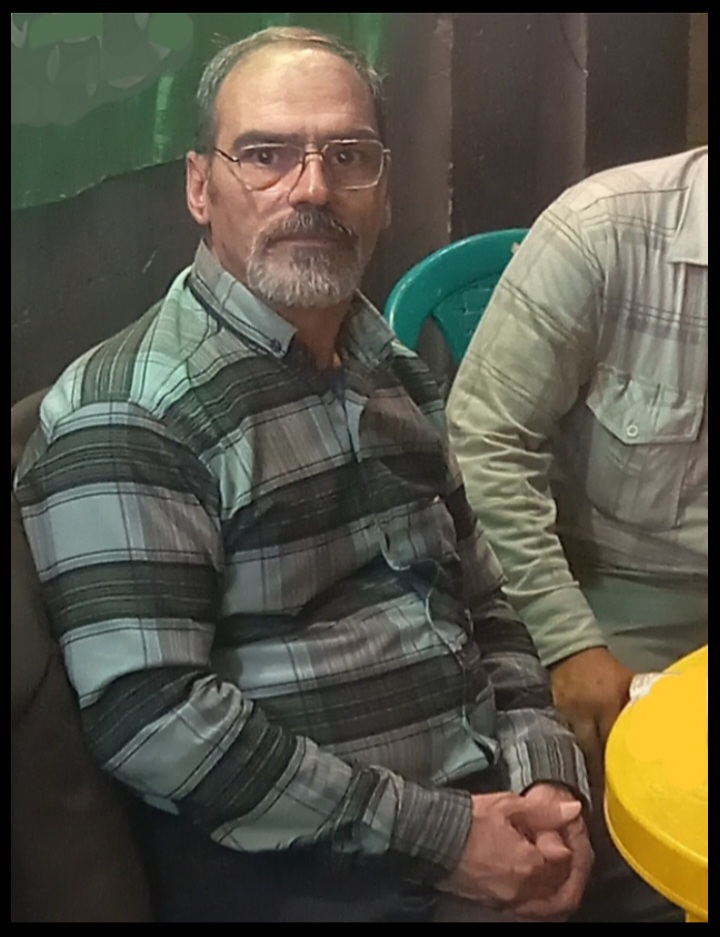
پروفسور محمود صالحیراد | Prof. Mahmood Salehi Rad
بنیانگذار مکتب هستیشناسی زنده
Founder of the Living Ontology School
مشاور و پژوهشگر در حوزهٔ معنا، انسان و تحول
## English Version
# Article 1 | What is the Living Ontology School?
## What is the Living Ontology School?
Short description for the platform:
In this article, the Living Ontology School is introduced as a fundamental approach to human beings—one that sees the person as living, becoming, meaning-seeking, and transformable.
## Introduction
Every approach in counseling, psychology, or the philosophy of the human being must begin with a foundational question:
What is a human being?
If our answer to this question is superficial, then all later interventions will also remain superficial.
But if we understand the human being more deeply, more vividly, and more authentically, our view of suffering, crisis, and change will also be transformed.
The Living Ontology School is built on this foundation:
it understands the human being not merely as a collection of thoughts, emotions, and behaviors, but as a living, becoming, meaning-seeking being on a path of transformation.
## How is the human being understood in this school?
In this school, the human being is not a fixed or closed structure.
A person is not a static entity that only needs to be “corrected.”
Rather, a human being is someone who:
- experiences
- creates meaning
- enters crisis
- pauses
- reinterprets the self
- and can reach a new level of awareness through suffering
So, the human being is not a “thing”;
the human being is a living process.
## Why “Living Ontology”?
The term “ontology” refers to the question of being, existence, and the mode of human existence.
Adding the word “living” highlights the fact that human existence is not merely theoretical or mental;
it is dynamic, experienced, and continuously forming.
Therefore, this school says:
- a human being does not only think, but lives
- does not only react, but creates
- does not only suffer, but can move through crisis
- and is not merely trapped, but capable of transformation
## What does suffering mean in this school?
In many approaches, suffering is only something to eliminate.
But in the Living Ontology School, suffering is not only an enemy;
sometimes it is a message, sometimes a threshold, and sometimes a call to awareness.
This does not mean minimizing suffering or ignoring human pain.
On the contrary, it means taking suffering seriously, while refusing to see it only as a malfunction.
Sometimes suffering shows that:
- a person has moved away from their authentic self
- meaning has faded from life
- or inner reorganization is needed
## How does change happen in this school?
Change in this approach does not happen merely through advice, instruction, or surface correction.
Change happens when a person:
- understands themselves more deeply
- develops a new relationship with their experience
- and finds a new meaning for being through crisis
For this reason, the main goal of this school is not only to “reduce symptoms,” but to help open up a deeper horizon of self-understanding.
## What problem does this school address?
The main problem is not always a psychological or behavioral issue.
Sometimes the real problem is human estrangement from their own living being.
A person may:
- live, yet not feel alive
- succeed, yet lack meaning
- act, yet feel disconnected from self
The Living Ontology School seeks to see this gap and accompany the person in healing it.
## How is this view different from some common approaches?
In many approaches, the primary focus is on symptoms:
anxiety, depression, conflict, frustration, or problematic behaviors.
In this school, however, we look first at the being of the person.
We ask:
- Where did this suffering come from?
- What has this crisis revealed?
- At what level of being does this person need to be rediscovered?
This is not merely a difference in method;
it is a difference in the understanding of the human being.
## Conclusion
The Living Ontology School is a human-centered, meaning-oriented, and transformation-oriented approach.
It seeks to understand the human being as a living, becoming, and crisis-transcending being.
In this view:
- a human being is not merely a patient
- crisis is not merely an obstacle
- and change is not merely superficial correction
Life is, instead, an opportunity for awareness, reorganization, and renewed flourishing.
In the next article, we will explore the characteristics of the human being in the Living Ontology School and how they should be understood.
Prof. Mahmood Salehi Rad | پروفسور محمود صالحیراد
Founder of the Living Ontology School
Researcher and counselor in meaning, human, and transformation

