
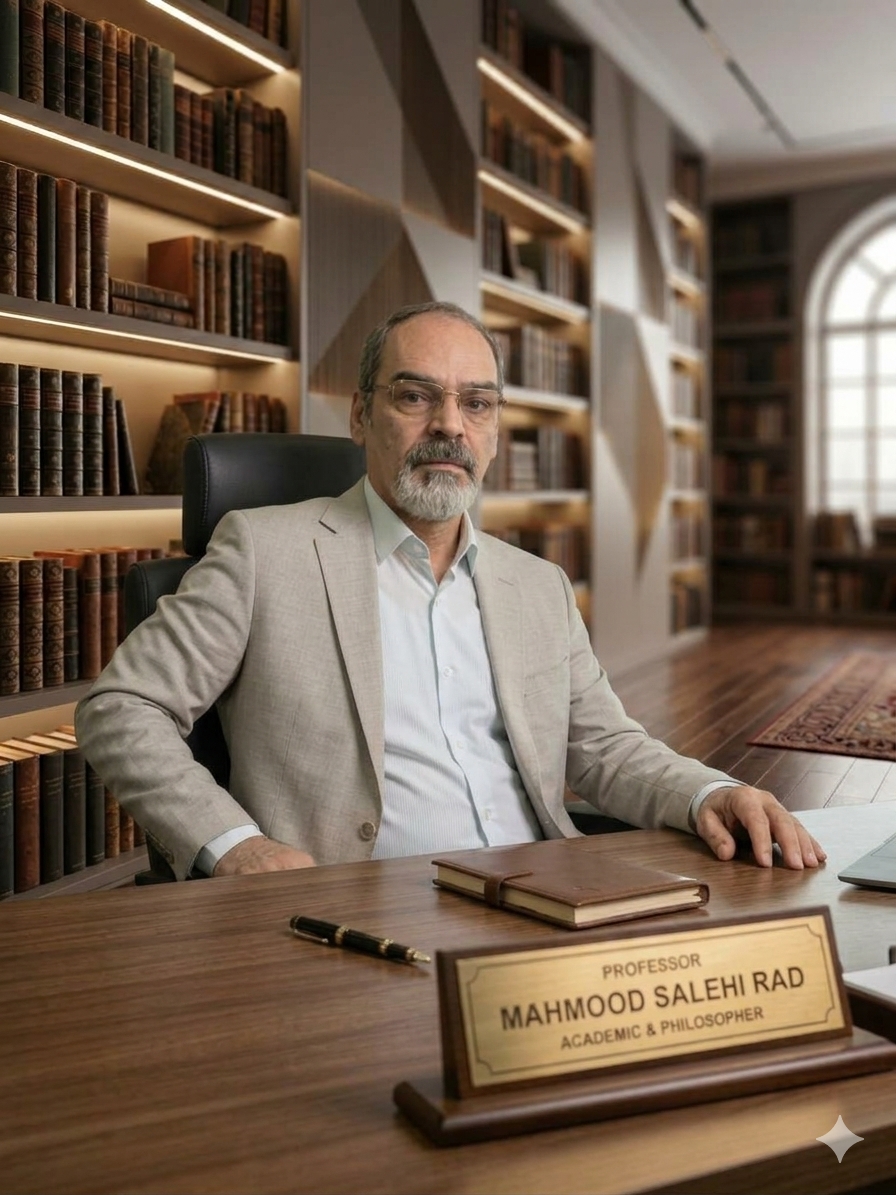
Interview: The Paradigm of Living Ontology
مصاحبه: پارادایم هستیشناسی زنده
Founder of the Global University of Living Ontology.
(بنیانگذار دانشگاه جهانی هستیشناسی زنده)
Q1: How can "Living Ontology" bridge the gap between "knowing" and "being" in contemporary humans?
سوال ۱: هستیشناسی زنده چگونه میتواند شکاف میان «دانستن» و «بودن» را در انسان معاصر پر کند؟
A1: In traditional philosophy, "knowing" is often a cognitive process detached from existence. However, Living Ontology posits that true knowledge is not merely information, but a state of being. It bridges this gap by integrating ontological principles into the very fabric of life, ensuring that what we know is lived, and what we live is an expression of truth.
پاسخ ۱: در فلسفه سنتی، «دانستن» اغلب یک فرآیند شناختی است که از هستی جداست. اما هستیشناسی زنده بر این اصل استوار است که دانش واقعی، صرفاً اطلاعات نیست، بلکه یک «حالتِ بودن» است. این رویکرد با ادغام اصول هستیشناختی در تار و پود زندگی، شکاف میان دانستن و بودن را پر میکند؛ به گونهای که آنچه میدانیم، زندگی کنیم و آنچه زندگی میکنیم، تجلیِ حقیقت باشد.
Q2: Why do you consider the "Sira" (Life-Pattern) of the Ahl al-Bayt as the most precise index for Living Ontology?
سوال ۲: چرا سیرهٔ اهلبیت (ع) را دقیقترین شاخص برای تعریف هستیشناسی زنده میدانید؟
A2: The Sira of the Ahl al-Bayt is not just a set of moral rules; it is the perfect embodiment of ontological perfection. It provides a living map where existence, consciousness, and action are in absolute harmony. By using their Sira as our index, we move from abstract theories to a realized existence that is both divine and humanly profound.
پاسخ ۲: سیرهٔ اهلبیت (ع) تنها مجموعهای از قواعد اخلاقی نیست، بلکه تجلی کاملِ کمالِ هستیشناختی است. سیره، نقشهراهی زنده است که در آن هستی، آگاهی و عمل در هارمونی مطلق قرار دارند. با اتخاذ سیرهٔ ایشان به عنوان شاخص، ما از نظریههای انتزاعی به سوی یک «وجودِ تحققیافته» حرکت میکنیم که هم الهی و هم در عین حال عمیقاً انسانی است.
Q3: How does your "Post-Psychology" approach differ fundamentally from classical psychology in addressing existential crises?
سوال ۳: رویکرد «پساروانشناسی» شما چه تفاوتهای بنیادینی با روانشناسی کلاسیک در مواجهه با بحرانهای وجودی دارد؟
A3: Classical psychology often treats the human as a biological machine or a collection of symptoms to be fixed. Post-Psychology, through the lens of Living Ontology, views the human as an ontological being in flux. We don't just look at "behavior"; we look at the "being" behind the behavior, seeking to heal the essence rather than just managing the symptoms.
پاسخ ۳: روانشناسی کلاسیک اغلب با انسان برخوردِ یک ماشین بیولوژیک یا مجموعهای از علائم برای درمان برخورد میکند. اما پساروانشناسی، از منظر هستیشناسی زنده، انسان را موجودی هستیشناختی و در جریان میبیند. ما صرفاً به «رفتار» نگاه نمیکنیم، بلکه به «هستیِ» پشتِ رفتار مینگریم تا به جای مدیریتِ صرفِ علائم، به دنبال شفای ذات و هستیِ انسان باشیم.
Q4: In your "Observer-Agent-Behavior" model, how can behavioral equilibrium be achieved?
سوال ۴: در مدل «ناظر-عامل-رفتار»، چگونه میتوان به تعادل رفتاری دست یافت؟
A4: Equilibrium is achieved when there is a perfect alignment between the Observer (consciousness), the Agent (the self), and the Behavior (the manifestation). When the Observer is enlightened by ontological truths, the Agent acts with purpose, and the resulting Behavior becomes a natural extension of a balanced existence.
پاسخ ۴: تعادل زمانی حاصل میشود که همسویی کاملی میان «ناظر» (آگاهی)، «عامل» (خود/فاعل) و «رفتار» (تجلی) برقرار باشد. هنگامی که ناظر با حقایق هستیشناختی روشن شود، عامل با هدفمندی عمل میکند و رفتارِ حاصل، به امتدادِ طبیعیِ یک هستیِ متعادل تبدیل میشود.
Q5: What is the significance of the P.P.D.V Protocol in safeguarding human existence?
سوال ۵: پروتکل P.P.D.V (پاسداری از دروازههای وجود) چه اهمیت و نقشی در صیانت از هستی انسان دارد؟
A5: The P.P.D.V Protocol is designed to protect the "ontological boundaries" of a human being. In an era of psychological erosion and identity fragmentation, this protocol serves as a spiritual and mental shield, guarding the essential gates of existence against external distortions.
پاسخ ۵: پروتکل P.P.D.V برای محافظت از «مرزهای هستیشناختی» انسان طراحی شده است. در عصری که انسان با فرسایش روانی و گسیختگی هویت مواجه است، این پروتکل به عنوان یک سپر معنوی و ذهنی عمل میکند تا از دروازههای اصلیِ وجود در برابر تحریفهای بیرونی پاسداری کند.
Q6: How can the principles of Living Ontology be transferred from the realm of philosophy to urban management and governance?
سوال ۶: چگونه میتوان اصول هستیشناسی زنده را از قلمرو فلسفه به قلمرو مدیریت شهری و حکمرانی انتقال داد؟
A6: Governance is not merely about managing resources; it is about managing the "living environment" of human beings. By applying Living Ontology to urbanism, we move toward "Human-Centered Governance." This means creating cities that do not just provide shelter, but support the ontological flourishing and mental well-being of their citizens.
پاسخ ۶: حکمرانی صرفاً مدیریت منابع نیست، بلکه مدیریت «زیستبومِ» انسانی است. با پیادهسازی هستیشناسی زنده در شهرسازی، ما به سمت «حکمرانی انسانمحور» حرکت میکنیم. این یعنی ساختن شهرهایی که فراتر از تأمین سرپناه، از شکوفایی هستیشناختی و سلامت روان شهروندان پشتیبانی میکنند.
Q7: What is your vision for the "Living Ontology Global University" in shaping new scientific paradigms?
سوال ۷: چشمانداز شما برای «دانشگاه جهانی هستیشناسی زنده» در شکلگیری پارادایمهای جدید علمی چیست؟
A7: My vision is to establish a global intellectual hub where science and spirituality are not seen as opposites, but as two sides of the same coin. This university will be a cradle for a new generation of researchers who approach science with ontological depth, aiming to integrate metaphysical truths with empirical discovery.
پاسخ ۷: چشمانداز من ایجاد یک قطب فکری جهانی است که در آن علم و معنویت نه به عنوان دو قطب مخالف، بلکه به عنوان دو روی یک سکه دیده شوند. این دانشگاه کانون پرورش نسل جدیدی از پژوهشگران خواهد بود که با عمق هستیشناختی به علم مینگرند و هدفشان ادغام حقایق متافیزیکی با اکتشافات تجربی است.
Q8: How do your scientific models align with the teachings of the Ahl al-Bayt to create social order?
سوال ۸: مدلهای علمی شما چگونه با آموزههای اهلبیت (ع) در جهت ایجاد نظم اجتماعی همسو میشوند؟
A8: Social order is a reflection of individual ontological stability. The teachings of the Ahl al-Bayt provide the ultimate ethical and existential blueprint. My models aim to provide the scientific language to describe and implement these sacred patterns in modern social structures, creating a harmony between divine law and social science.
پاسخ ۸: نظم اجتماعی، بازتابی از ثبات هستیشناختیِ افراد است. آموزههای اهلبیت (ع) غاییترین الگوی اخلاقی و وجودی را ارائه میدهند. مدلهای من تلاش میکنند زبان علمی لازم برای توصیف و اجرای این الگوهای مقدس را در ساختارهای اجتماعی مدرن فراهم کنند تا هماهنگی میان قوانین الهی و علوم اجتماعی برقرار شود.
Q9: In the digital age, how can Living Ontology help humans return from "instrumental existence" to "authentic existence"?
سوال ۹: در عصر دیجیتال، هستیشناسی زنده چگونه میتواند به انسان کمک کند تا از «موجودیت ابزاری» به «موجودیت اصیل» بازگردد؟
A9: Digitalization often reduces humans to "data points" or "tools" for consumption—this is instrumental existence. Living Ontology calls for a return to "Authentic Existence" by prioritizing consciousness and presence over mere connectivity. It teaches us to reclaim our agency and prevent our essence from being digitized and fragmented.
پاسخ ۹: دیجیتالیشدن اغلب انسان را به «نقاط دادهای» یا «ابزارهایی» برای مصرف تبدیل میکند؛ این همان «موجودیت ابزاری» است. هستیشناسی زنده با اولویت دادن به آگاهی و حضور (در برابر اتصال صرف دیجیتال)، بازگشت به «موجودیت اصیل» را فرا میخواند. این رویکرد به ما میآموزد که عاملیت خود را بازپس گیریم و از تجزیه و دیجیتالی شدنِ ذات خود جلوگیری کنیم.
Q10: What kind of transformation in the history of thought do you aim to achieve through the "Salehi-Rad Nameh"?
سوال ۱۰: هدف نهایی شما از تدوین «صالحیرادنامه» و پروژههای فکریتان، تحقق کدام نوع از تحول در تاریخ اندیشه است؟
A10: The "Salehi-Rad Nameh" is an attempt to document a new synthesis of wisdom. My goal is to trigger a "Paradigm Shift"—moving from a fragmented, materialistic worldview to an integrated, living worldview. I aim to contribute to a history of thought where human existence is finally understood in its full, sacred, and ontological totality.
پاسخ ۱۰: «صالحیرادنامه» تلاشی است برای مستندسازی یک سنتزِ نوین از خرد. هدف من ایجاد یک «تغییر پارادایم» است؛ عبور از جهانبینی تکهتکه و مادیگرایانه به سوی یک جهانبینی یکپارچه و زنده. من در پی آن هستم که در تاریخ اندیشه، نقشی ایفا کنم که در آن، هستیِ انسان سرانجام در تمامیتِ مقدس و هستیشناختیِ خود درک شود.
انشاالله
محمود صالحی راد پژوهشگر مستقل

