Author: Ali Masoumi, Master's Student in Accounting, Faculty of Financial Sciences, Kharazmi University

Introduction
The Islamic Republic of Iran, a country with an ancient history and rich culture, is located in the Middle East. With an area of approximately 1.65 million square kilometers, it is the second largest country in the Middle East and the ninth largest in the world by area. Iran is known for its diverse geography, ranging from towering mountains and vast plains to sea coasts and extensive deserts, making it a country with abundant natural resources. The official language of Iran is Persian, and its population is around 90 million.
Iran holds significant importance in the region due to its strategic geographic location, rich culture, and long history. The country boasts a unique cultural heritage, including historical sites, distinctive architecture, and diverse cultural traditions. Iran is also recognized for its scientific and research advancements across various fields.
The Importance of Education in Iran
Education in the Islamic Republic of Iran holds a special place and is considered one of the main pillars of the country’s social and economic development. The Iranian educational system is systematically and orderly designed, from primary through to higher education, with the aim of enhancing the academic and professional skills of students.
Higher education in Iran is recognized as a major priority for both the government and society. Universities and educational institutions in the country work towards advancing science and technology, offering high-quality educational programs, and promoting scientific research. These institutions provide students with diverse opportunities for research, learning, and progress in various academic and technical fields.
Furthermore, the Islamic Republic of Iran, due to its cultural diversity and prestigious universities, offers a conducive environment for attracting international students. The availability of scholarships and financial support for students, as well as the opportunity to interact with prominent researchers and scholars, are additional factors that make studying in Iran appealing. These features have made Iran an attractive and significant option for both domestic and international students.
Review of Reputable Universities and Educational Institutions
The Islamic Republic of Iran has an extensive network of reputable universities and educational institutions that offer higher education across various scientific and technical fields. Some of the prominent universities in the country include the University of Tehran, Sharif University of Technology, Tehran University of Medical Sciences, University of Tabriz, and Shiraz University. These universities are renowned for their high academic and research standards and hold significant prestige both nationally and internationally. Many of these institutions contribute to enhancing the quality of education and research through international collaborations and academic exchanges with esteemed universities around the world.
Introduction to Diverse Fields of Study and Educational Programs
Iran is known for offering a wide range of academic programs in various scientific, engineering, and artistic disciplines. Iranian universities offer programs in fields such as engineering, medicine, humanities, basic sciences, arts, and management. This diversity in academic programs allows students to pursue their interests and achieve expertise in different specializations.
Additionally, many Iranian universities offer postgraduate programs, including master's and doctoral degrees, allowing students to specialize in specific scientific and research areas. These programs usually include practical and research components, providing students with the opportunity to enhance their skills in real-world applications.
Quality of Education and International Recognition of Degrees
The quality of education in Iranian universities is generally considered high, with many educational programs designed to meet international standards. Reputable Iranian universities continuously implement improvements in curriculum content and teaching methods to keep students updated with the latest scientific and technological advancements.
Degrees issued by Iranian universities are internationally recognized and are endorsed by many global universities and organizations. This enables Iranian graduates to engage in professional and research activities on a global scale. Additionally, Iranian universities have maintained strong positions in global and regional rankings, reflecting their high level of educational quality and credibility.
Research Facilities and Resources at Universities
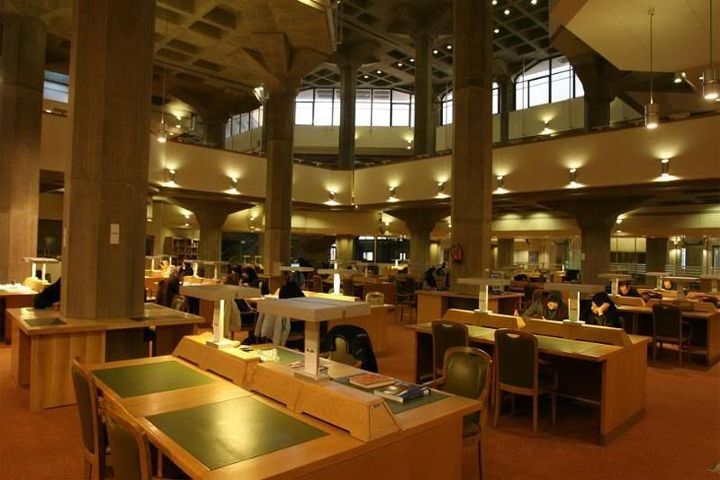
Universities in the Islamic Republic of Iran, focusing on research and development, provide advanced research facilities and resources for students and researchers. These facilities include specialized laboratories, research centers, and libraries equipped with scientific and research resources, enabling the execution of research projects across various scientific fields.
Many prestigious Iranian universities, especially in engineering, basic sciences, and medicine, have advanced laboratories and equipment that allow researchers to conduct high-quality scientific and applied research. Moreover, many universities have recently undergone extensive updates in information technology and data management, which aid in facilitating and accelerating research processes.
Opportunities for International Collaboration and Research Projects
Iranian universities actively participate in international research projects and collaborate with reputable global universities and research institutions. These collaborations include academic exchanges, joint research projects, and multinational research programs that contribute to enhancing research quality and international knowledge exchange.
Student and faculty exchange programs, international conferences, and joint research projects are among the international collaboration opportunities that allow Iranian universities to interact globally with other researchers and scientists. These interactions not only advance the scientific and research levels in Iran but also enable students and researchers to familiarize themselves with the latest scientific and technological achievements and benefit from international experiences.
Additionally, many Iranian universities are striving to attract foreign research projects and establish joint research centers with international institutions to foster development and innovation in various scientific fields. These activities not only contribute to scientific growth and progress in the country but also enhance the international reputation of Iranian universities and research institutions.
Cultural and Social Diversity in Academic Environments
Iranian universities offer a dynamic and rich environment for students due to their cultural and social diversity. This diversity arises from the presence of students from various ethnicities and races as well as cultural exchanges with international students. This feature transforms academic environments into places for exchanging ideas, cultures, and experiences, ultimately aiding in students' personal and academic growth.
Iranian academic environments are designed to promote respect for cultural and religious diversity and provide suitable conditions for all students. This includes organizing cultural festivals, cultural exchange programs, and educational activities that allow students to become acquainted with other cultures and traditions and engage in experience exchange.
Welfare Facilities and Extracurricular Activities
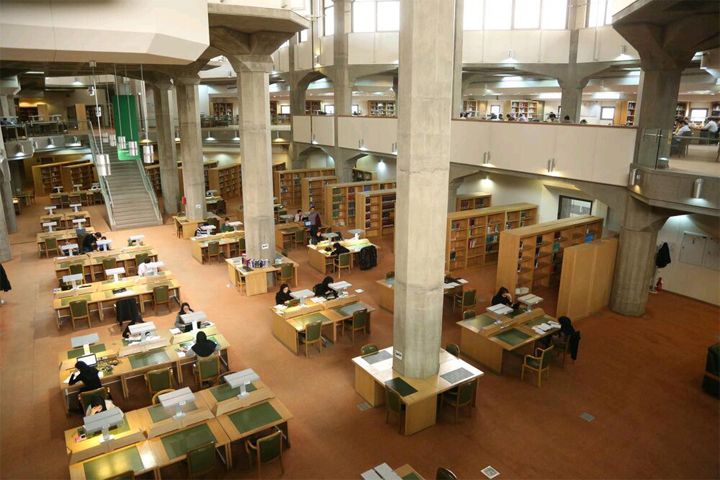
Iranian universities offer extensive welfare facilities for students and strive to provide a comfortable and suitable environment for studying and living. These facilities include student dormitories, equipped dining halls, and sports centers, which help enhance students' quality of life. Student dormitories are usually provided with modern facilities and appropriate support services to meet students' daily needs.
In addition to welfare facilities, universities place special emphasis on extracurricular activities. These activities include student associations, artistic groups, sports teams, and cultural, social, and academic programs that allow students to pursue their personal interests alongside their studies. These activities not only help in the development of individual and social skills but also lead to the creation of valuable connections and social networks.
Overall, Iran's academic environments, considering cultural and social diversity and providing welfare facilities and extracurricular activities, offer numerous opportunities for scientific and personal growth and contribute to a rich and comprehensive educational experience.
Services and Facilities for International Students
Iranian universities pay special attention to supporting and providing special services for international students. These services include academic counseling, administrative assistance, and welfare services that facilitate studying and living in Iran.
One of the most important services provided to international students is academic and administrative counseling. This includes guidance on course selection, familiarization with the educational system, and assistance with visa and residency matters. Additionally, universities offer services to solve students' everyday problems, such as finding housing and understanding local culture and laws.
Moreover, Iranian universities organize special cultural and social programs to facilitate the integration of international students into academic and social environments. These programs enable students to become acquainted with Iranian culture, connect with other international and Iranian students, and have a positive experience of living in Iran.
Student Exchange Programs and Scholarship Opportunities
As part of their efforts to enhance the internationalization of higher education, Iranian universities offer various student exchange programs and scholarships. These programs provide international students with the opportunity to study at Iranian universities and gain experience from new educational and cultural environments.
Student exchange programs, usually implemented through international agreements with universities in other countries, allow students to spend one or more semesters at Iranian universities and benefit from their educational and research facilities. These programs help strengthen scientific and cultural relations between universities and countries.
Additionally, diverse scholarships are available for international students, including financial support for tuition, housing, and living expenses. These scholarships aim to support foreign students and facilitate their studies in Iran, helping to reduce the financial burden on students.
Overall, support for international students in Iranian universities enhances the educational and living experience in the country and provides numerous opportunities for study and research.
Tuition and Living Costs
Studying in the Islamic Republic of Iran is generally more affordable compared to many other countries. Tuition fees at Iranian universities, particularly at the undergraduate and master's levels, are usually lower than at many international universities. This is due to government support policies and efforts to enhance access to higher education. Tuition costs can vary depending on the type of university, field of study, and level of education; however, these costs are generally very competitive and affordable for international students.
On the other hand, living costs in Iran are also lower compared to many Western countries. Costs related to housing, food, and transportation for international students are relatively reasonable and manageable. Universities typically offer various options for student dormitories, which helps reduce living expenses and provides suitable accommodation.
Scholarships and Financial Aid
To attract international students and support their studies, Iranian universities offer various scholarships and financial aids. These scholarships usually include financial support for tuition fees, housing, and other living expenses. Scholarships can be full or partial and allow students to focus on their studies and research without financial worries.
Scholarships are typically awarded to students with outstanding academic and research performance or those in specific fields needing financial support. These scholarships may be offered directly by universities or through government and non-governmental organizations.
In addition to scholarships, universities and educational institutions may also offer grants to support research projects and scientific activities of international students. These grants can help improve research quality and facilitate the research process.
Overall, due to supportive policies and various financial options for students, tuition and living costs in the Islamic Republic of Iran are competitive and reasonable, providing international students with good opportunities for affordable education.
Admission Process at Universities
The admission process at universities in the Islamic Republic of Iran for international students typically involves several main steps as follows:
Pre-registration and Document Review: Applicants must initially pre-register through the university's website or the relevant admissions center. In this stage, they must upload required documents and enter their personal and educational information.
Submission of Documents and Official Application: After pre-registration, students must submit their official application either online or in print. This application includes specific admission forms and other necessary documents.
Document Review and Evaluation: Universities review and evaluate the submitted documents. This evaluation usually includes reviewing academic records, entrance exam scores (if applicable), and language proficiency documents in English or Persian.
Interviews and Entrance Exams: Some universities may conduct in-person or online interviews and entrance exams to assess students' academic abilities and language skills. This step depends on the chosen field of study and university.
Decision and Notification of Results: After final evaluation, universities make decisions and notify applicants of the admission results. Results may be formally sent via email or postal service.
Registration and Visa Issuance: After receiving admission, students must complete final registration steps and apply for a student visa. This stage includes filling out registration forms, paying tuition fees, and preparing necessary documents for the visa.
Requirements and Necessary Documents
For admission to universities in the Islamic Republic of Iran, international students generally need to provide the following documents and materials:
Documents of Previous Education: Includes diplomas and transcripts from previous educational levels, with official translation into Persian or English, which must be authenticated by the relevant educational authorities.
Language Proficiency: For programs in Persian, a Persian language certificate is required. For English language programs, an English proficiency certificate such as TOEFL or IELTS is usually mandatory.
Application Form: Special admission forms that must be accurately completed.
Identity Documents: Includes a valid passport, birth certificate, and personal photos.
Academic Recommendation Letters: Typically includes two or three letters from professors or academic advisors confirming the applicant's academic and personal capabilities.
Statement of Purpose: A report that includes educational goals and reasons for choosing the specific program and university.
Other Required Documents: Depending on the field of study and university, additional documents may be required as specified on the university website or admissions office.
Conclusion
Studying in the Islamic Republic of Iran presents an attractive option for both domestic and international students due to its numerous attractions and benefits. The country’s esteemed universities offer diverse and high-quality educational programs, advanced research facilities, and dynamic academic environments that provide excellent conditions for study and research.
One of the main advantages of studying in Iran is the lower cost of education and living compared to many other countries. This allows students to pursue knowledge and experience at a reasonable cost. Additionally, the available scholarships and financial aid help international students focus on their studies without the burden of financial concerns.
Iran’s cultural and social diversity offers a rich and educational environment for students. This diversity provides students with opportunities to become acquainted with various cultures and traditions while engaging in new cultural and social experiences alongside their studies.
Finally, the research facilities and international collaboration opportunities offered by Iranian universities enhance the quality of research and global scientific interactions, enabling students to participate in international scientific and research activities.
Recommendations for Future Students
For students intending to study in the Islamic Republic of Iran, the following recommendations may be helpful:
Research and Choose Wisely: Before applying, thoroughly research and review various universities and academic programs to select the best option based on your needs and interests.
Familiarize Yourself with the Admission Process: Carefully review the admission procedures, required documents, and important dates to ensure a smooth application process.
Explore University Facilities and Services: Be aware of the available welfare, cultural, and research facilities at universities and take advantage of services that will assist you in your studies and daily life.
Prepare for Life in a New Country: Familiarize yourself with local culture and laws to prepare for living in Iran. This includes learning Persian (if necessary) and getting to know local traditions and customs.
Utilize Scholarship and Financial Aid Opportunities: If possible, take advantage of scholarships and financial aid to reduce your study and living costs.
By following these recommendations and making use of the available opportunities, students can gain a successful and rewarding experience studying in the Islamic Republic of Iran and continue their academic and personal growth.